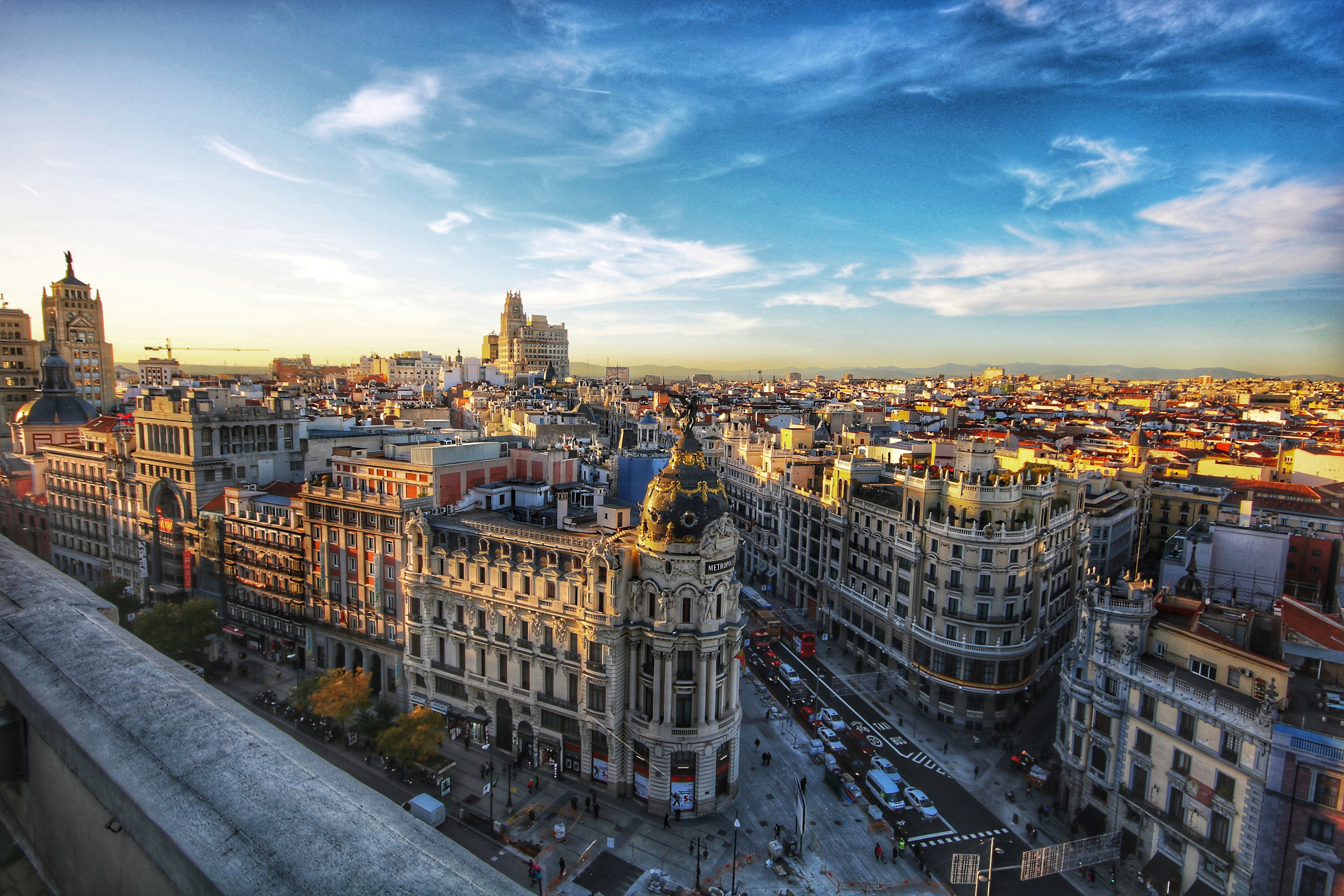
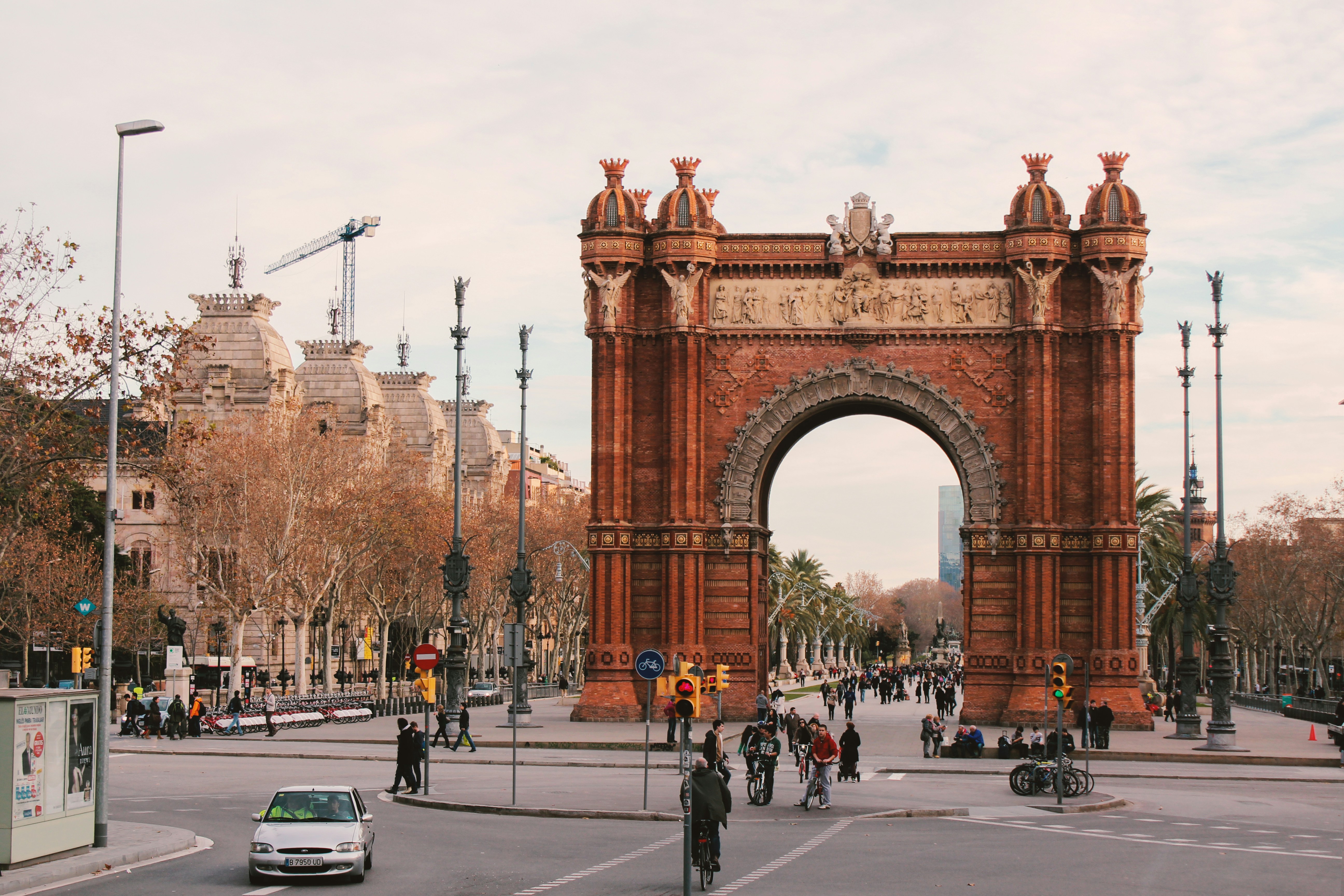
Barcelona isn’t a city you can rush. With four days, you have just enough time to experience the essential Gaudi architecture, lose yourself in medieval alleyways, eat your way through local markets, and still find moments to simply sit in a sunny plaza with a glass of vermouth. This 4 days in Barcelona itinerary is designed for travelers who want more than a checklist of landmarks. You’ll experience the rhythm of Catalan life, discover neighborhoods beyond the tourist center, and move through the city with intention rather than confusion.
The difference between a good Barcelona trip and a great one comes down to timing, neighborhood selection, and knowing when to slow down. This itinerary builds in breathing room while ensuring you see the masterpieces that make Barcelona unforgettable. You’ll start in the Gothic Quarter, move through modernist Eixample, explore the hills of Montjuic, and finish with contemporary art and beachside relaxation. Each day flows naturally into the next, minimizing backtracking and maximizing your experience.
4 Days in Barcelona at a Glance
- Day 1 — Gothic Quarter and El Born: medieval streets, Santa Maria del Mar and an evening near the waterfront.
- Day 2 — Eixample and Gràcia: Sagrada Família, Passeig de Gràcia and Gaudí architecture, grouped to limit backtracking.
- Day 3 — Montjuïc and Barceloneta: hilltop museums and viewpoints followed by the beach and waterfront.
- Day 4 — Raval, La Boqueria and final explorations: contemporary culture, markets and flexible time for anything missed.
Where to Stay for This Barcelona Itinerary
Eixample is the easiest all-around base for first-time visitors because it sits between the old city, Gaudí sights and several metro lines. El Born works well for travelers who prioritize atmosphere, restaurants and walkability, while Gràcia offers a quieter neighborhood feel with convenient metro access. Avoid choosing a hotel based only on distance from La Rambla; proximity to a useful metro station is usually more valuable.
Barcelona Transit, Timed Tickets and Typical Costs
Allow roughly 10–20 minutes to walk between sights within the Gothic Quarter and El Born, 15–25 minutes between Sagrada Família and central Passeig de Gràcia by metro or taxi, and about 25–35 minutes between Montjuïc and Barceloneta. Build additional time around major attractions instead of scheduling entries back to back.
For 2026 planning, buy Sagrada Família tickets through the official ticket site before your trip. Park Güell regulates access to its paid area, so reserve through the official Park Güell site. Transit products and prices can change, so compare current options on the official TMB fare page. A practical planning range is €15–€35 for many major paid attractions and €15–€25 for a casual meal, with premium experiences costing more. Check live prices before booking.
Want the route, booking sequence and daily details organized for you? Use the downloadable Barcelona itinerary or request custom travel planning.
Is 4 Days Enough in Barcelona?
Yes. Four days gives first-time visitors enough time for the major Gaudí sights, the Gothic Quarter, Montjuïc and the waterfront without rushing. This itinerary groups each day by neighborhood to reduce backtracking.
Why This 4 Day Barcelona Itinerary Works
Most Barcelona itineraries make the same mistakes. They cram Sagrada Familia, Park Guell, and Gothic Quarter into a single exhausting day. They send you zigzagging across the city with no regard for geography or energy levels. They ignore the reality of Spanish mealtimes, leaving you hungry at 7pm when restaurants are still setting tables.
This Barcelona 4 day itinerary first timers plan respects how the city actually functions. It groups attractions by neighborhood to minimize transit time. It accounts for siesta hours when shops close and museums get crowded. It builds in market visits during peak freshness and beach time when you genuinely need a break from sightseeing.
The pacing matters as much as the destinations. Day one eases you into Barcelona’s medieval core without overwhelming you. Day two tackles the big Gaudi sites when you have fresh legs and patience for crowds. Day three takes you to Montjuic’s elevated perspectives and ends at the beach. Day four wraps up with contemporary culture and departure logistics that don’t leave you scrambling.
Geographic logic drives every decision. You won’t waste an hour on the metro to see one building, then reverse course for lunch. Instead, you’ll move through connected neighborhoods, discovering how Barcelona’s districts each have distinct personalities. The Gothic Quarter feels ancient and intimate. Eixample showcases modernist ambition. Gracia pulses with local energy. Understanding these differences transforms how you experience the city.
Day 1: Gothic Quarter, El Born, and Medieval Barcelona
Your first day in Barcelona should feel like stepping back in time, and the Gothic Quarter delivers exactly that experience. Start with breakfast at Billy Brunch Headquarters, where the shakshuka with poached eggs and feta will fuel you for hours of walking. The garden terrace offers a calm introduction before you dive into the labyrinth of medieval streets.
The Barri Gotic is best explored without a map. Wander the narrow alleys, discover hidden plazas, and notice the Roman walls near Plaça Nova. The Cathedral of Barcelona deserves a full visit. Climb to the rooftop for panoramic views across the old city, then descend to the cloister where resident geese have lived for centuries. The juxtaposition of Gothic grandeur and quirky local traditions sets the tone for understanding Barcelona.
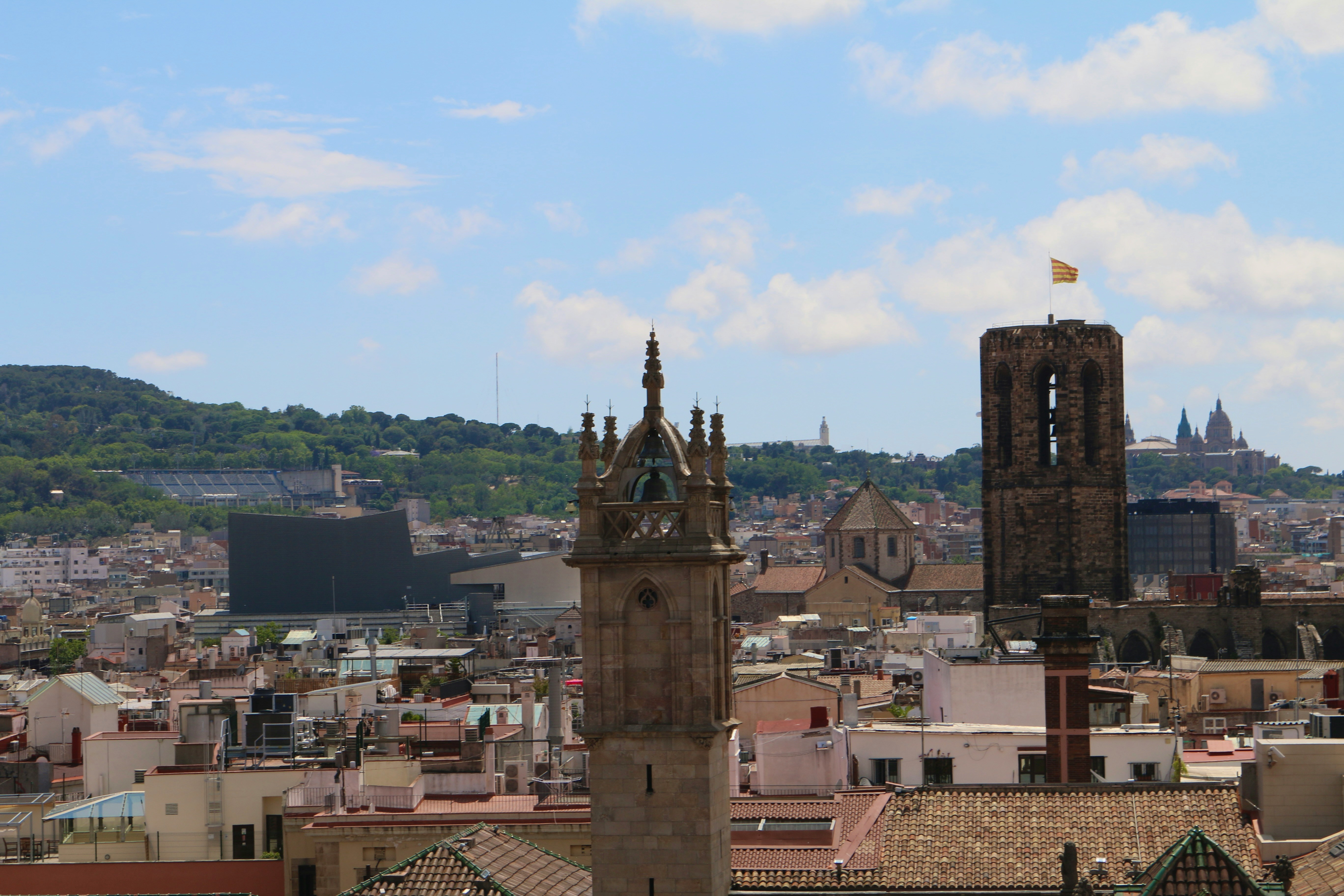
Mid-morning, shift to El Born, the neighborhood just east of the Gothic Quarter. This area balances historical weight with contemporary creativity. Browse artisan shops along Carrer de l’Argenteria, where local designers sell leather goods, ceramics, and jewelry you won’t find elsewhere. Stop at Basílica de Santa Maria del Mar, a masterpiece of Catalan Gothic architecture with soaring columns and peaceful ambience.
For lunch, head to El Xampanyet, a beloved tapas bar with blue-tiled walls and house-made cava. Order anchovy-stuffed olives, jamón ibérico, and tortilla española. The place buzzes with locals at lunch, so arrive just before 1pm to snag a table. Afterward, walk to Gocce di Latte for pistachio gelato that rivals anything in Italy.
The afternoon belongs to the Picasso Museum, housed in five medieval palaces with Romanesque courtyards. Book timed entry in advance to skip lines. The collection traces Picasso’s early years and his deep connection to Barcelona, culminating in the Las Meninas series. Even if you’re not an art enthusiast, the building itself rewards exploration.
Evening brings you to Can Fisher for seafood with sunset views. Book a table by the water and start with grilled octopus before sharing a classic seafood paella. Pair it with Catalan white wine and finish with crema catalana. If you have energy left, Paradiso offers world-class cocktails behind a secret fridge door in a pastrami shop. The Great Gatsby cocktail lives up to the speakeasy’s reputation, but arrive early or reserve ahead.
Day 2: Sagrada Familia, Passeig de Gracia, and Gaudi’s Barcelona
Day two tackles what to do in Barcelona in 4 days when Gaudi architecture tops your list. Begin with breakfast at Satan’s Coffee Corner, where matcha pancakes and locally roasted coffee prepare you for Barcelona’s most iconic site. The Gothic Quarter location offers prime people-watching from window seats.
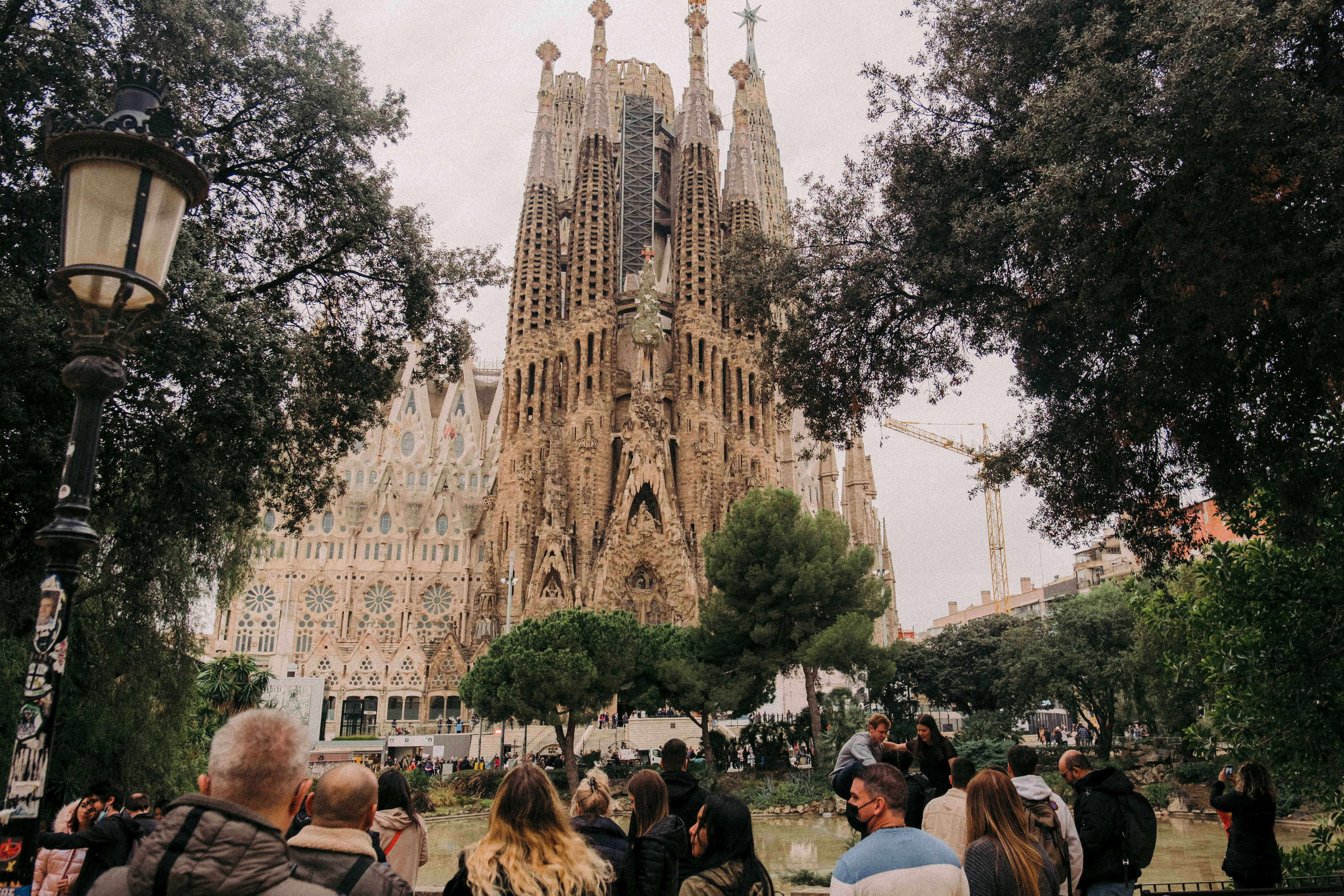
Sagrada Familia requires advance planning. Book the first entry slot online at least two weeks ahead, and add tower access if you want unforgettable city views. Arriving when doors open means softer light through the stained glass and manageable crowds. The Nativity and Passion façades tell biblical stories through Gaudi’s organic sculptural language, while the interior resembles a forest canopy with branching columns reaching skyward. The audioguide explains symbolism and construction techniques that continue today, more than a century after Gaudi’s death.
From Sagrada Familia, walk or take a short metro ride to Passeig de Gracia, Barcelona’s grand boulevard of modernist architecture. Gaudi’s fingerprints are everywhere: mosaic benches, ironwork lamp posts, and designer shop windows. Casa Batllo demands a tour. The dragon-back rooftop, whimsical interiors, and colorful façade showcase Gaudi at his most imaginative. Continue to La Pedrera (Casa Mila), where surreal rooftop chimneys and undulating stone façades blur the line between building and sculpture.
Lunch at El Nacional gives you options. This restored belle époque space houses multiple dining areas, each with distinct specialties. Choose tapas at La Taperia, seafood at La Llotja, or steak at La Braseria. Order Galician-style octopus, Iberian ham croquettes, and Catalan tomato bread. Tour the hall before deciding, as each corner has different décor and energy.
Afternoon takes you to Gracia, a neighborhood that feels like a village within the city. Wander Plaça de la Virreina, where locals gather at outdoor terraces. Indie shops sell vintage clothing, handmade jewelry, and organic goods. Casa Vicens Gaudi, the architect’s first major house, features vibrant tiles and a lush garden that preview his later masterpieces.
Dinner at La Pepita brings playful energy and outstanding small plates. Order the signature Pepita veal and pesto sandwich, tuna tartare, and croquetas in a space covered with hand-drawn doodles. They don’t take reservations, so arrive early or enjoy a drink at the bar while waiting. For a nightcap, Dr. Stravinsky serves award-winning cocktails in an apothecary-themed setting. Let the bartender create something bespoke with local vermouth.
Day 3: Montjuic, Museums, and Barceloneta Beach
Day three shifts perspectives, literally. Start with breakfast at Faire Brunch & Drinks, where avocado toast with poached eggs or vegan pancakes fuel your climb up Montjuic. The leafy patio and specialty coffee made from locally roasted beans set a relaxed tone.
Metro to Plaça d’Espanya to see the Venetian towers and Magic Fountain before taking the funicular up Montjuic hill. This elevated area offers some of Barcelona’s best views and most underrated attractions. Montjuic Castle sits atop the hill with historic ramparts overlooking the harbor and city. The gardens are especially peaceful before noon, when most tourists are still in lower neighborhoods.
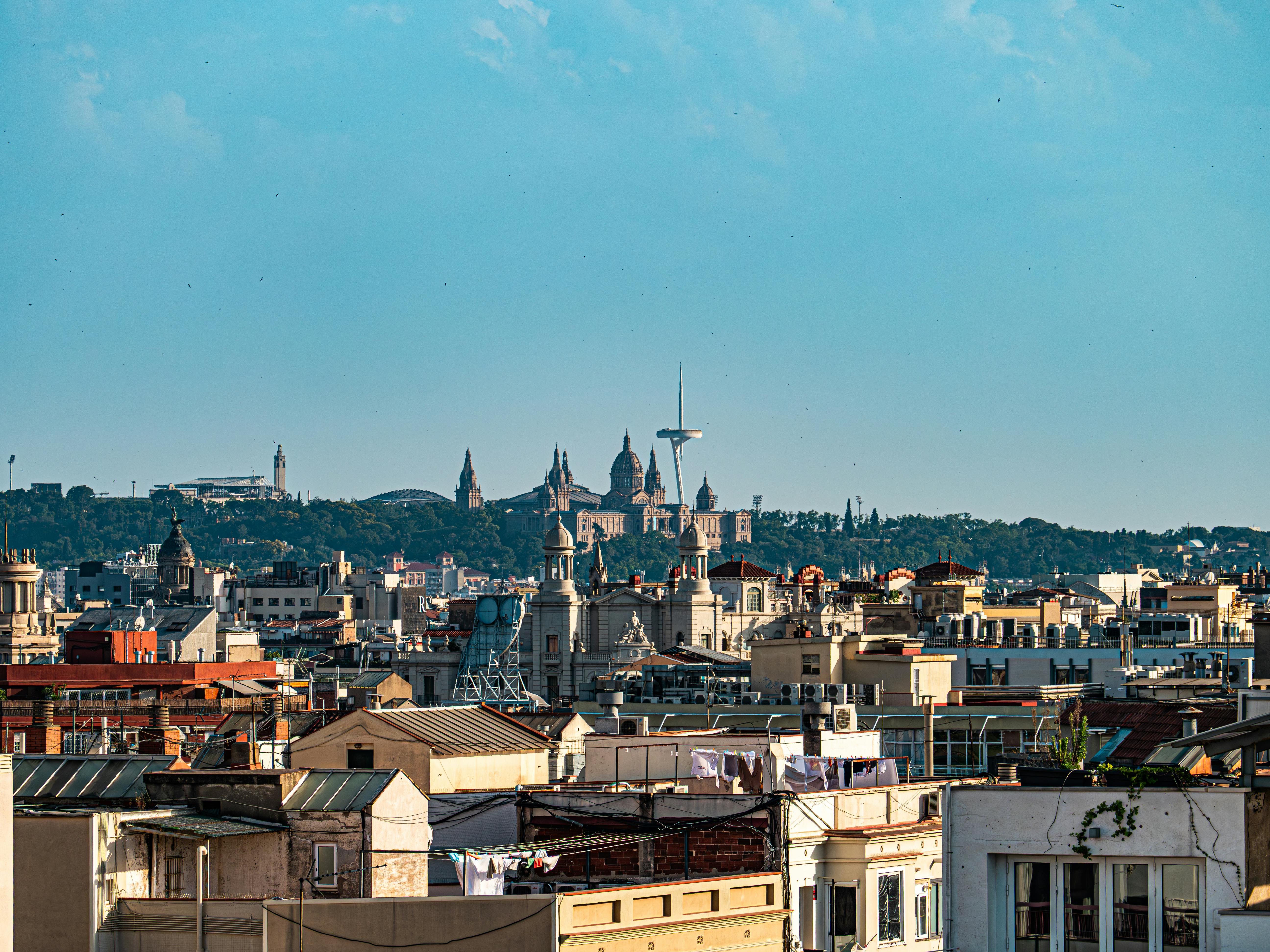
Museu Nacional d’Art de Catalunya (MNAC) houses an extraordinary collection of Romanesque frescoes, Modernist works, and Catalan masters. The front steps offer sweeping vistas, and the rooftop terrace (open in good weather) provides hidden photo opportunities. Even if museums aren’t your priority, the building and setting justify a visit.
Lunch at Martínez requires a reservation for terrace seating with combined city and sea views. Share lobster paella, grilled clams, and tomato salad. The lemon sorbet with cava cleanses your palate. Afterward, ride the Telefèric de Montjuic cable car for bird’s-eye perspectives over the port and cityscape.
Late afternoon, descend to Barceloneta Beach. Walk the palm-lined promenade, dip your toes in the Mediterranean, or simply people-watch from the sand. Stop at Eyescream and Friends for gelato with customizable monster toppings. This transition from cultural immersion to beach relaxation reflects Barcelona’s dual identity as both European cultural capital and Mediterranean resort.
Dinner at Can Solé serves classic Catalan seafood in a historic, maritime-inspired interior. Try fideuà (noodle paella), grilled catch of the day, and steamed mussels. The house sangria provides a refreshing finish. If you time it right, return to Plaça d’Espanya for the Magic Fountain show, where choreographed lights and music create an after-dark spectacle.
Day 4: Contemporary Art, La Boqueria, and Final Explorations
Your final day balances contemporary culture with final neighborhood discoveries. Breakfast at Ugot Bruncherie offers shakshuka or eggs Benedict in a vintage setting. Arrive early for a relaxed meal, as weekends bring crowds.
The Moco Museum Barcelona showcases bold modern and street art from Banksy, Warhol, and contemporary artists. Immersive digital installations provide Instagram moments, but the collection has substance beyond social media appeal. Nearby, the Barcelona Museum of Contemporary Art (MACBA) contrasts with its stark white architecture and challenging exhibitions. The plaza outside attracts skateboarders and locals, offering free entertainment and people-watching.
No Barcelona long weekend itinerary is complete without La Boqueria Market. While touristy, it remains a sensory experience worth having. Try fresh-squeezed fruit juice, jamón ibérico, or manchego cheese cones while wandering colorful stalls. The energy and abundance define Barcelona’s food culture.
Walk La Rambla afterward, taking in Joan Miró’s mosaic, street performers, and flower vendors. Pop into Palau Güell, one of Gaudi’s early masterpieces that receives far fewer visitors than his later works. The rooftop chimneys preview the surreal sculptures atop La Pedrera.
Lunch at Casa Lolea brings vibrant, polka-dot décor and excellent tapas. Feast on patatas bravas, grilled artichokes, and house-made sangría. Try a sangría flight to sample different regional recipes. Spend your final afternoon in Ciutadella Park, relaxing by the fountain or rowing a boat on the pond. This green space offers a peaceful conclusion before departure logistics take over.
For an early dinner before heading to Josep Tarradellas Barcelona-El Prat Airport, 7 Portes serves traditional Catalan cuisine in a historic interior with black-and-white celebrity photos. Order arroz caldoso (brothy rice), Catalan cannelloni, or roasted lamb. End with crema catalana for a final taste of Barcelona.
Who This Barcelona 4 Day Itinerary Is For
This itinerary works best for first-time visitors who want depth over breadth. If you prefer seeing one neighborhood thoroughly rather than checking off every landmark, this approach will resonate. The pacing suits couples, solo travelers, and small groups who value experience over exhausting marathon days.
The best way to spend 4 days in Barcelona depends on your priorities, and this itinerary assumes you care about food, architecture, and authentic neighborhood exploration. It’s not designed for families with young children who need different pacing, nor for party-focused travelers seeking primarily nightlife. Instead, it targets culturally curious adults who want to understand Barcelona beyond its postcard image.
This plan also assumes moderate fitness levels. You’ll walk several miles daily through hilly neighborhoods and climb cathedral towers. The Barcelona metro system connects everything efficiently, but comfortable shoes matter more than any other piece of gear. If mobility is limited, the itinerary can be adapted with more taxi use and fewer walking-intensive neighborhoods.
Budget-wise, this itinerary sits in the mid-range category. You’ll eat at quality local restaurants rather than Michelin-starred temples or tourist traps. Accommodations in neighborhoods like Eixample or Gracia provide authentic settings without luxury price tags. Museum entries, transit cards, and meals total to reasonable daily costs for a major European city.
Common Traveler Mistakes in Barcelona (And How to Avoid Them)
The biggest mistake first-timers make is underestimating how Spanish mealtimes affect their day. Restaurants don’t serve dinner until 8:30pm or later. Shops close for siesta from 2pm to 5pm. Arriving at Sagrada Familia without advance tickets means either missing it entirely or wasting hours in line.
Another common error is geographic inefficiency. Bouncing between Park Guell, Sagrada Familia, Gothic Quarter, and Montjuic in one day wastes half your time on the metro and leaves you exhausted. This Barcelona itinerary 4 days with Sagrada Familia clusters attractions by neighborhood, letting you explore on foot and discover unexpected gems between planned stops.
Many travelers also skip authentic neighborhoods in favor of La Rambla’s tourist corridor. While La Rambla deserves a quick walk, the real Barcelona exists in Gracia, El Born, and Poblenou. Eating on La Rambla or Plaça Catalunya guarantees inflated prices and mediocre food. Instead, seek neighborhood bodegas and wine bars where locals actually eat.
Overlooking advance reservations is another pitfall. Popular restaurants like La Pepita, Cañete, and Martinez fill up days ahead, even on weekdays. Gaudi sites sell out weeks in advance during high season. The Magic Fountain runs on a seasonal schedule that changes monthly. A little planning prevents disappointment.
Finally, many visitors pack too much into too few days, then leave feeling they barely scratched the surface. Four days in Barcelona allows for quality over quantity. You’ll have time to linger in a plaza, enjoy a long lunch, and absorb the atmosphere rather than just photographing it.
Optional Variations and Extensions
If you have extra time, several day trips from Barcelona reward the effort. Sitges sits 40 minutes south via RENFE Rodalies train, offering a seaside town with modernista mansions, an art scene, and lively beaches. It’s perfect for a slower-paced beach day away from Barcelona’s urban energy.
Girona, 90 minutes north, features a medieval old town, colorful riverside houses, and some of Spain’s top restaurants. The Jewish Quarter and Arab Baths provide historical depth, while the city walls offer elevated walking paths with countryside views.
Tarragona combines Roman ruins with Mediterranean charm. The amphitheater, aqueduct, and archaeological museum reveal the region’s ancient past, and the beaches are less crowded than Barcelona’s.
For wine enthusiasts, the Penedès region produces most of Spain’s cava. Wineries like Freixenet and Codorníu offer tours and tastings, easily reached by train or organized tour.
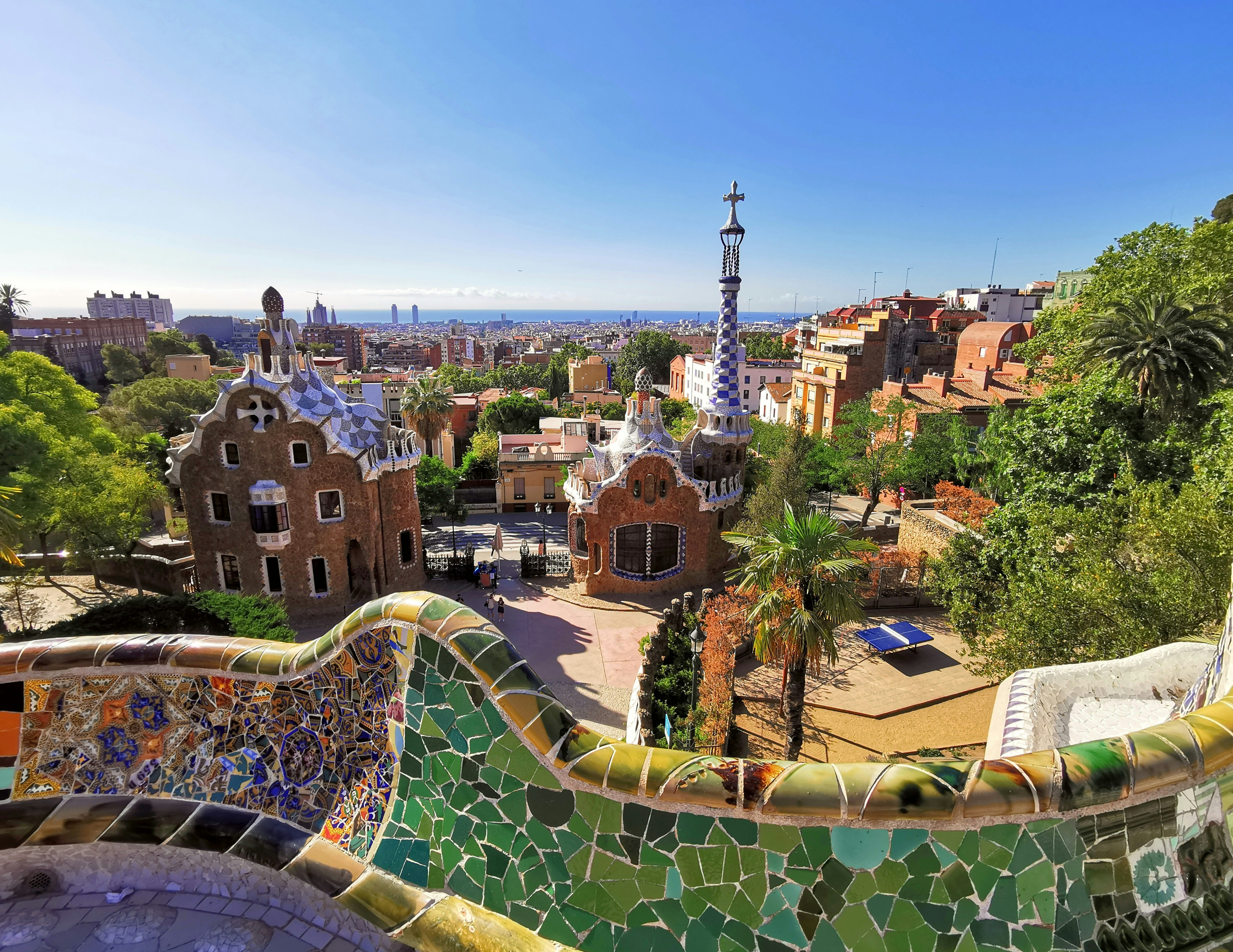
Within Barcelona, Park Guell deserves mention as an optional addition. Arriving when gates open provides tranquil, crowd-free access to Gaudi’s mosaics and sweeping city panoramas. The colorful serpentine bench and gingerbread houses define Barcelona’s visual identity for many visitors.
El Poblenou, a former industrial zone turned creative district, offers open-air art galleries, co-working spaces, and Platja de Bogatell, one of the city’s best urban beaches. Rambla del Poblenou provides a taste of laid-back local life away from tourist crowds.
How This Itinerary Transforms Your Barcelona Experience
Planning a trip to Barcelona means making hundreds of small decisions: which Gaudi building to prioritize, where to eat lunch in El Born, whether Montjuic is worth the climb, how to structure days around siesta hours and Spanish mealtimes. Each choice affects the next, and one poor decision creates a cascade of backtracking, missed opportunities, and wasted energy.
The full itinerary removes that mental burden. Instead of constantly consulting maps, reading reviews, and second-guessing yourself, you move through Barcelona with clarity. You know exactly when to book reservations, which metro line connects neighborhoods, and how much time each attraction actually requires. This isn’t about following a rigid schedule. It’s about having a tested framework that lets you travel confidently.
The real value emerges when you’re actually in Barcelona, standing in the Gothic Quarter at 1pm wondering where to eat, or finishing at MACBA and debating your next move. The itinerary provides immediate answers based on proximity, timing, and quality. It accounts for walking distances, opening hours, and the energy curve of a typical day. You avoid arriving at a restaurant during siesta, attempting to visit a museum on its closed day, or zigzagging across the city because you didn’t realize two attractions were in opposite directions.
Structure also creates space for spontaneity. When you’re not constantly troubleshooting logistics, you notice the artisan shop you’d have walked past, or accept a local’s restaurant recommendation, or linger in a plaza because you’re not rushing to figure out what’s next. The itinerary handles the framework so you can focus on the experience.
Consider what happens without this structure. You waste the first morning figuring out the metro system and finding breakfast. You arrive at Sagrada Familia to discover it’s sold out. You eat a mediocre lunch on La Rambla because you’re starving and don’t know better options. You miss the Gothic Quarter’s best corners because you stuck to the main tourist path. By day three, you’re exhausted from constant decision-making and geographic inefficiency. You leave feeling you missed something essential but can’t pinpoint what.
The full itinerary includes granular details that transform the experience: which specific dishes to order at each restaurant, what time to arrive at attractions for optimal crowds and light, walking routes that reveal hidden corners, backup options when plans shift, and insider tips from someone who has made every rookie mistake so you don’t have to. It’s the difference between wandering Barcelona hoping you’re making good choices versus knowing you are.
Conclusion: Your Best 4 Days in Barcelona Start With the Right Foundation
Barcelona rewards travelers who approach it with intention. The city’s layered history, world-class architecture, vibrant food culture, and distinct neighborhoods create endless possibilities. But possibility without structure leads to decision fatigue, missed opportunities, and that nagging feeling you didn’t quite get it right.
This 4 days in Barcelona itinerary provides the foundation for an exceptional trip. You’ll see the essential landmarks without feeling rushed. You’ll eat at restaurants where locals actually dine. You’ll discover neighborhoods beyond the guidebook highlights. Most importantly, you’ll move through the city confidently, knowing each day builds logically toward a comprehensive Barcelona experience.
The difference between a good Barcelona trip and a great one often comes down to hundreds of small choices made well. Where you eat lunch after the Picasso Museum matters. When you visit Sagrada Familia affects your entire experience. Which neighborhoods you prioritize shapes your understanding of the city. Having a structured, experience-tested plan means those choices are already made for you by someone who has lived this itinerary and refined it until everything flows.
Your time in Barcelona is limited. Four days pass quickly, especially when you’re navigating a new city in a different language with unfamiliar rhythms. The question isn’t whether you’ll see Sagrada Familia or walk the Gothic Quarter. The question is whether you’ll experience them at the right time, in the right sequence, with the context and preparation that transforms sightseeing into genuine understanding.
The full itinerary offers that transformation. It’s not about following someone else’s trip. It’s about having a tool that lets you travel with confidence, make informed decisions in the moment, and come home knowing you experienced the best of Barcelona rather than just scratching its surface. When you’re standing in Plaça de la Virreina at sunset, vermut in hand, watching locals gather for evening conversation, you’ll understand the difference between following a map and truly knowing where you are. You can find the full Itinerary Guide here.