How to Spend 3 Perfect Days in Budapest
Where Old-World Grandeur Meets Vibrant Modern Living Along the Danube
By The Next Stamp Travel Co. | Published April 2026
In This Guide:
- Why Budapest?
- What This Itinerary Covers
- Day 1: Buda Castle Hill and the Danube
- Day 2: Parliament, Basilica and Andrassy Avenue
- Day 3: Jewish Quarter, Market Hall and the Thermal Baths
- Why You Need the Full Budapest Guide
- Final Thoughts on Budapest
- Watch Before You Go: Budapest Travel Video
Why Budapest?
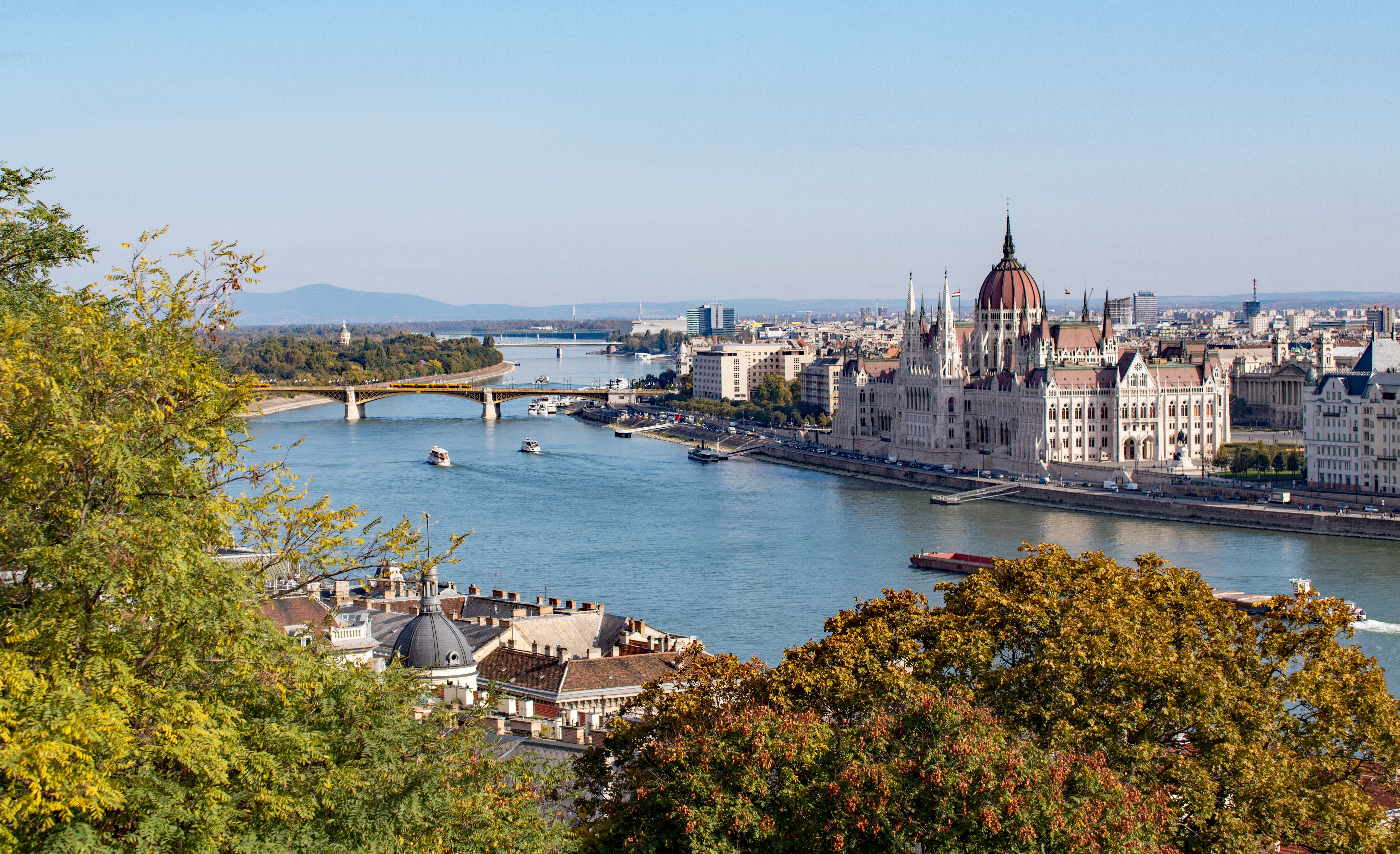
Budapest is not a city that eases you in gently. From the moment you cross the Chain Bridge and see the Parliament building blazing gold against the Danube at night, it claims you. This is a city of extraordinary contrasts: Baroque palaces and brutalist ruin bars, Michelin-starred tasting menus and langos fried dough eaten standing at a market stall, ancient thermal springs bubbling up beneath ornate neo-Baroque bathhouses. There is nowhere else in Europe quite like it.
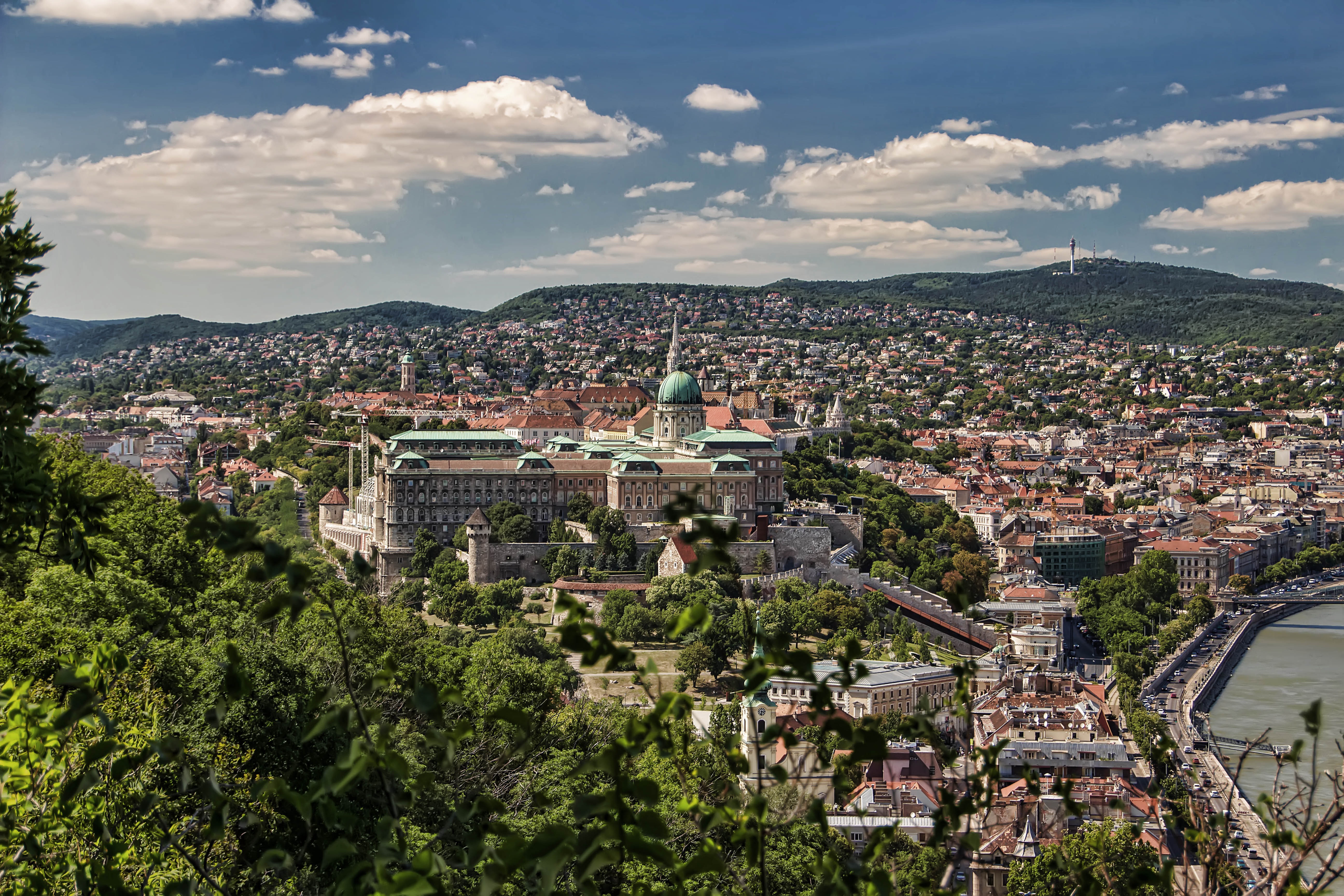
The city divides cleanly into two distinct personalities along the Danube. Buda, on the hilly western bank, is imperial and intimate: Castle Hill with its medieval lanes and viewpoints, the fairy-tale towers of Fisherman’s Bastion, the stairways and courtyards that most visitors never find. Pest, on the flat eastern bank, is everything that is modern and alive in Hungary: the grand parliamentary boulevards, the Jewish Quarter’s ruin bars, the food markets, the concert halls, and the restaurants that have been turning heads across Europe for a decade now.
Three days here is not just enough to enjoy Budapest. It is enough to genuinely fall in love with it. This itinerary is designed for first-time visitors, couples, solo travelers, and culture-lovers who want more than a photo at Fisherman’s Bastion and a night at a ruin bar.
Best time to visit: Spring (April to June) and Autumn (September to October)
Where to stay: District V (inner Pest) for the most central location
What to expect: Thermal bath culture, grand architecture, world-class food, legendary nightlife
Hidden gems: Free Danube Tram 2 route, Castle Hill courtyards, Szimpla Sunday market
Local tip: Currency is Hungarian Forint (HUF). Many places accept cards but always carry some cash for markets and smaller cafes.
What This Itinerary Covers
This 3-day itinerary moves through Budapest geographically, giving you one clear neighborhood zone per day so you never waste time crossing the city unnecessarily. Day one is dedicated entirely to Buda: the Castle Hill district, Matthias Church, Fisherman’s Bastion, and a riverside dinner. Day two crosses the Danube to cover the grand Pest boulevards: the Hungarian Parliament, St. Stephen’s Basilica, and the full length of Andrassy Avenue up to Heroes’ Square. Day three dives into the Jewish Quarter and ends at Szechenyi Thermal Baths in City Park.
The pace is deliberate but not rushed. Each day has space to linger over a coffee, wander without a map, and eat properly. You will not be sprinting between attractions. You will be experiencing the city.
Ready to skip the research and go straight to the trip? We built a complete, done-for-you Budapest travel guide covering hotels, restaurants, tours, and all the logistics you need. Grab your copy here and start planning with confidence.
Day 1: Buda Castle Hill and the Danube
Morning
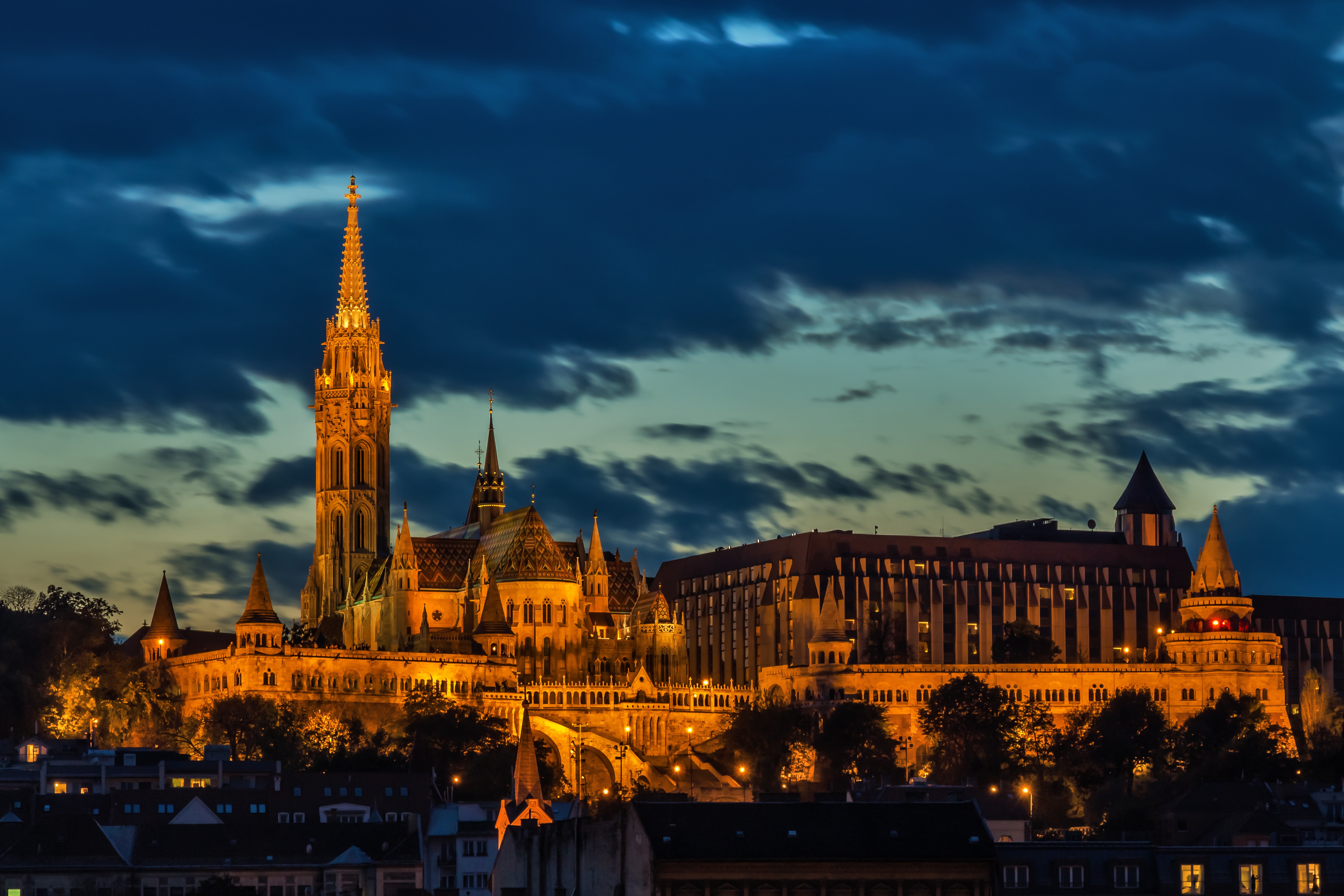
Start your first morning at Ruszwurm Cukraszda, the oldest pastry shop in Budapest, tucked inside a narrow cobblestone lane on Castle Hill. Founded in 1827 and still operating in its original Biedermeier-style room, it holds only a handful of people at once. Order an Esterhazy torte and a strong espresso, grab a small marble table by the window, and let the day begin slowly.
From the pastry shop, walk ten minutes to Buda Castle Royal Palace. The hilltop complex is vast and worth more time than most visitors give it. The terrace views over Pest and the Danube are extraordinary in morning light before the tour groups arrive. Inside, the Hungarian National Gallery fills the grand palace wings with 800 years of fine art, and the Gothic Hall in the basement reveals layers of the original 14th-century royal palace. Most visitors walk past the basement entrance entirely. Do not be most visitors.
Afternoon
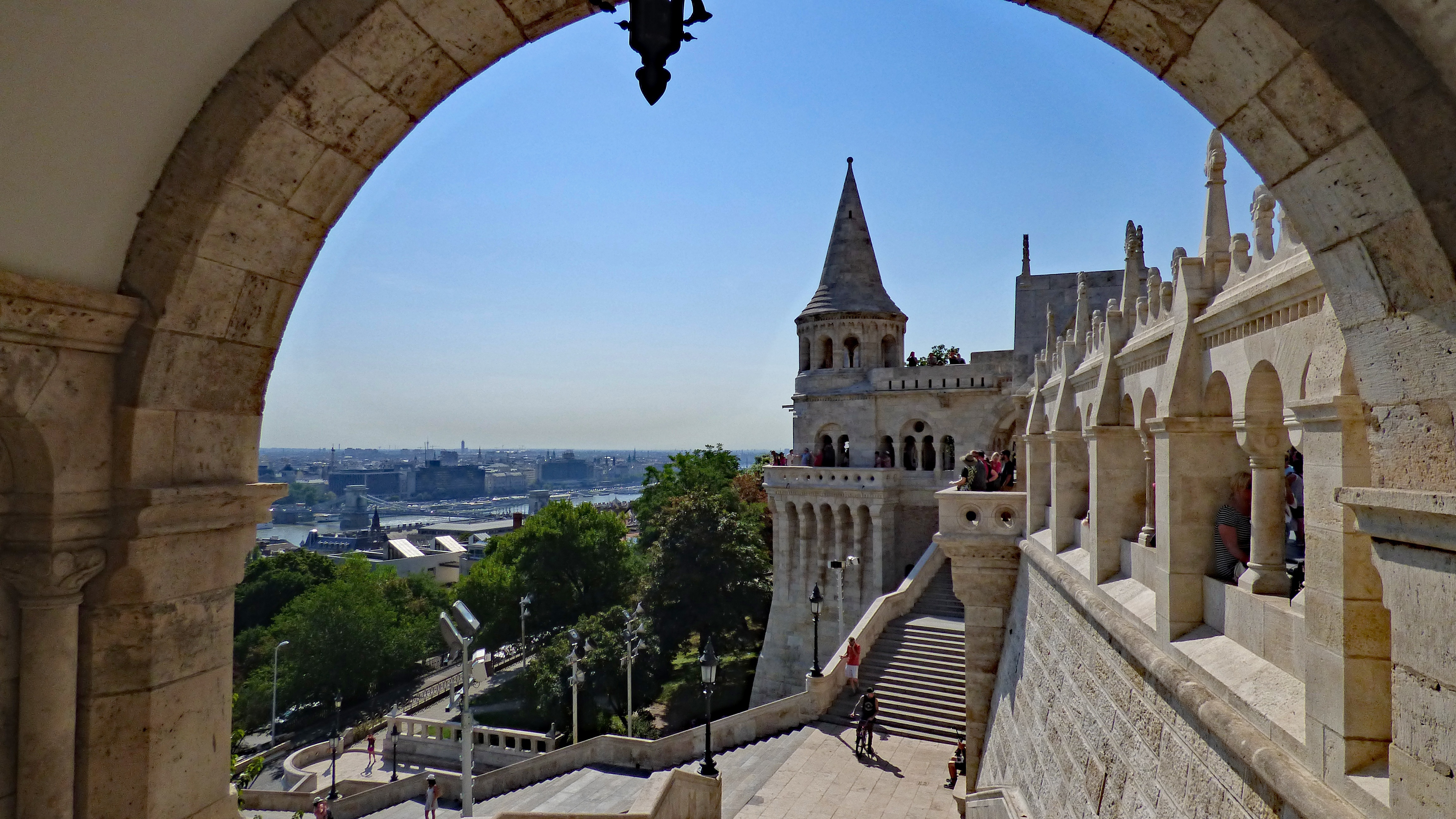
The walk from Buda Castle to Fisherman’s Bastion takes less than ten minutes through the castle district’s medieval lanes. The Bastion is a neo-Romanesque terrace built for Hungary’s Millennium in 1896, with seven conical towers representing the seven Magyar founding tribes. The upper towers are ticketed, but the main viewing terrace is free, and what you see from it stops conversation: Parliament, the Chain Bridge, the Danube, and all of flat Pest laid out before you like a map.
Matthias Church sits directly behind the Bastion, covered floor to ceiling in diamond-patterned frescoes and elaborate tile work that took decades to restore. Lunch is at Halaszbastya Restaurant, perched directly inside the Bastion towers with river views. The fisherman’s soup here is a properly spiced Hungarian classic.
Evening
Descend from Castle Hill via the historic funicular to the Chain Bridge, then walk across. The bridge at dusk with the Buda hills fading behind you and Parliament ahead is one of the great free experiences in any European city. Ride Tram 2 south along the Danube embankment to appreciate the illuminated Parliament from the waterside.
Dinner is at Costes on Raday Street, one of Budapest’s original Michelin-starred restaurants. The tasting menu draws on premium Hungarian ingredients and the wine pairing features exclusively native varietals from Tokaj, Eger, and Villany. Reserve at least two weeks in advance for weekend seats.
Tomorrow: the grand boulevards of inner Pest, Parliament, and a Michelin-starred dinner at one of the most intimate restaurants in Central Europe.
Day 2: Parliament, Basilica and Andrassy Avenue
Morning
Begin day two at Gerbeaud, on Vorosmarty Square, one of Central Europe’s most famous cafes since 1858. The ornate interior with marble tables, chandeliers, and silk curtains is a Budapest institution. Order the Gerbeaud slice: a layered walnut and apricot jam cake that has been a house signature for over a century. Arrive before 9:30am to secure a window seat.
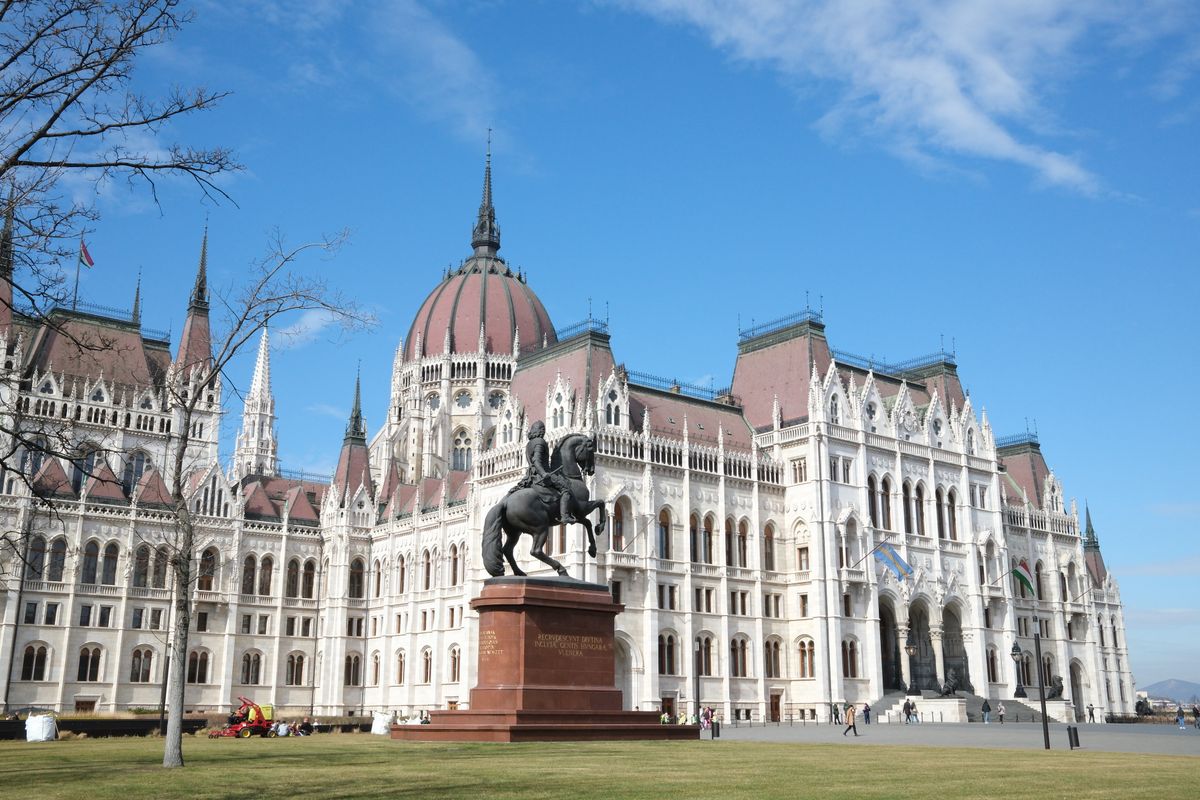
The Hungarian Parliament building is one of the most breathtaking interiors in all of Europe. The guided tour takes you through the grand central dome hall, the marble staircase, and the room housing Hungary’s Holy Crown and coronation regalia. Book timed-entry tickets online at least a week ahead. After the tour, walk south along the embankment to see the Shoes on the Danube Bank memorial: 60 pairs of cast-iron shoes marking the spot where Jewish victims were shot into the river during WWII. It is one of the most quietly devastating memorials anywhere in Europe.
Afternoon
Lunch is at Cafe Kor, two blocks from St. Stephen’s Basilica: a beloved neighbourhood bistro serving honest Hungarian dishes at reasonable prices. Come before 1:00pm or expect a short queue. St. Stephen’s Basilica, completed in 1905, dominates the Pest skyline with its 96-metre dome. Climb the dome via lift for a 360-degree panoramic view at a very modest fee.
Andrassy Avenue, Budapest’s answer to the Champs-Elysees, stretches from the Basilica area all the way to Heroes’ Square and City Park. The 25-minute walk passes the Hungarian State Opera House and neo-Renaissance mansions. Heroes’ Square at the far end is anchored by the massive Millennium Memorial.
Evening
Tonight’s dinner is at Babel Budapest, a Michelin-starred restaurant with only twelve tables overlooking a Gothic courtyard. The kitchen produces 8 and 13-course tasting menus that reimagine Austro-Hungarian cuisine through contemporary technique. Reserve two to three weeks ahead.
All the exact addresses, booking links, reservation tips, and insider notes for these spots are documented in the full Budapest guide — worth having open on your phone for the whole trip.
Day 3: Jewish Quarter, Market Hall and the Thermal Baths
Morning
Start day three at Madal Cafe for Budapest’s best specialty coffee before heading into the Jewish Quarter. The Dohany Street Synagogue, two minutes walk away, is the largest synagogue in Europe. Built between 1854 and 1859 in a Moorish-Byzantine revival style, it seats 3,000 people. Book tickets online to skip the entrance queue. The memorial garden at the rear contains a haunting weeping-willow Holocaust memorial and a mass grave from the 1944-45 ghetto.
After the synagogue, spend an hour walking through the Jewish Quarter streets around Kazinczy utca and Kiraly utca. This neighbourhood gave birth to the global ruin bar movement. The same streets have faded Art Nouveau facades, community gardens in abandoned courtyards, street art murals, and independent shops selling Hungarian ceramics and jewellery.
Afternoon
A short tram ride takes you to the Great Market Hall (Nagycsarnok), Budapest’s oldest and most magnificent indoor market, built in 1897. The ground floor sells paprika in every form, Hungarian salami, and pickled vegetables. The first-floor mezzanine is where you eat: langos (fried dough topped with sour cream and cheese) from the stall vendors is Hungary’s quintessential street food. Budget 60-90 minutes and explore all three levels.
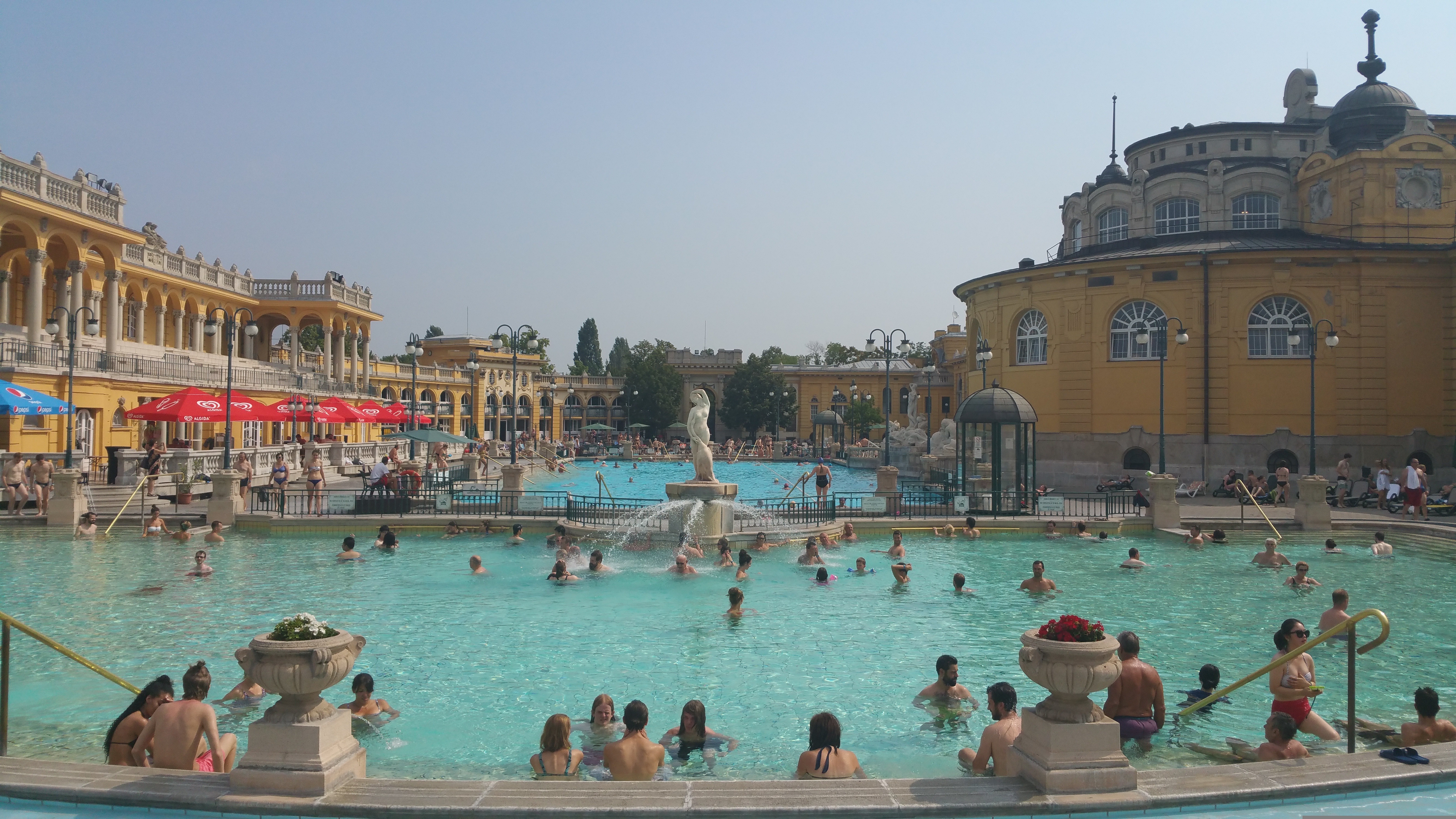
From the market, take Metro Line 1 (the oldest underground railway in continental Europe, built for Hungary’s 1896 Millennium) to Szechenyi Thermal Baths in City Park. The largest thermal bath complex in Europe, housed in a spectacular 1913 yellow neo-Baroque palace, uses naturally heated water at 27-38C. Book online in advance and give yourself at least two hours. After bathing, walk to Heroes’ Square and Vajdahunyad Castle on the park lake.
Evening
Dinner is at Mazel Tov, the most atmospheric restaurant in District VII: a Mediterranean and Middle Eastern kitchen built inside an abandoned factory courtyard strung with thousands of fairy lights. The hummus with slow-cooked beef, shakshuka, and lamb kefte are exceptional. Book a courtyard table.
For the Budapest nightcap, Szimpla Kert on Kazinczy utca is a five-minute walk from dinner. The original ruin bar, a sprawling labyrinth of courtyards, vintage cars repurposed as seating, and art covering every surface. No visit to Budapest is complete without an hour here.
Why You Need the Full Budapest Guide
This blog gives you a confident, well-structured overview of 3 days in Budapest. But a great trip and a flawless trip are two different things, and the difference is in the details.
The full Budapest guide goes several layers deeper. It covers all eight hotel recommendations with descriptions and direct booking links. The restaurant section includes reservation guidance and specific dishes to order at each one, including the Michelin-starred kitchens. The insider tips section covers the exact Tram 2 route that rivals any boat tour at zero cost, how locals actually use the thermal baths, how to navigate Metro Line 1 without getting fined, and where to find the hidden courtyards behind the city’s grand facades.
There is also a complete packing list tailored for Budapest’s mix of cobblestone castle streets, thermal bath sessions, fine dining, and ruin bar evenings, along with a full attire guide for every part of the trip. You have done the hard part by choosing Budapest. Let the guide handle the rest.
The complete guide has everything mapped out: hotels, restaurants, tours, logistics, and insider tips built from real travel experience. Stop researching and start packing. Get the full guide here
Final Thoughts on Budapest
Budapest is the kind of city that rewards visitors who slow down. The most memorable moments here are rarely the famous viewpoints or the restaurant reservations, though those are extraordinary too. They are the moments between: the tram ride along the lit-up Danube at 10pm, the coffee at a tiny table in an 1827 pastry shop, the courtyard you pushed open a gate to find entirely by accident.
Is it worth it? Absolutely. Budapest is one of the best-value, most visually stunning, most culinarily exciting capitals in all of Europe, and it remains just underrated enough that you will feel like you have discovered something.
Planning your trip? Drop a question in the comments below. We read everything and respond to every genuine travel question.
Ready to make it happen? Get the complete Budapest travel guide here and start counting down the days.
More destination guides
If you are planning a longer trip through Europe or beyond, these guides follow the same format:
- The Perfect 4 Day Istanbul Travel Guide
- How To Spend 3 Days in Rome
- How To Spend 5 Days in Mexico City
Planning a trip of your own? I build custom travel itineraries from scratch, or you can browse the full library of ready-made guides. The free travel budget planner is a good place to start.