Where Ancient Palaces, World-Class Food and the Energy of K-Culture Collide
By The Next Stamp Travel Co. | April 2026
1. Why Seoul?
2. What This Itinerary Covers
3. Day 1 in Seoul — Insadong Culture and Myeongdong Street Food
4. Day 2 in Seoul — Royal Palaces and the Hanok Village Experience
5. Day 3 in Seoul — Namsan Tower and the International Charm of Itaewon
6. Day 4 in Seoul — Hongdae Street Art, River Ramen and Korean BBQ
7. Day 5 in Seoul — Seongsu-dong Coffee, Gangnam and a Farewell Dinner
8. Why You Need the Full Seoul Guide
9. Final Thoughts on Seoul
10. Watch Before You Go
Why Seoul?
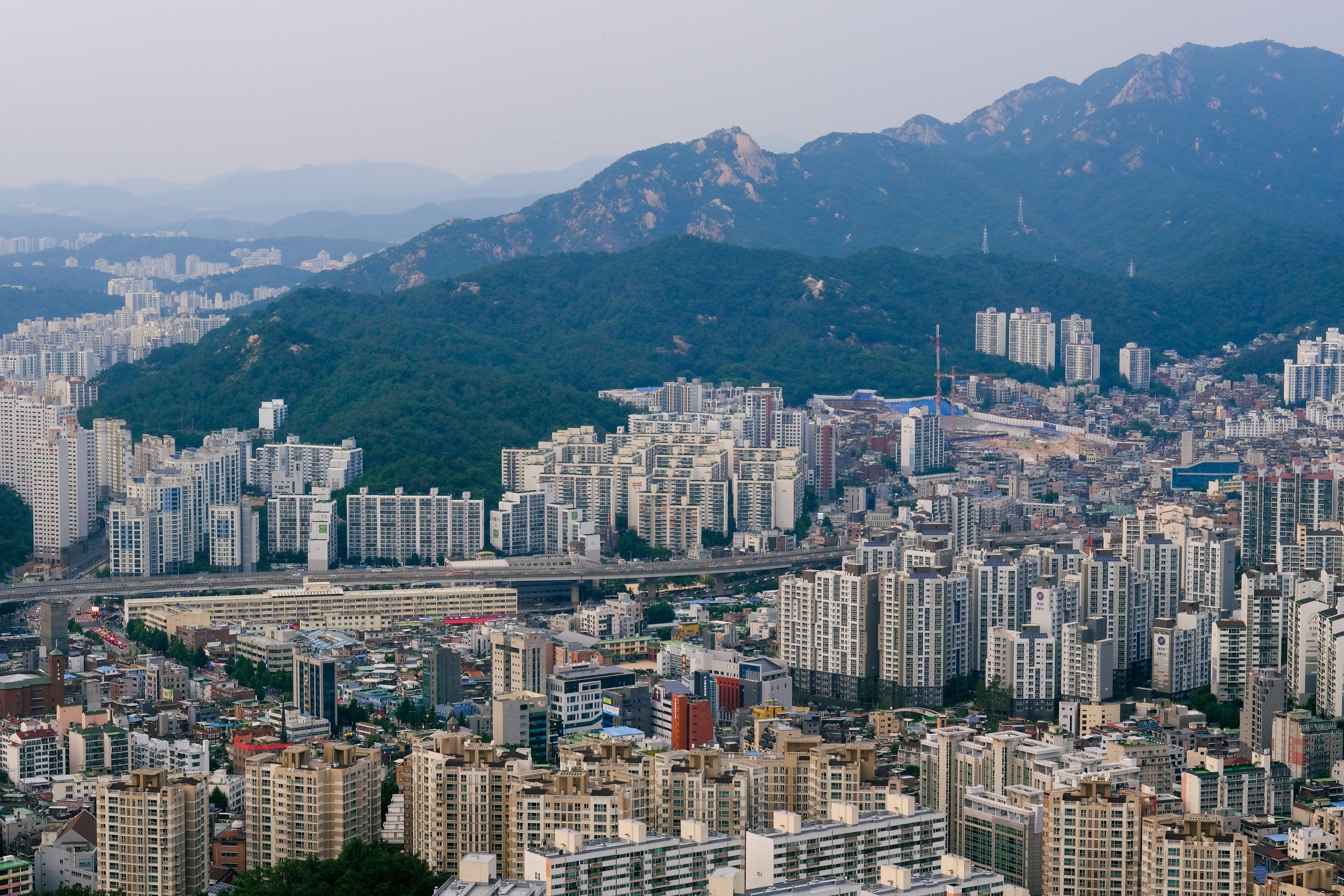
There are cities that impress you. And then there are cities that absorb you. Seoul belongs firmly in the second category. From the moment you step off the subway into its street-level energy, you understand that something genuinely different is happening here. This is a capital that has compressed centuries of royal history, rapid modernization, and wildly creative youth culture into a single, extraordinarily livable grid of streets.
Seoul is a city where a 600-year-old palace stands directly across the road from a glass-walled department store, where Michelin-starred restaurants share backstreet alleyways with cart vendors selling 2,000-won kimbap, and where temple monks walk past teenagers in matching K-pop merchandise. That contrast, far from feeling disjointed, gives Seoul its particular magic. It holds its contradictions with remarkable elegance.
The food alone is worth the flight. Korean cuisine is one of the world’s great culinary traditions, and Seoul is its ultimate stage. Whether you’re pulling apart galbi short ribs over a charcoal grill, lowering your spoon into a bowl of samgyetang ginseng chicken soup that has been simmering since dawn, or sitting at the counter of a three-Michelin-starred restaurant watching the chef plate a jang-fermented broth with surgical precision, you will eat extraordinarily well every single day. Seoul is ideal for first-time visitors to Korea, for couples looking for a city break that mixes culture, food, and nightlife, and for any traveler ready to move beyond surface-level tourism into the actual daily texture of one of Asia’s most compelling capitals.
Seoul At a Glance
• Best time to visit: April to May (cherry blossom spring) and September to November (crisp golden autumn)
• Where to stay: Myeongdong for central access, Hongdae for creative energy, Gangnam for upscale comfort
• What to expect: Incredible food, efficient subway transit, vibrant street culture, and royal history at every turn
• Hidden gems: Eunpyeong Hanok Village (less crowded than Bukchon), Mangwon Market for a local breakfast, Seongsu-dong warehouse cafes
• Local tip: Download Naver Maps before you land. Google Maps has limited routing in South Korea. Your T-Money transit card works on subways, buses, and convenience stores.
What This Itinerary Covers
This five-day Seoul itinerary is structured around the city’s distinct neighborhoods, moving through them in a geographically logical sequence so that each day feels complete and unhurried. Day one settles you into central Seoul through Insadong and Myeongdong. Day two takes you north into the royal heritage zone of Gyeongbokgung, Bukchon, and the Secret Garden. Day three brings you to Namsan Mountain and the cosmopolitan energy of Itaewon. Day four shifts west to the creative districts of Hongdae and the Han River. Day five closes in Seongsu-dong and Gangnam, where modern Seoul shows its most polished face.
The itinerary covers 9 major attractions, 8 hotel recommendations, a full restaurant guide with six standout spots across every price range, a detailed packing list, an attire guide for Seoul’s seasons, and exactly seven insider travel tips that go well beyond the usual tourist advice. Morning, afternoon, and evening activities are mapped for every day, with restaurant recommendations geographically tied to each day’s zone so there’s no unnecessary cross-city commuting.
Ready to skip the research and go straight to the trip? We built a complete, done-for-you Seoul travel guide covering hotels, restaurants, tours, and all the logistics you need. Grab your copy here and start planning with confidence.
Day 1 in Seoul — Insadong Culture and Myeongdong Street Food
Morning
Your Seoul adventure begins in Insadong, the cultural artery of central Seoul where the city’s art, craft, and tea traditions converge in a single navigable stretch of streets. Start the morning at Cafe Bora, the specialty cafe celebrated across Korea for its intensely purple taro lattes and pour-over coffees made with the same precision you’d find in a Tokyo specialty roaster. Arriving at opening time (10 AM) lets you secure a window seat before the queue forms on the pavement outside.
From Cafe Bora, wander the full length of Insadong’s main street and turn into the Ssamziegil courtyard, a spiral indoor-outdoor shopping arcade where independent Korean designers, ceramic artists, and jewellery makers sell directly from tiny studios. The rooftop level has a cafe with an open sky ceiling and no entrance requirement. It’s one of Seoul’s least-known good coffee spots in one of its most underrated settings. Mid-morning, stop at one of the tteok (rice cake) vendors along the main street for a sesame-and-red-bean snack that has been made this way for hundreds of years.
Afternoon
A five-minute walk south from Insadong brings you to Jogyesa Temple, the head temple of Korean Buddhism and an unexpectedly peaceful urban sanctuary. The 500-year-old white pine in the courtyard is one of Seoul’s quietly famous natural landmarks, and the main hall’s lantern decorations in spring create an atmosphere unlike anywhere else in the city. After the temple, continue south to Namdaemun Market, Korea’s largest traditional market, for an overwhelming hour of dried fish, street snacks, clothing stalls, and the particular pleasure of watching commerce conducted at full Korean speed. Lunch at Gogung in nearby Myeongdong delivers a Jeonju-style bibimbap in a hot stone bowl that sets the bar for every Korean meal to follow.
Evening
As the sun drops, Myeongdong’s main pedestrian street transforms into one of Asia’s great open-air street food spectacles. The stalls materialize from nowhere, the smells of tornado potato and grilled squid fill the air, and the neon from skincare boutiques and bubble tea shops gives everything a saturated, electric quality. Work your way through the street food options before sitting down for dinner at Myeong-dong Kyoja, a Seoul institution since 1966 serving hand-cut kalguksu noodles in deep chicken broth and mandu dumplings that have been feeding this neighborhood for generations. No reservations accepted. Arrive just before opening.
Day 2 in Seoul — Royal Palaces and the Hanok Village Experience
Morning
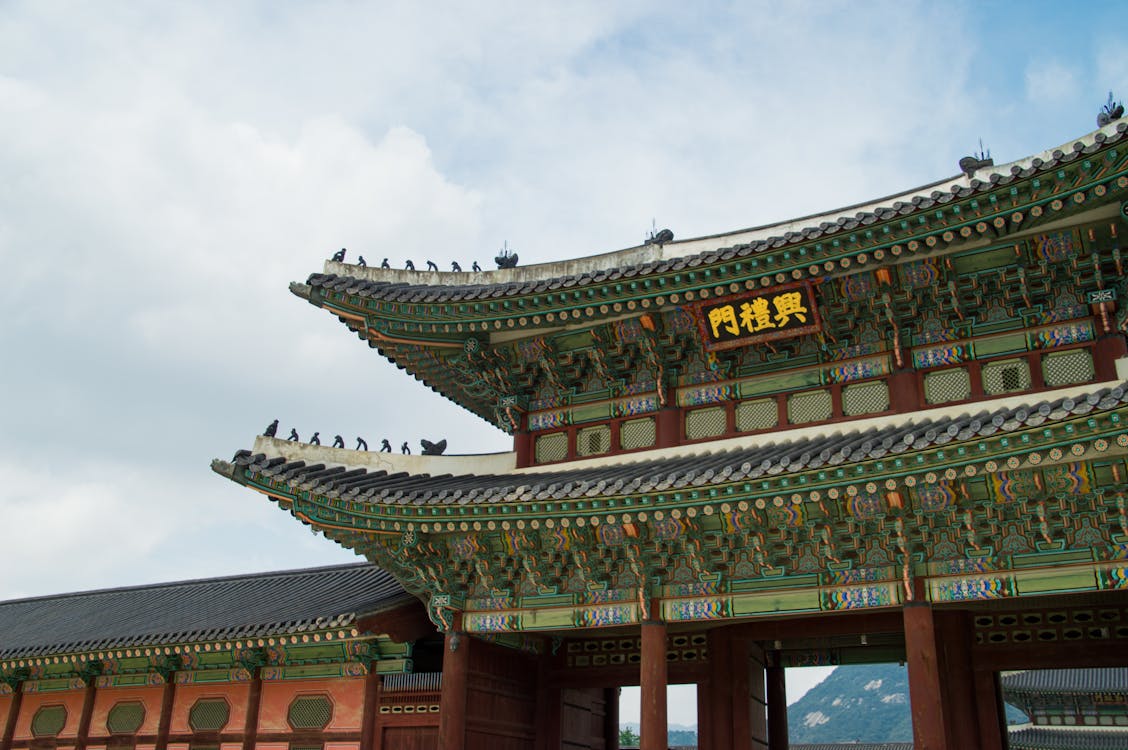
Day two belongs entirely to northern Seoul and the Joseon Dynasty. Begin with breakfast at a traditional tea house in the Bukchon neighborhood before walking to Gyeongbokgung Palace for the 9 AM opening. The first 45 minutes before tour groups arrive are the most peaceful window of the day, and the morning light on the Gyeonghoeru Pavilion creates a reflection on the lotus pond that photographers specifically time their visits around. The Royal Guard Changing Ceremony at 10 AM runs for 20 minutes at the main Gwanghwamun Gate. Rent a hanbok at the gate for roughly 15,000 KRW and receive free palace entry, plus instant access to every visitor wanting to photograph you.
After the palace, walk five minutes north to Cheong Wa Dae, the former Blue House presidential compound that opened to the public in 2022 for the first time in 74 years. Register for a free timed entry ticket online before your trip. The mountain backdrop, the restored gardens, and the main blue-tiled building make for some of the most distinctive photographs in Seoul. The audio guide in English is excellent and contextualizes the compound’s political history in a way that makes the visit genuinely interesting beyond the aesthetics.
Afternoon
Bukchon Hanok Village is a 10-minute walk east from the palace, and a very different kind of Seoul experience from the polished tourist circuits. The neighborhood is a living residential district of 900 Joseon-era traditional houses, and while the main lanes are justifiably famous, the best Bukchon experience comes from wandering the side streets and dead-ends where the houses become more intimate and the city noise fades to a distant murmur. Lunch at Tosokchon Samgyetang, just west of Gyeongbokgung, is one of the non-negotiable Seoul meals. A whole baby chicken stuffed with rice, jujubes, and ginseng arrives in a stone pot of broth that has been ladled into bowls at this restaurant for over 30 years. Arrive at 10 AM or accept a queue.
The afternoon is best spent at Changdeokgung Palace and its Secret Garden, the most intact and arguably most beautiful of Seoul’s five Joseon palaces. The Secret Garden requires a guided entry ticket booked in advance through the official website since timed entry is strictly limited to small groups. The 78-acre royal garden of lotus ponds, pavilions, and ginkgo-lined paths is at its absolute finest in October and November when the foliage turns amber and gold.
All the exact addresses, booking links, and insider notes for these spots are documented in the full Seoul guide and worth having open on your phone for the whole trip.
Evening
Return to the Insadong and Gahoe-dong neighborhood for the evening. The streets quieten considerably after dark, and the hanok-converted cafes and tea rooms of Gahoe-dong become some of Seoul’s most atmospheric places to end a day. Dinner at any of the traditional Korean BBQ restaurants in the area, ordering galbi over charcoal with banchan running to ten or more side dishes, and a ceramic bowl of makgeolli rice wine, completes a day that has covered a thousand years of Korean history from a single neighborhood cluster.
Day 3 in Seoul — Namsan Tower & Itaewon
Morning
Day three moves to the Yongsan district and the slopes of Namsan Mountain. Begin with breakfast in Itaewon, the international neighborhood at the base of Namsan that is more interesting at 9 AM than its nightlife reputation suggests. The café scene along Itaewon-ro’s side streets serves excellent specialty coffee and egg breakfast plates, and the morning air has a quiet quality that the same streets entirely lack after dark. From Itaewon, take a taxi or walk 20 minutes to the Namsan Cable Car base station for the short gondola ride through forested mountain terrain to the summit.
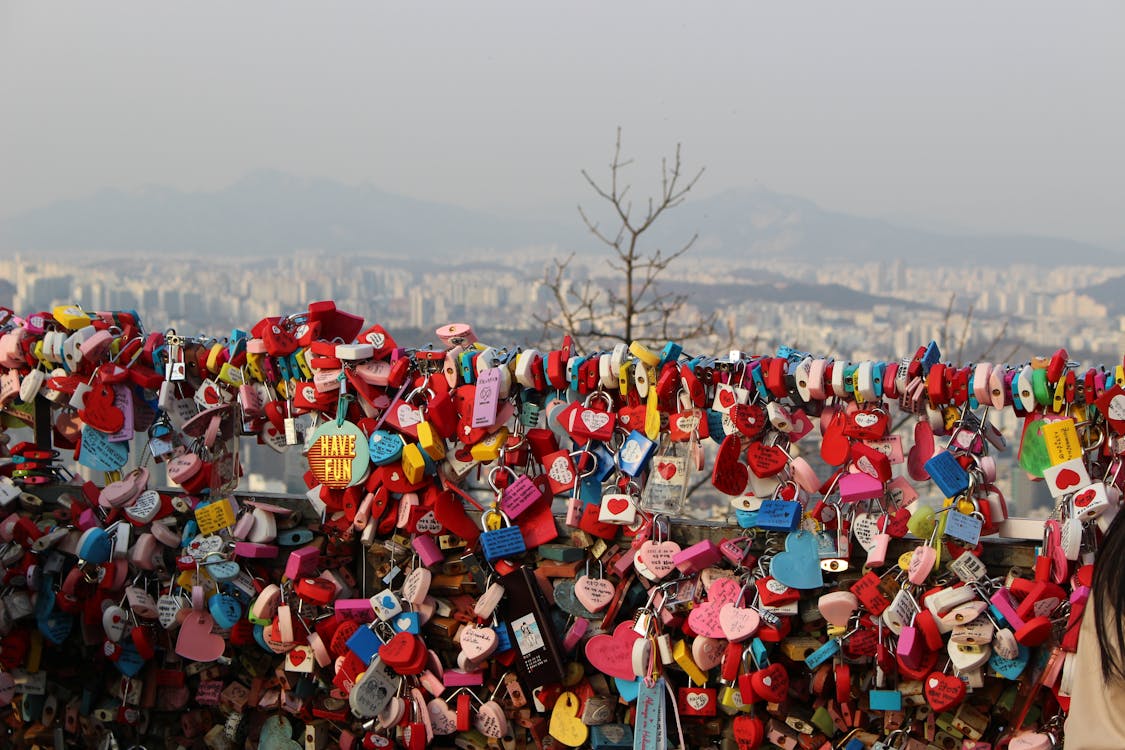
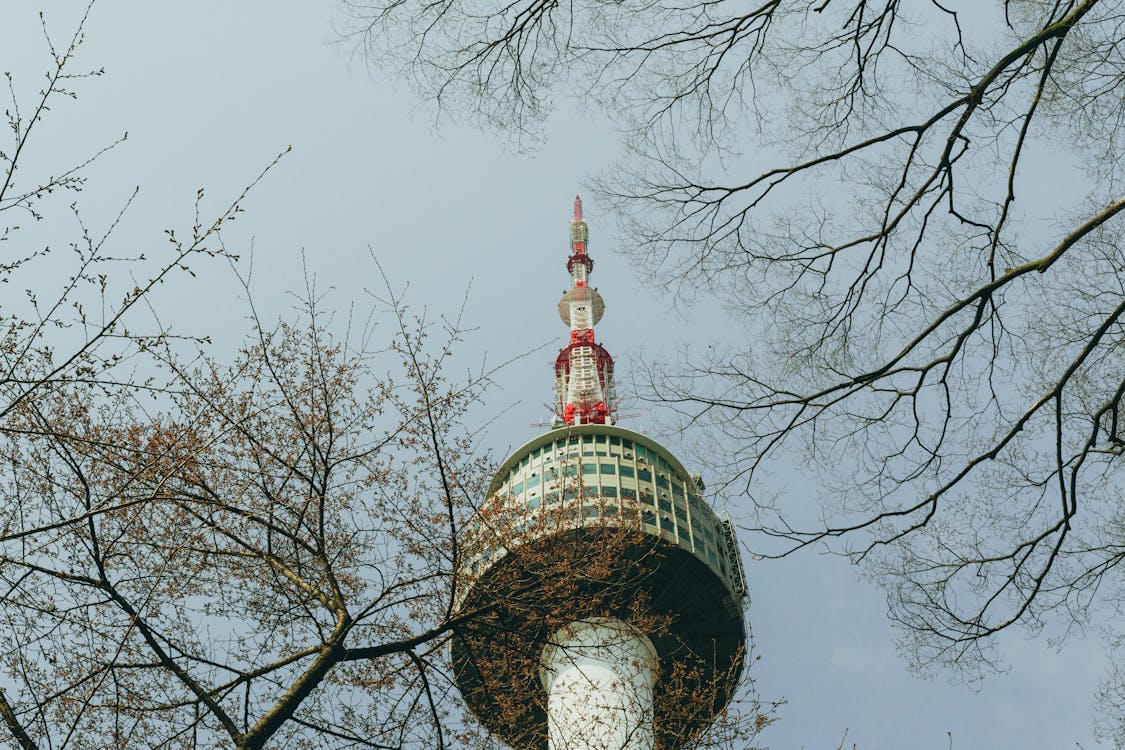
N Seoul Tower sits at 480 meters above sea level and delivers a 360-degree panorama that gives you the full geography of the city at once: Bukhansan National Park to the north, the Han River snaking through the southern districts, and the sprawl of Seoul extending to every horizon. Allow at least 90 minutes on the summit, including time on the outdoor observation deck, the famous Love Lock fence, and the restaurant with floor-to-ceiling views. The descent on foot via the Namsan forest trail takes about 30 minutes and is one of the most pleasant walks in central Seoul.
Afternoon
Namsangol Hanok Village, at the northern base of Namsan, is a restored collection of five traditional upper-class hanok houses set in a formal garden. It’s free to visit, considerably less crowded than Bukchon, and on weekends hosts cultural performances including traditional music, folk games, and tea ceremonies. A short taxi ride from Namsangol brings you back to Itaewon for lunch in the restaurant-dense stretch of Itaewon-daero, where the neighborhood’s international character makes it the most globally diverse dining block in Seoul. The adjacent Hannam-dong district, a 15-minute walk east, is worth an afternoon wander for its luxury boutiques, independent galleries, and the Leeum Samsung Museum of Art.
Evening
Dinner at Maple Tree House in Itaewon is the evening’s centrepiece: premium Korean hanwoo beef grilled over hardwood charcoal at your table, with the kind of marbled quality that makes every other galbi seem like a rough draft. Reserve in advance. The rooftop terrace fills quickly after 7 PM with a view toward Namsan that extends the pleasure of the meal well beyond the last bite. End the evening in Itaewon’s bar district along Usadan-ro, where the craft beer bars and rooftop lounges skew older and more design-conscious than Hongdae’s club scene.
Day 4 in Seoul — Hongdae Street Art, River Ramen and Korean BBQ
Morning
Day four takes you to the western creative districts where Seoul’s youth culture, independent music scene, and university energy converge. Begin the morning not in Hongdae but in Mangwon Market, 15 minutes west by subway, where Seoul’s least-touristy neighborhood market serves the breakfasts locals actually eat: kong-guksu soybean soup, fresh hotteok pancakes, and paper cups of sweet sikhye rice punch from vendors who have held the same stall positions for decades. The market has a warm, unhurried community atmosphere entirely absent from the larger tourist-facing markets.
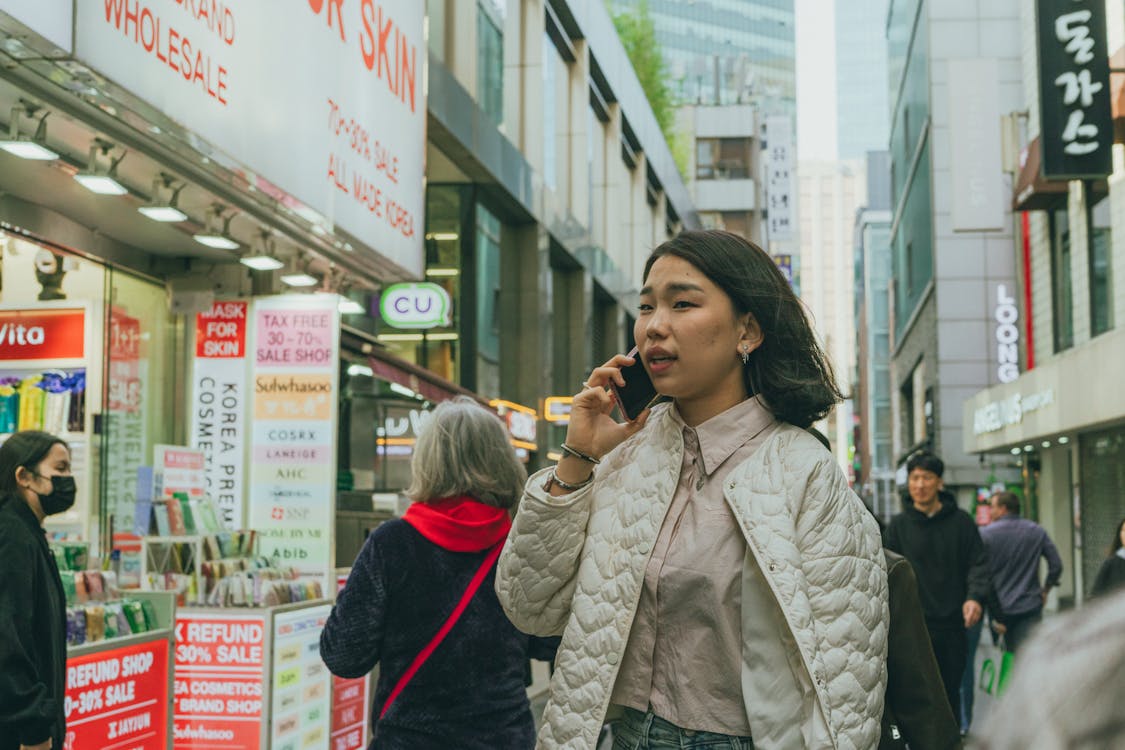
From Mangwon, subway back to Hongdae for the main event. The area around Hongik University is Seoul’s indie music and street art capital, with rotating murals on every wall, record shops stocking Korea’s most independent releases, and vintage clothing stores that have fed the city’s fashion scene for twenty years. The Saturday Hongdae Free Market on the main square runs from 1 PM to 6 PM with local designers and illustrators selling directly to buyers, with live acoustic sets running in parallel. Even on weekdays, the backstreet energy rewards slow exploration.
Afternoon
A 10-minute walk east from Hongdae leads to Yeonnam-dong, which has become one of Seoul’s most creatively dense café neighborhoods in recent years. Former residences have been converted into specialty coffee roasters, dessert concept studios, and Korean natural wine bars, all connected by the Gyeongui Line Forest Park, a former railway corridor that now functions as a long linear green space through the center of the neighborhood. Lunch is easily found in Yeonnam-dong’s alleyways, where chef-owned small-batch restaurants with handwritten daily menus represent some of the most exciting and affordable cooking in the city.
Evening
The Mangwon Hangang River Park for sunset is one of Seoul’s unmissable experiences. Walk 15 minutes south from Mangwon Market to the broad, grassy riverbank and attempt the famous Hangang Ramen ritual: buy a cup ramen from the park’s automated self-cooking machines for 1,500 KRW, cook it with the boiling water dispenser, and eat at the river’s edge watching the bridge lights reflect on the Han River as the sky turns copper. This is how Seoul actually relaxes. The evening closes with a Korean BBQ dinner in the Hongdae backstreets, where samgyeopsal pork belly grilled at a wood-charcoal table, wrapped in fresh perilla leaves with gochujang and raw garlic, makes the definitive case for why Korean BBQ is one of the world’s truly great communal dining formats.
Day 5 in Seoul — Seongsu-dong & Gangnam
Morning
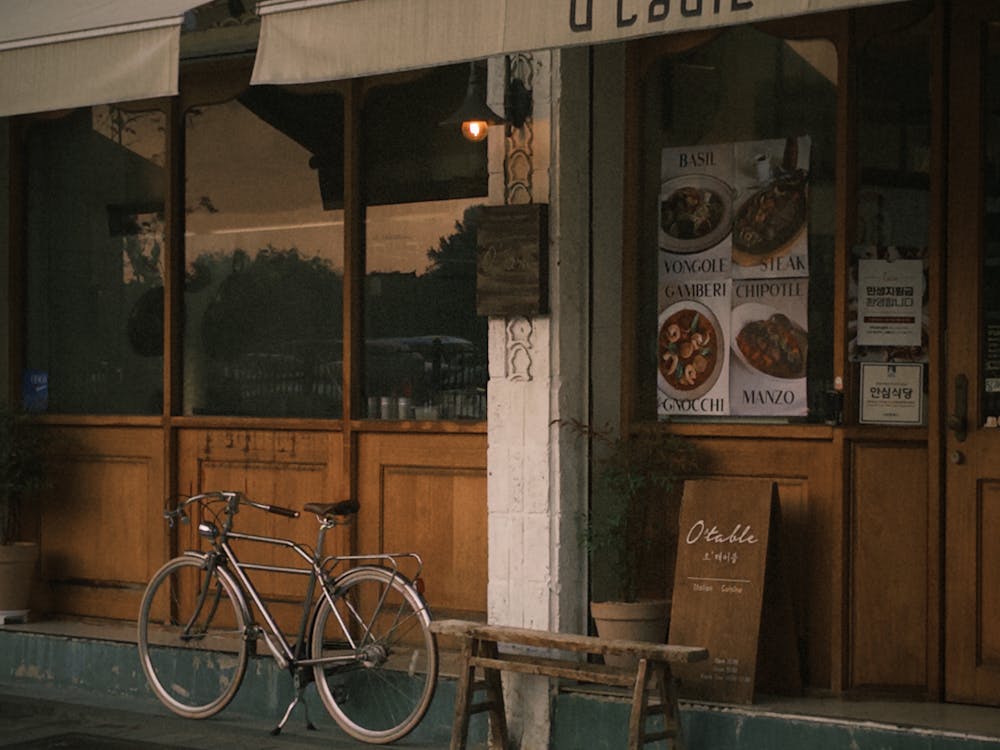
The final day begins in Seongsu-dong, Seoul’s most talked-about creative district and the city’s strongest claim to having a neighborhood that can stand beside Shoreditch, Williamsburg, or Shimokitazawa. Former industrial buildings and printing factories have been repurposed into design studios, specialty coffee roasters, vintage boutiques, and brand pop-up spaces that rotate every few weeks. The coffee here is exceptional by any global standard: single-origin pour-overs from rotating seasonal suppliers, served in spaces where the building’s industrial past is worn as a design feature rather than erased. Arrive when the first cafes open at 10 AM to experience Seongsu-dong at its most serene before the weekend crowds arrive.
Walking the main Seongsu-daero strip and its side streets reveals a rotating series of concept installations, Korean indie fashion labels, and natural wine bars that have followed the neighborhood’s creative energy eastward from Itaewon and Hongdae. The Seongsu Community Service Center, a converted public bath near the end of the main strip, houses free cultural exhibitions and a rooftop garden that offers good views over the rooftop density of the district below.
Afternoon
A 10-minute taxi from Seongsu-dong brings you to Bongeunsa Temple in the heart of Gangnam, a 1,200-year-old Buddhist complex that creates a profound pause in the middle of Seoul’s most commercial district. The 23-meter standing Buddha at the entrance is one of Seoul’s most striking sights by any measure, and the temple grounds include a meditation garden, a library of 3,479 hand-carved wooden sutra blocks, and the deep quiet of monks in daily prayer. From Bongeunsa, walk five minutes to COEX Mall, Asia’s largest underground shopping complex, where the famous Starfield Library — a dramatic two-story reading room under a vaulted ceiling lined with 70,000 books — has become one of Seoul’s most photographed interiors. Lunch at the COEX food hall covers every Korean option from dosirak lunch boxes to grilled eel sets.
Evening
The final Seoul dinner belongs at Mingles, Chef Mingoo Kang’s three-Michelin-starred modern Korean restaurant that has placed consistently among Asia’s 50 Best Restaurants. The tasting menu reinterprets traditional Korean fermented ingredients — primarily the jang sauce family of doenjang, ganjang, and gochujang — through a fine-dining lens of extraordinary subtlety and precision. Reserve six to eight weeks in advance. The eight-course menu runs approximately 200,000 to 250,000 KRW per person before wine pairings. It is the most memorable meal Seoul will give you, and a worthy final note for five remarkable days.
📖 About the Seoul 5-Day Itinerary Guide
This premium digital travel guide is your done-for-you blueprint for five unforgettable days in Seoul. Researched and written by The Next Stamp Travel Co., it covers everything you need in one beautifully formatted document — ready to read on any device, save to your phone, or print before you fly.
Inside the guide you’ll find:
- 8 Hotel Recommendations — From the Four Seasons and Signiel Seoul to boutique stays in Myeongdong and Hongdae, with neighborhood context and direct booking links
- 9 Top Attractions — Gyeongbokgung, Bukchon Hanok Village, N Seoul Tower, Changdeokgung Secret Garden, Gwangjang Market, Insadong, the Blue House, COEX Starfield Library, and Seongsu-dong — with visit tips and opening times
- Full 5-Day Schedule — Morning, afternoon, and evening activities mapped by neighborhood so every day flows without backtracking
- 6-Spot Restaurant Guide — From Mingles (3 Michelin stars) to Myeong-dong Kyoja (Seoul institution since 1966), with reservation guidance and ordering tips
- Seoul Attire Guide — What to wear by season and venue type
- Complete Packing List — Seoul-specific essentials organized by category
- 7 Insider Travel Tips — Non-obvious local knowledge including the T-Money card hack, Hangang Ramen ritual, Bukchon photography window, and more
- Tour Details — Curated tour options for Gyeongbokgung, the DMZ, and night markets
Format: Instant digital download (PDF/Word) · Price: $15 (currently $7.50 on sale)
Why You Need the Full Seoul Guide
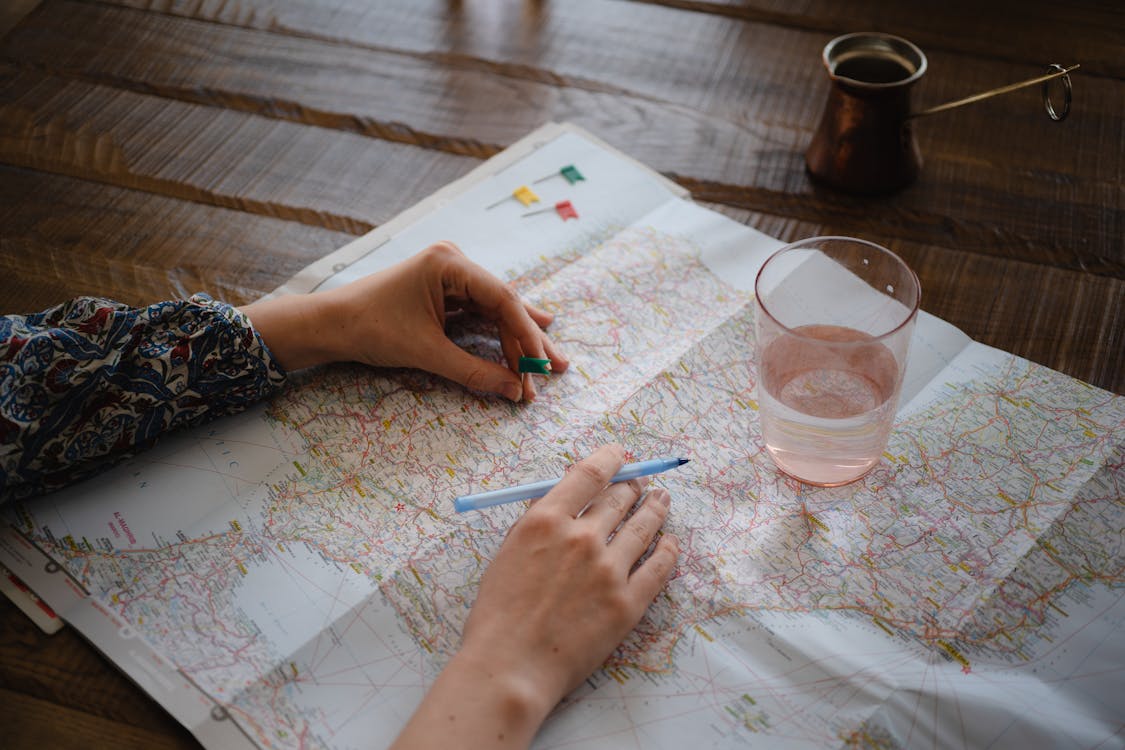
This blog covers the highlights of a five-day Seoul itinerary and gives you the broad strokes of what the city holds. But a great trip and a flawless trip are two different things, and the difference is almost always in the details that a blog post can’t adequately provide.
The complete Seoul guide goes significantly further. It includes detailed hotel-by-hotel comparisons with real booking links and neighborhood context for all eight recommended stays, from the Four Seasons’ Gyeongbokgung proximity to the Signiel Seoul’s Lotte World Tower sky views. It covers Changdeokgung’s Secret Garden booking process step by step. It walks you through every transit scenario, including airport arrival, T-Money card loading, Naver Maps setup, and which subway exits to use at each major destination. There is a full attire guide tailored to Seoul’s seasons and specific venues, a packing list organized by category, and exactly seven insider travel tips built around non-obvious local knowledge.
The guide also covers every restaurant in the daily schedule with full addresses, operating hours, advance reservation requirements, and ordering guidance. It includes a standalone restaurant section with six of Seoul’s most essential dining experiences across every price range. You’ve done the hard part by choosing Seoul. Let the guide handle the rest.
Your Seoul adventure is waiting.
The complete guide has everything mapped out: hotels, restaurants, tours, logistics, and insider tips built from real travel experience. Stop researching and start packing. Get the full guide here
Final Thoughts on Seoul
Seoul repays effort. The more you are willing to wander off the main streets, sit down at an unmarked counter, take the wrong subway exit and discover what’s there, or book a table at a restaurant you’ve never heard of, the more the city gives back. Its depths are genuinely inexhaustible.
Is five days enough? Almost certainly not. But five days, planned well and executed without the time wasted on logistics that the guide handles, will give you a Seoul that feels real, layered, and genuinely lived-in. You will leave with strong opinions about the best bibimbap you’ve ever eaten, a T-Money card with credit left on it, and an entirely clear sense of why Seoul keeps appearing on every serious traveler’s list of cities that need to be experienced before anything else.
Planning your trip? Drop a question in the comments below and we’ll help you dial in the details.
Ready to make it happen? Get the complete Seoul travel guide here and start counting down the days.