In This Guide:
- Why Montreal?
- What This Itinerary Covers
- Day 1. Cobblestones, Cathedrals, and the Old Port
- Day 2. Mount Royal, Mile End Bagels, and the Plateau
- Day 3. Jean-Talon Market, the Botanical Garden, and Little Italy
- Day 4. Art, Underground Passages, and a Bittersweet Farewell
- Why You Need the Full Montreal Guide
- Final Thoughts on Montreal
Why Montreal?
There are cities you visit and cities that visit you back. Montreal is firmly in the second category. From the moment you step out onto the cobblestoned streets of the Old Port and smell the coffee drifting out of a tiny boulangerie, you start to understand why travelers who come here for a weekend often end up planning their return trip before they have even unpacked. Montreal is a city of joyful contradictions. It is technically Canadian but feels unmistakably French. It has the polished art museums and symphony halls of a world-class metropolis, but also the chalked-up laneways, gritty live music venues, and weekend markets of a city that takes its street culture seriously. In summer, every outdoor staircase becomes a social gathering. In winter, the entire downtown retreats into an extraordinary underground network of tunnels, shops, and food courts that keep the city humming regardless of what the weather is doing above ground. For food lovers, Montreal is close to paradise. The city invented its own version of the bagel, denser, chewier, honey-dipped, and baked in wood-fired ovens, and it takes tremendous pride in that fact. Poutine here is not a novelty; it is a civic institution. The smoked meat sandwich at Schwartz’s Deli draws lines that stretch out the door and down the block. And that’s before you start exploring the Vietnamese joints in the Plateau, the Portuguese chicken shops on Saint-Laurent, or the tasting menus at the city’s growing roster of world-class restaurants. This guide is for anyone who wants to experience Montreal deeply, not just skim the surface. Whether you’re a first-time visitor trying to figure out where to even start, a couple looking for a romantic city escape, or a solo traveler chasing great food and music, four days here will leave you with a full heart and a very long list of reasons to come back.
Montreal at a Glance
Best Time to Visit: June to September for warm weather and festivals; December to February for a magical winter atmosphere
Trip Duration: 4 days minimum, though 5 to 6 days lets you breathe easier
Where to Stay: Old Montreal for romance and history; Plateau or Mile End for local neighbourhood life
Language: French is official, but English is widely spoken, a few basic French phrases go a long way
Currency: Canadian Dollar (CAD)
Getting Around: The STM metro is excellent; most top attractions are walkable within each neighbourhood
What This Itinerary Covers
Over four days, this itinerary takes you through the best Montreal has to offer, starting in the historic heart of the city in Old Montreal, climbing up to the summit of Mount Royal for the views, wandering through the Plateau and Mile End neighbourhoods, browsing the extraordinary Jean-Talon Market, exploring the Montreal Botanical Garden, and rounding things out with a deep dive into the city’s underground passages and arts scene on your final day. Each day is paced to give you a mix of structured sightseeing and free time to simply wander and eat. Montreal rewards wandering. Some of the best experiences here, a spontaneous bagel at 2am, stumbling into a jazz session down a staircase bar, finding the perfect bowl of pho on a snowy afternoon, are not on any official itinerary. This guide points you at the right neighbourhoods and then gives you room to explore.
Want every hotel recommendation, restaurant tip, booking link, and packing checklist for your Montreal trip?
Get the Complete 4-Day Montreal Travel Guide here and take the guesswork out of planning.
Day 1 in Montreal. Cobblestones, Cathedrals, and the Old Port
Morning
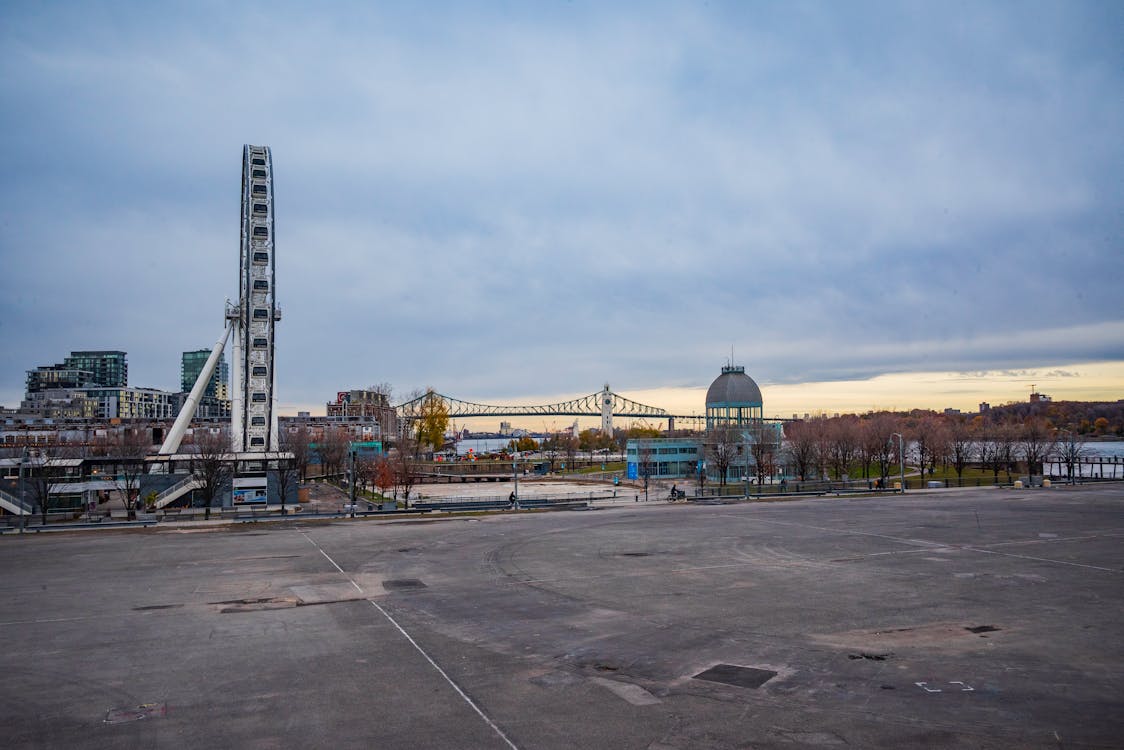
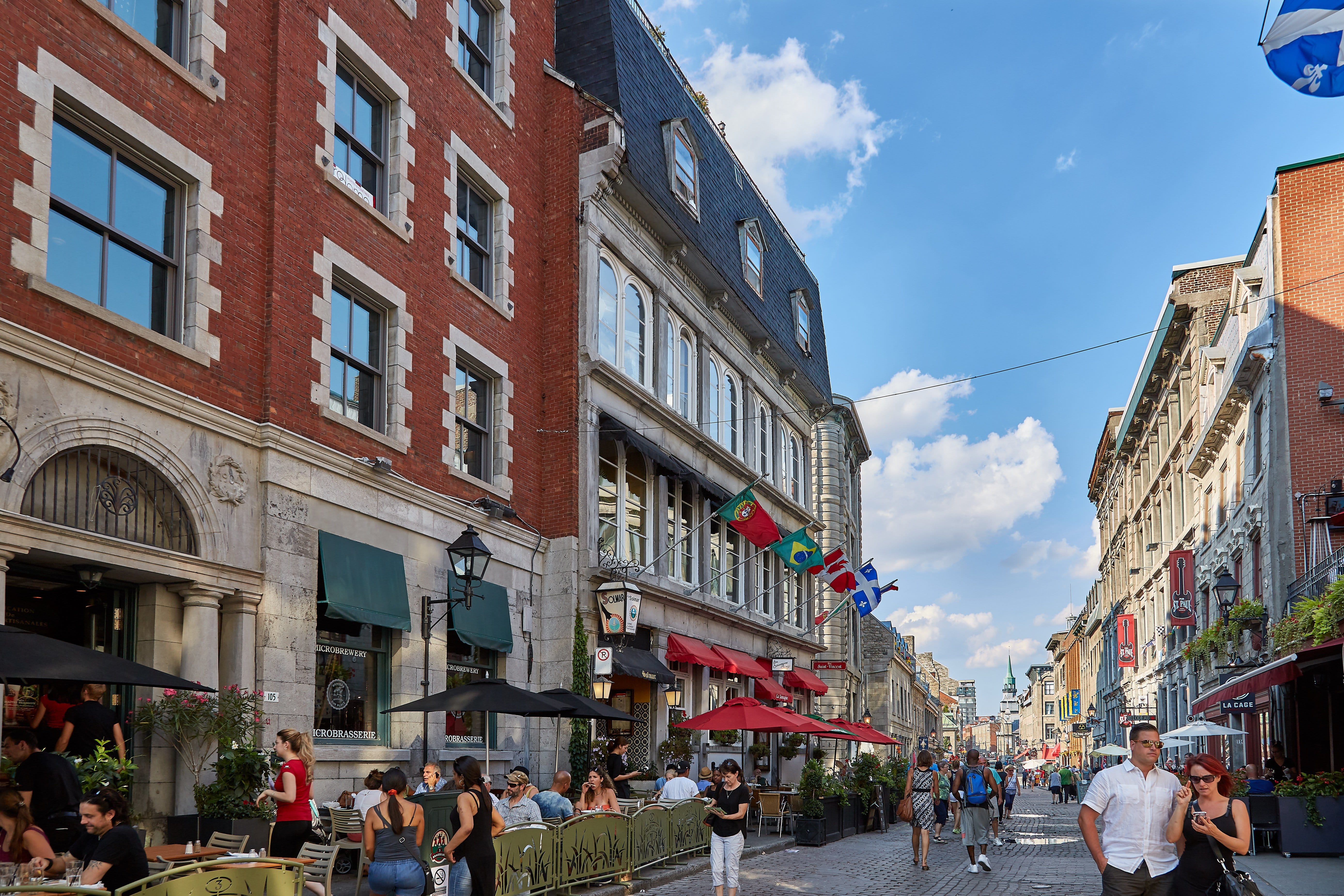
Drop your bags and head straight for Old Montreal. This neighbourhood is the oldest part of the city, built along the banks of the St. Lawrence River in the 17th century, and it feels like stepping through a portal into another era. The streets are paved with grey stone, the buildings are low and thick-walled, and every other doorway seems to lead into something worth exploring. Your first stop should be the Basilique Notre-Dame de Montréal, one of the most breathtaking interiors in North America. Nothing fully prepares you for it. The deep blue vaulted ceiling, hand-painted with thousands of gold stars, the intricately carved wood panels lining the nave, the sheer scale of it, you will want at least an hour to take it in properly. In the evenings, the basilica hosts the Aura light and sound show, which transforms the space into something genuinely otherworldly. If you are visiting during those hours, book tickets in advance. From Notre-Dame, stroll up Rue Saint-Paul, the oldest street in Montreal. Stop into the shops, pause at the galleries, and grab a coffee at Olive et Gourmando, a bakery-restaurant hybrid beloved by locals for its extraordinary sandwiches and house-baked pastries. Come early, because the line forms fast.
Afternoon
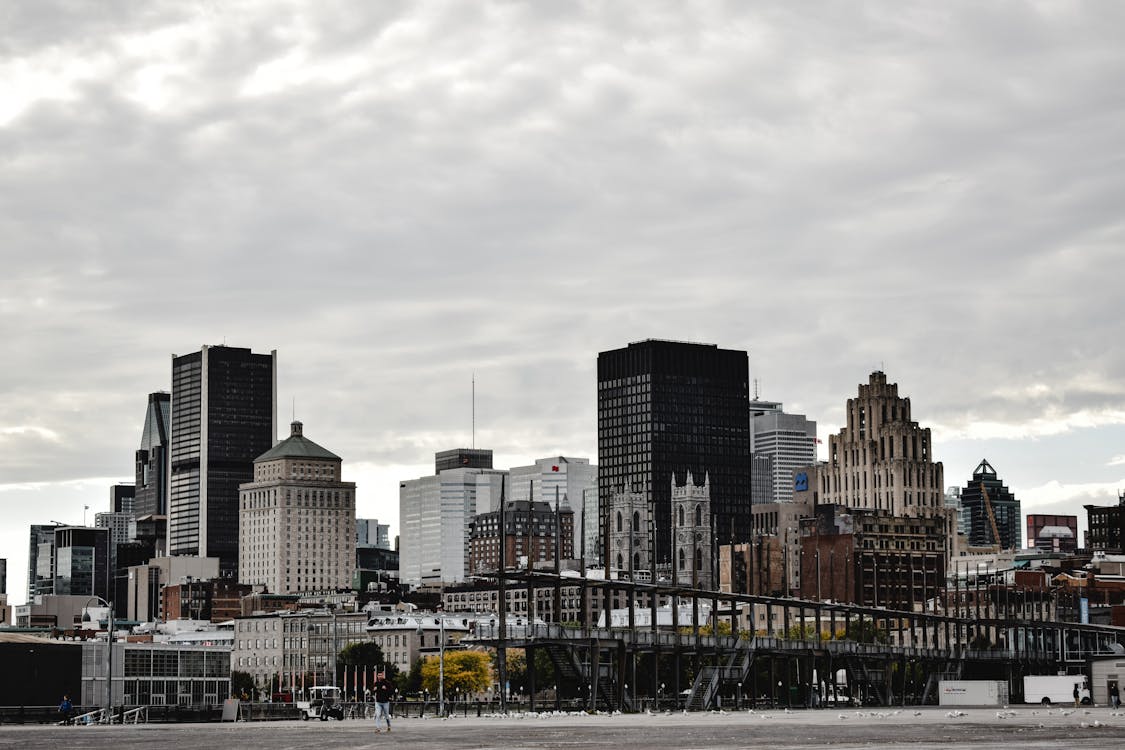
After lunch, walk down to the Old Port waterfront. The port area has been beautifully transformed into a public promenade along the St. Lawrence, with stunning views back toward the city skyline. In summer there are food stalls, pop-up markets, and a constant stream of activity. In winter, the outdoor rink here becomes one of the most magical skating spots in Canada. Head toward the Marché Bonsecours, a grand neoclassical building with a distinctive silver dome that has served as a market, city hall, and now a showcase for Quebecois artisans. It is worth going in, the crafts and locally made goods on sale here make for far better souvenirs than anything you would find in an airport shop. From there, explore the narrow streets of the old city at your own pace. Pop into the Pointe-à-Callière Museum if history is your thing, it sits directly above the archaeological ruins of the original city, and the excavations are fascinating. Otherwise, just walk. The streets of Vieux-Montréal reward aimless wandering more than almost any neighbourhood in North America.
Evening
For dinner, stay in Old Montreal. The neighbourhood has elevated its food scene considerably in recent years, and you are spoiled for choice. Toqué! is the legendary fine-dining institution that more or less defined modern Quebec cuisine, if you are celebrating something, book ahead. For something more casual, look for a spot along Rue Saint-Paul or head into the laneways for something unexpected. After dinner, walk back along the waterfront or head up to Place Jacques-Cartier, the main square of Old Montreal, where street performers, buskers, and a general sense of festivity gather in the warmer months. Have a drink somewhere with a terrace and let the first evening settle in.
The full guide includes specific hotel picks in Old Montreal, restaurant booking tips for Toqué! and Olive et Gourmando, and the best Aura show times.
Download the Complete Montreal Guide for all the logistics, prices, and insider details.
Day 2 in Montreal. Mount Royal, Mile End Bagels, and the Plateau
Morning
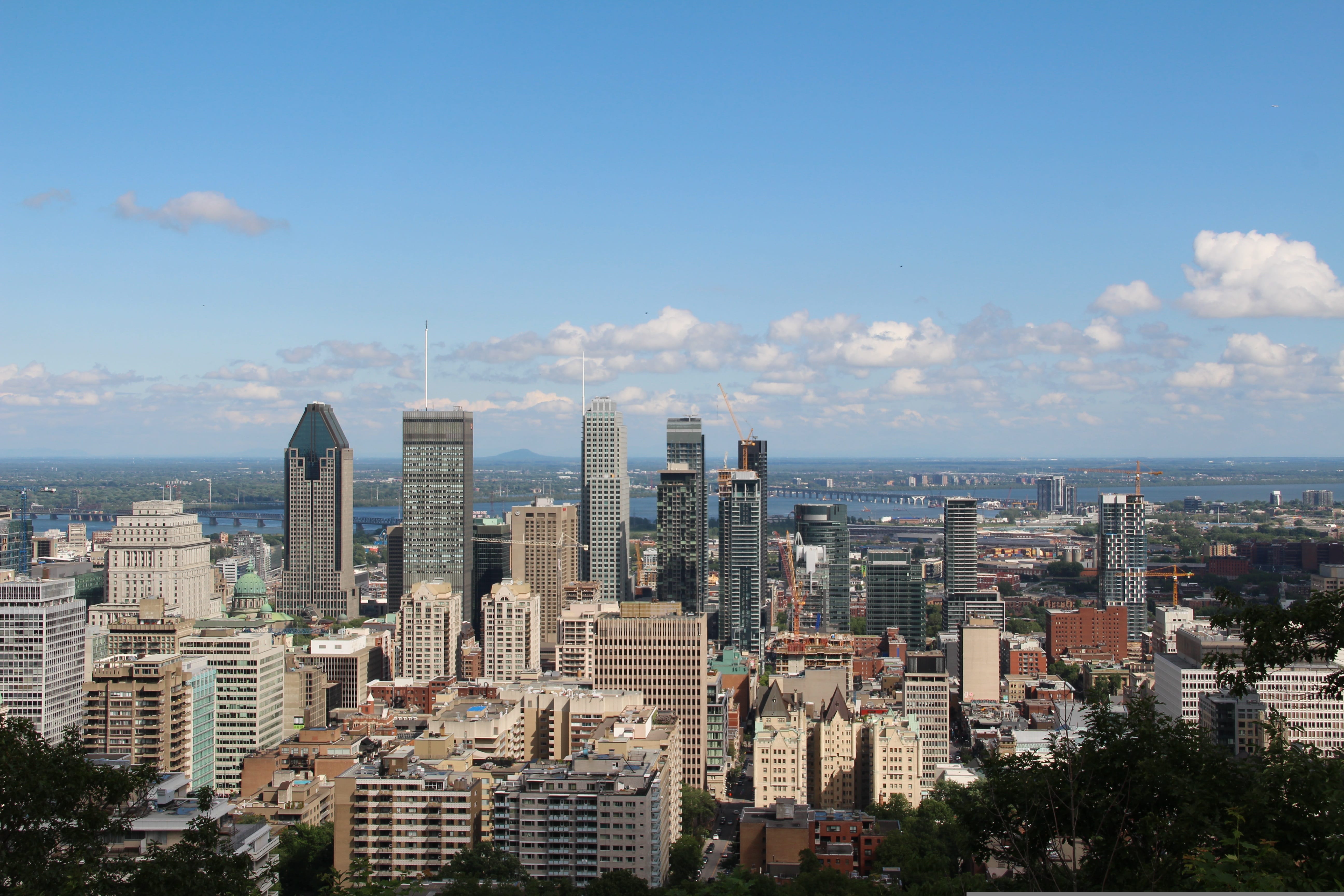
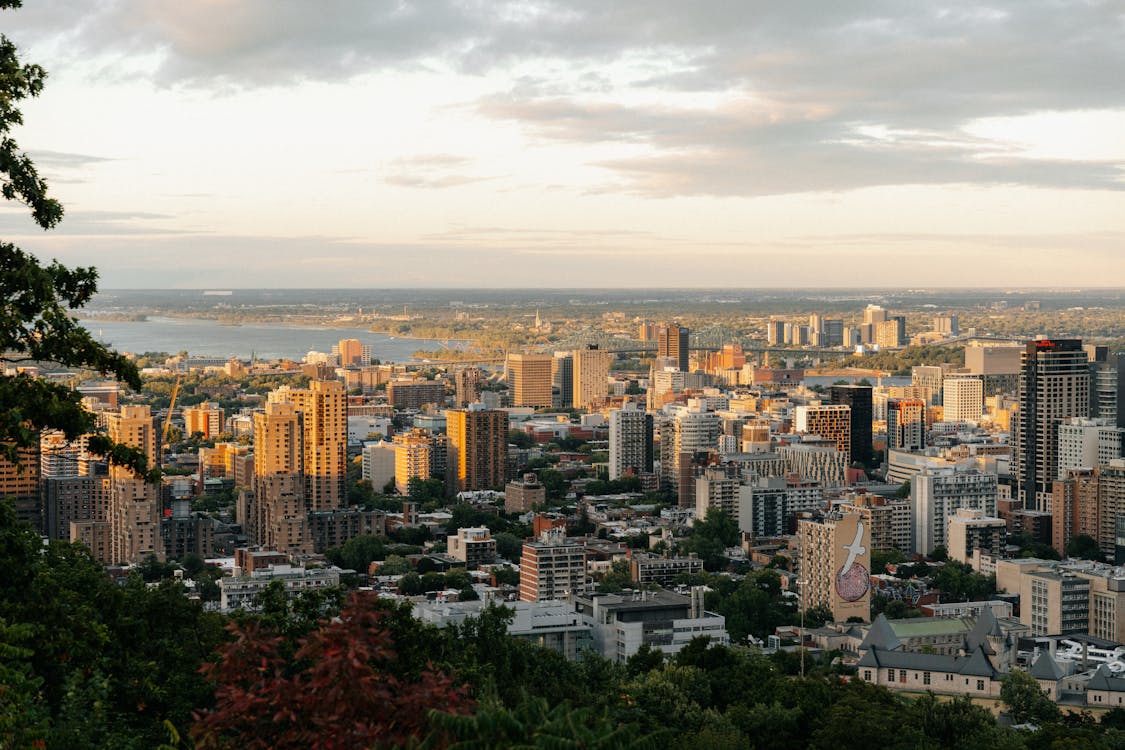
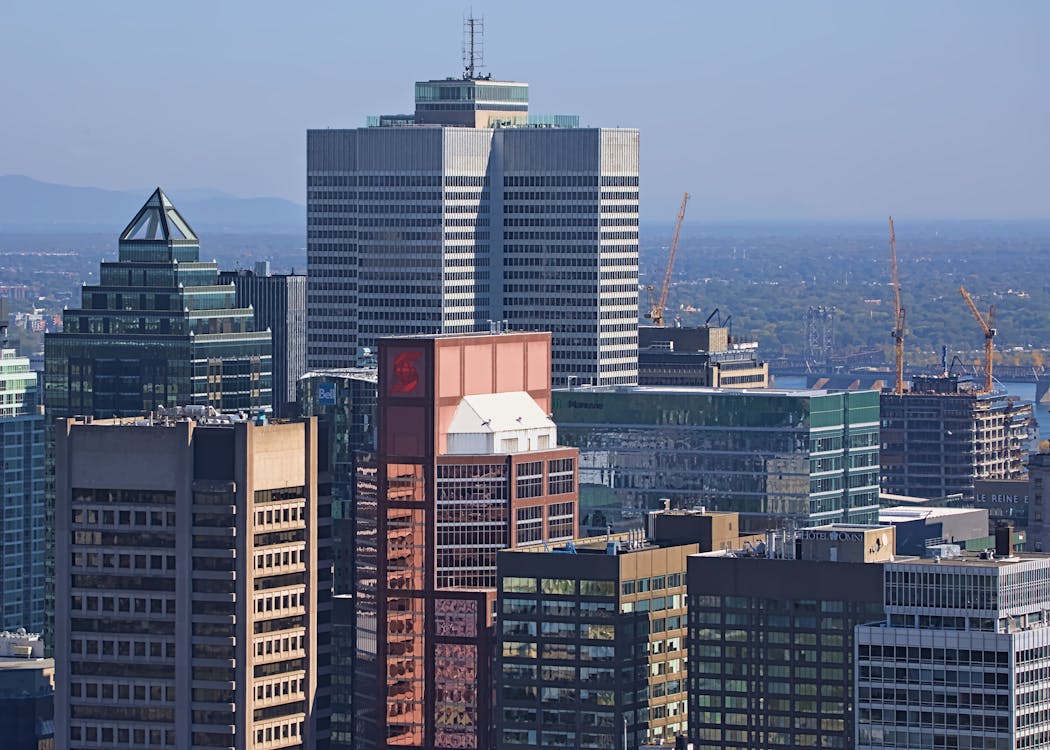
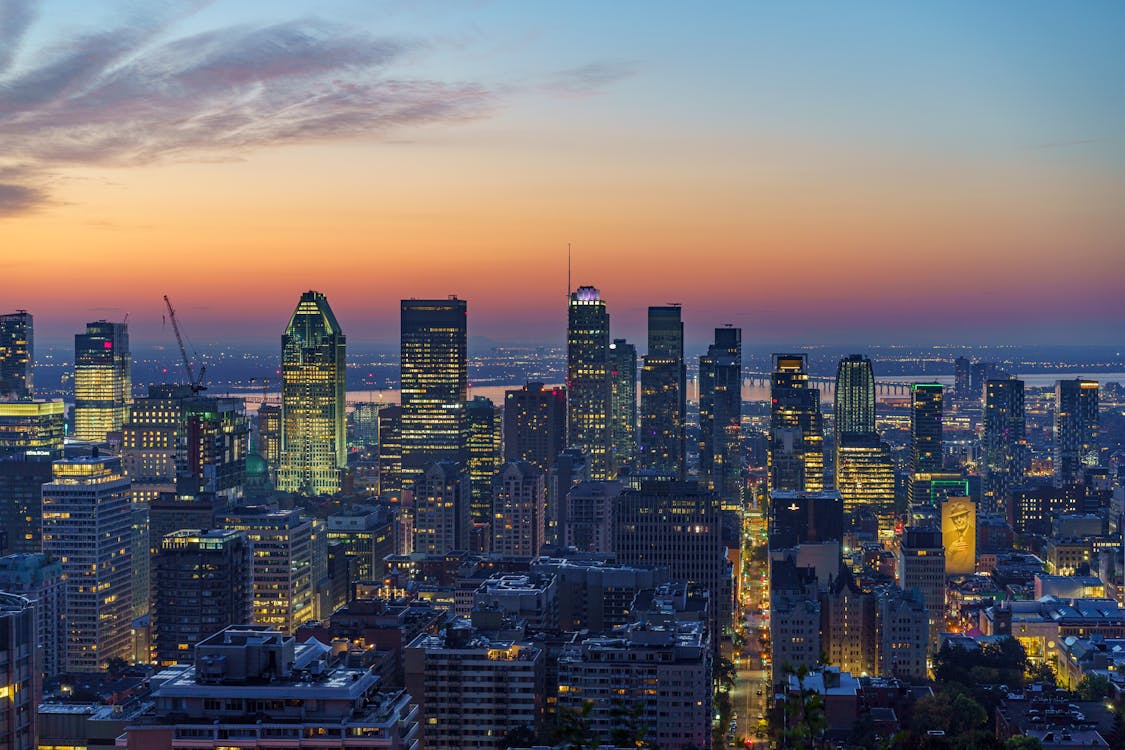
Start Day 2 with a proper Montreal bagel. This is not optional. The city’s bagel culture is a point of fierce, affectionate civic pride, and the debate between Fairmount Bagel and St-Viateur Bagel has been running for decades without resolution. Fairmount was established first. St-Viateur, a short walk away in Mile End, is arguably the more atmospheric, it is open 24 hours, seven days a week, and the wood-fired ovens are always going. Get a half-dozen of each and do your own taste test. Sesame or poppy seed, toasted or not: the choice is yours, but do not skip the cream cheese. After bagels, make your way to Mount Royal Park. The mountain that gives the city its name rises gently above the Plateau neighbourhood, and the park that covers its summit is one of the great urban parks in North America. Designed by Frederick Law Olmsted, the same landscape architect behind Central Park in New York, it is a mix of wooded trails, open meadows, and one extraordinary viewpoint at the Kondiaronk Belvedere. The belvedere is where you want to be. From this terrace, you get the full panorama of Montreal stretching out below you: the downtown skyline, the Old Port, the St. Lawrence River, and on clear days, the mountains of Vermont in the distance. Allow time to just stand there and take it in. You will understand the city much better from this vantage point.
Afternoon
Come down from the mountain into the Plateau-Mont-Royal neighbourhood, one of the most distinctly Montrealer parts of the city. The Plateau is famous for its brightly coloured exterior staircases that curve and twist up to front doors, a quirky architectural feature born of practical necessity that has become one of the city’s visual signatures. Walk along Avenue du Mont-Royal, the commercial heart of the Plateau. This stretch is full of vintage shops, independent bookstores, coffee houses, and neighbourhood restaurants that cater almost exclusively to locals. Stop at La Banquise for poutine, this institution has been open 24 hours for years and serves over 30 varieties of Quebec’s national dish, from the classic to the frankly experimental. From the Plateau, it is a short walk into Mile End, the neighbourhood that gave the world Leonard Cohen and the bagel. Mile End has a particular creative energy, you will find recording studios above delis, galleries tucked between hardware stores, and the kind of coffee shops where serious-looking people type on laptops next to tables of elderly men playing cards. Walk along Saint-Laurent Boulevard and Avenue Bernard and just absorb the atmosphere.
Evening
For dinner, Mile End and the Plateau are full of good options. Wilensky’s Light Lunch is a Montreal institution, a tiny diner that has been in operation since 1932 and still serves the same grilled salami and bologna sandwich on a toasted roll, pressed flat on the grill, with mustard. It sounds humble, and it is, but there are reasons why people make pilgrimages here. For something more substantial, the neighbourhood is thick with terrific restaurants at every price point.
Day 3 in Montreal. Jean-Talon Market, the Botanical Garden, and Little Italy
Morning
Spend your third morning at the Marché Jean-Talon, in the Little Italy neighbourhood of Rosemont. This is one of the largest outdoor markets in North America, and it is spectacular. The market runs year-round, but if you are visiting between May and October, you are in for something special: dozens of stalls overflowing with strawberries, tomatoes, corn, heritage squash, fresh flowers, local cheese, artisanal charcuterie, and honeys in every flavour imaginable. Jean-Talon is not primarily a tourist market. Most of the people shopping here are locals doing their weekly grocery run, and the atmosphere reflects that, purposeful, cheerful, and alive with French being spoken at full volume. Wander through the entire market before you buy anything. There is a lot to take in, from the produce stalls that ring the outer perimeter to the specialty vendors tucked in the indoor section selling smoked fish, specialty olive oils, and fresh pasta.
Afternoon
After the market, walk or take the metro over to the Montreal Botanical Garden on Sherbrooke Street East, adjacent to the Olympic Park. The garden is one of the largest and most celebrated in the world, covering 75 hectares and containing 10 thematic greenhouses and about 30 themed outdoor gardens. The Japanese Garden and the Chinese Garden are particularly extraordinary. In autumn, the Mosaïcultures exhibition transforms sections of the grounds into massive living sculpture installations. Across from the botanical garden, the Olympic Park complex, built for the 1976 Summer Games, is a striking piece of architecture, dominated by the inclined tower of the Olympic Stadium. You can take a funicular to the top of the tower for views over the city. The Biodome, also within the park, re-creates four distinct North American ecosystems under one roof: tropical rainforest, Laurentian maple forest, Gulf of St. Lawrence, and the sub-Antarctic islands.
Evening
Return to Little Italy for dinner. The neighbourhood along Rue Jean-Talon and Boulevard Saint-Laurent has a fine roster of Italian restaurants, from old-school red-sauce places to modern trattorias. Grab a gelato from one of the Italian-run shops after dinner and walk it off along the streets. Little Italy has a more relaxed pace than the Plateau, and the evenings here have a settled neighbourhood feel worth savouring.
Day 4 in Montreal. Art, Underground Passages, and a Bittersweet Farewell
Morning
Start your final full day at the Musée des Beaux-Arts de Montréal, one of the finest art museums in Canada. The museum’s permanent collection spans everything from ancient Egyptian artefacts to contemporary Quebecois painting, and the building itself, a sprawling complex connected by underground passages, is worth the visit for its architecture alone. There are always significant temporary exhibitions running alongside the permanent collection, so check what is on before you arrive. After the museum, explore the stretch of Sherbrooke Street West that runs through the Golden Square Mile neighbourhood. The late 19th-century mansions along this stretch were built by the Canadian business elite and several have been converted into embassies, private clubs, and boutique hotels. The architecture is extraordinary.
Afternoon
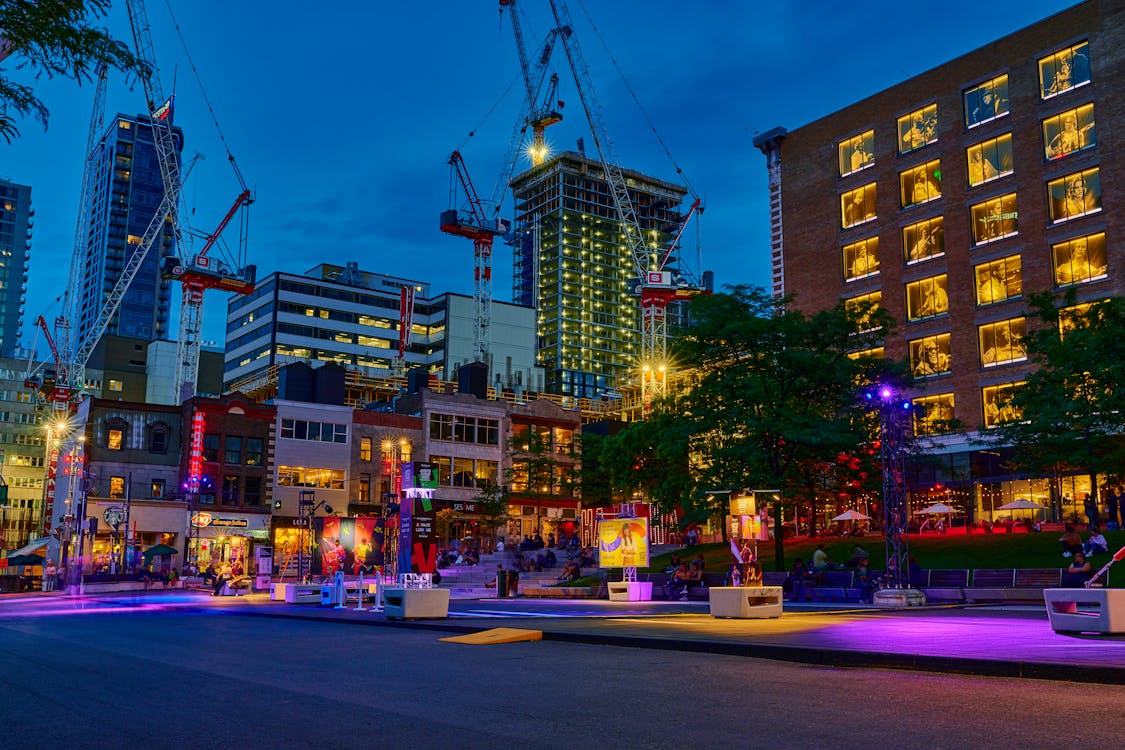
Spend your final afternoon in the Underground City, known locally as the RÉSO. This is one of Montreal’s most remarkable urban achievements: 33 kilometres of tunnels connecting downtown hotels, shopping centres, office towers, universities, and metro stations, allowing residents to move through the entire downtown core in winter without ever going outside. The underground city has its own shops, restaurants, and services, and navigating it is one of those genuinely singular city experiences you will not find anywhere else. If you have been keeping an eye out for smoked meat and have not yet made it to Schwartz’s Deli, now is the time. The original location on Saint-Laurent Boulevard has been open since 1928 and still operates exactly as it always has: medium-fat smoked meat on rye with mustard, a dill pickle, and coleslaw on the side. The line is usually out the door; the wait is absolutely worth it.
Evening. Farewell
For your final dinner in Montreal, go somewhere that feels properly celebratory. Joe Beef, the iconic restaurant in Little Burgundy, is the kind of place where the food is extraordinary and the atmosphere makes you feel like you are in on something. It is heavy on Quebec products, fish, and meat, with a wine list that has become its own kind of legend. Book several weeks ahead. After dinner, take one last walk. Back through Old Montreal, along the waterfront, up to a rooftop bar with a view of the skyline illuminated against the sky. Montreal is a city that earns a long goodbye.
Why You Need the Full Montreal Guide
This post gives you the overview. It tells you where to go, what neighbourhoods matter, and which experiences you absolutely cannot skip. But the full 4-Day Montreal Travel Guide goes much deeper than a blog post can. Inside the guide, you will find eight specific hotel recommendations across different price points and neighbourhoods, with booking links and notes on what makes each one worth considering. You will find a curated restaurant list for each day, with addresses, price ranges, reservation tips, and the dishes to order. You will also find the complete packing list for Montreal in every season, transit directions between attractions, estimated costs for every major activity, insider tips that do not make it into standard travel content, and a day-by-day schedule you can follow or adapt as you go. Montreal rewards preparation. The city is big enough that a vague plan will leave you wandering in the wrong direction at the wrong hour. The full guide makes sure every hour counts.
Ready to plan your Montreal trip the right way?
Final Thoughts on Montreal
Montreal is one of those rare cities that manages to be simultaneously sophisticated and unpretentious, globally connected and fiercely local. It has world-class food, extraordinary museums, and a nightlife scene with genuine depth. It also has bagels baked in wood-fired ovens at 3am, churches that take your breath away, parks designed by masters of landscape architecture, and a way of living that feels genuinely distinct from anything else in North America. Four days gives you a meaningful introduction. You will leave having seen the highlights, having eaten things you will be thinking about weeks later, and having understood what makes this city tick. But you will almost certainly leave wanting more time. That is how Montreal works. Pack your appetite, bring comfortable walking shoes, and leave room in your suitcase for local cheese and smoked meat. Montreal is waiting.
Before you go, grab the full guide so nothing gets left behind.
Get the Complete 4-Day Montreal Travel Guide and travel with confidence from Day 1.
More destination guides
More destinations planned the same way:
Want a version built around your own dates and pace? I make custom travel itineraries, and the full guide library covers plenty of other cities. The free travel budget planner helps before you commit.