Where Aztec Ruins, Art Deco Streets and the Best Food in the Americas Share One Valley
By The Next Stamp Travel Co. | Published August 2026
In This Guide:
- Why Mexico City
- What This Itinerary Covers
- Day 1 in Mexico City, the Centro Historico and the Night of the Grito
- Day 2 in Mexico City, Chapultepec Museums and Polanco Dining
- Day 3 in Mexico City, Coyoacan, Casa Azul and Colonial San Angel
- Day 4 in Mexico City, Roma Norte and Condesa on a Food First Route
- Day 5 in Mexico City, Teotihuacan and a Mariachi Farewell
- Why You Need the Full Mexico City Guide
- Final Thoughts on Mexico City
- Watch Before You Go, Mexico City Travel Video
Why Mexico City
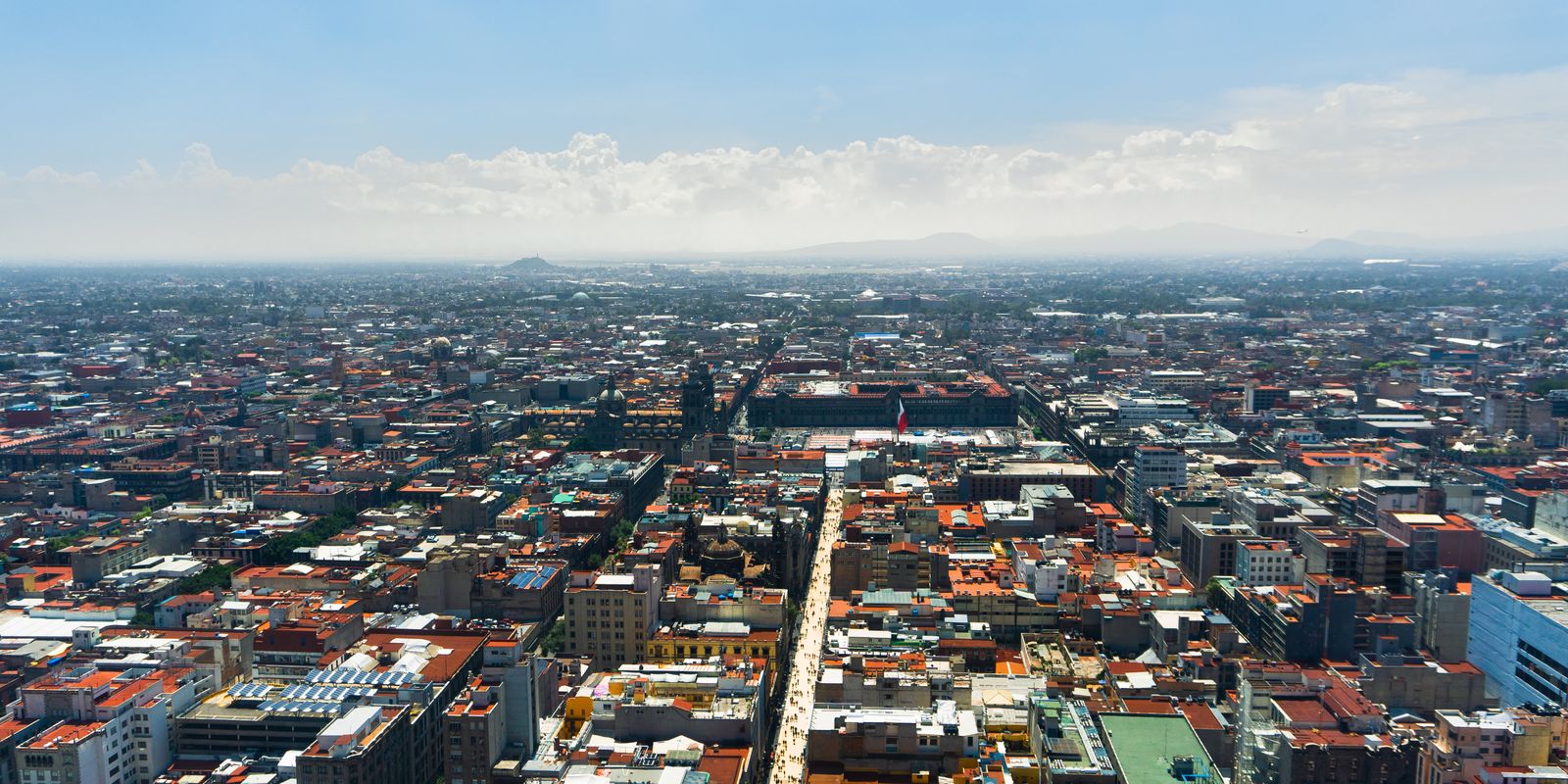
Mexico City does not ease you in. You land, you drive through a valley that holds more than twenty million people, and within an hour you are standing on a square where an Aztec temple, a Spanish cathedral and the seat of the Mexican government are all within a hundred meters of each other, all of them slowly sinking into the bed of a lake that was drained four centuries ago. Nothing about it is tidy, and that is exactly the point. This is the oldest continuously inhabited capital in the Americas, and every era it has lived through is still visibly arguing with the ones on either side of it.
What surprises almost everyone on a first trip is how green and how walkable it is. Roma Norte and Condesa are dense Art Deco neighborhoods built around parks, with jacaranda trees overhead and a restaurant worth stopping for on nearly every corner. Coyoacan and San Angel, out to the south, are colonial villages the city grew around without ever quite absorbing, still cobblestoned and still quiet on a weekday afternoon. Bosque de Chapultepec is twice the size of Central Park and has the finest archaeological museum in the hemisphere sitting inside it. You will walk far more than you planned to, and you will not mind.
And then there is the food, which is the honest reason most people come back. This is a city where a two dollar taco stand and a restaurant ranked among the ten best in the world can both be worth planning your day around, and where the line between them matters far less than you would expect. Lunch is the main meal here, it starts at two in the afternoon, and it is not something you rush. If you spend 5 days in Mexico City and eat well, you will leave with your entire idea of Mexican food rebuilt from the ground up.
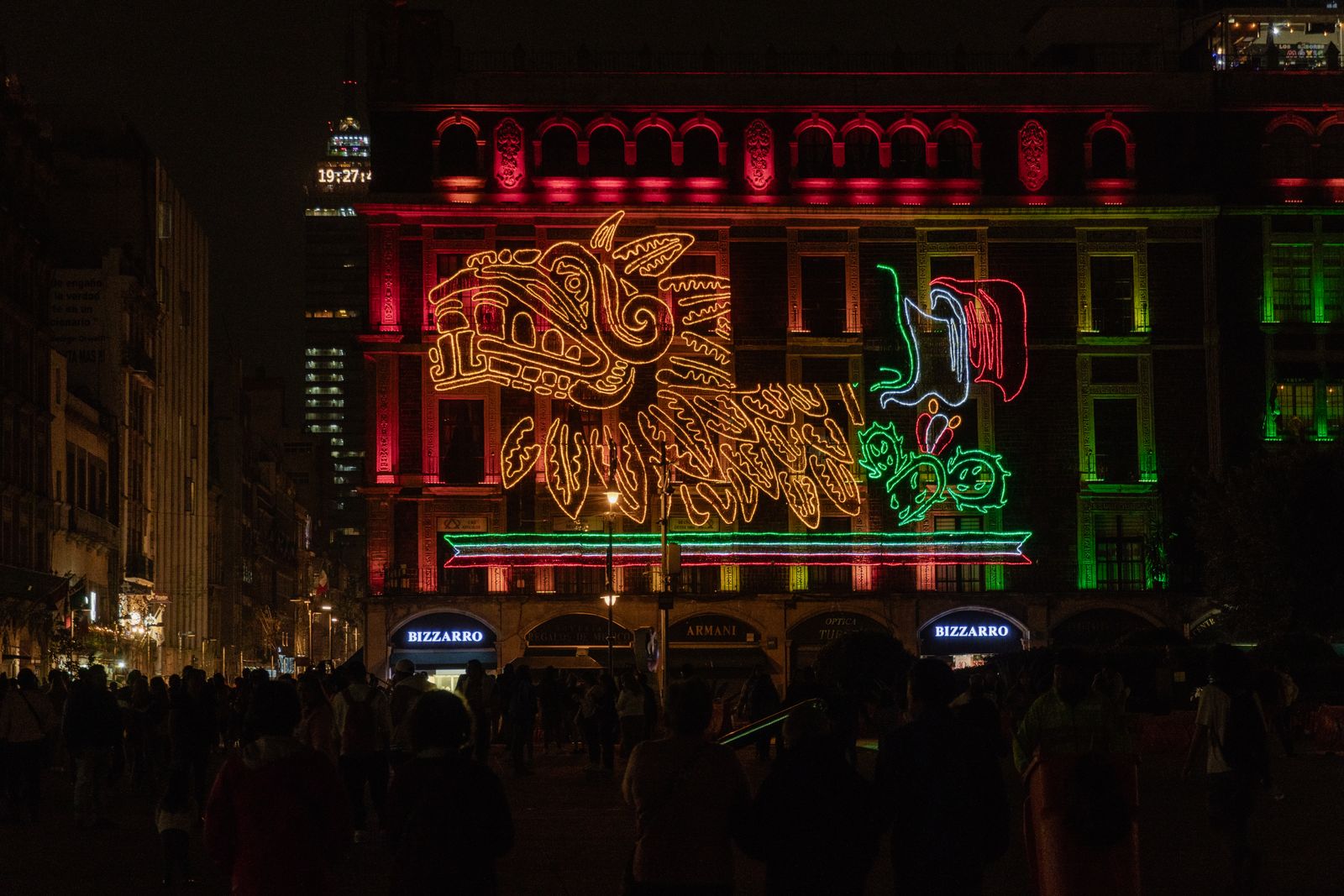
Time it right and you get something extra. In the week around September 15 and 16 the whole capital turns green, white and red for Fiestas Patrias, chiles en nogada appear on every menu in the city, and on the night of the fifteenth roughly a hundred thousand people fill the Zocalo to shout back at the president as he rings the bell of Dolores. There is no more electric week to be in Mexico. This trip is built for first timers, for couples, for solo travelers, and above all for people who choose a destination because of what is on the plate and who want a plan that is genuinely local rather than a list of the same six landmarks.
Mexico City At a Glance
- Best time to visit: Mid September for Fiestas Patrias and green, clear weather, or late March for the jacarandas. Avoid nothing, this city has no bad season.
- Where to stay: Roma Norte or Condesa for walkability and food, the Centro Historico if you are here for the Grito, Polanco for museums and fine dining.
- What to expect: Altitude of 2,240 meters, cool evenings year round, a hard ninety minute rain shower most September afternoons, and lunch as the main meal starting at two.
- Hidden gems: Museo Anahuacalli, included free with your Casa Azul ticket and almost never used. The Capilla del Cerrito above the Basilica. Bosforo, the mezcaleria with no sign.
- Local tip: Buy a Movilidad Integrada card at any metro station. Rides cost five pesos, it works on the Metrobus and the Ecobici bikes, and it will save you a small fortune in ride shares.
What This Itinerary Covers
Five days, five distinct halves of the city, each one built as a single walkable zone so you are never crossing town between lunch and your next stop. Day 1 is the Centro Historico, the Aztec and colonial layers stacked on top of each other, and the Fiestas Patrias celebration if your dates line up. Day 2 is Chapultepec and Polanco, the great museums in the morning and the country’s most celebrated dining room at night. Day 3 goes south to Coyoacan and San Angel for Frida Kahlo’s Casa Azul, market tostadas and colonial plazas. Day 4 is the food first day through Roma Norte and Condesa. Day 5 heads an hour northeast to the pyramids of Teotihuacan and comes back for mariachi in Plaza Garibaldi.
The pace is deliberate rather than frantic. Mornings are for the ruins, the museums and the markets, before the heat and before the crowds. Afternoons are for one long Mexican lunch that you do not schedule anything after. Evenings are for the plazas, the cocktail bars and a late dinner, with the September rain window built into the plan rather than ignored. You are at 2,240 meters here, and a trip that respects that fact is a far better trip than one that does not.
Ready to skip the research and go straight to the trip? We built a complete, done for you Mexico City travel guide covering hotels, restaurants, attractions and all the logistics you need. Grab your copy here and start planning with confidence.
Day 1 in Mexico City, the Centro Historico and the Night of the Grito
Morning
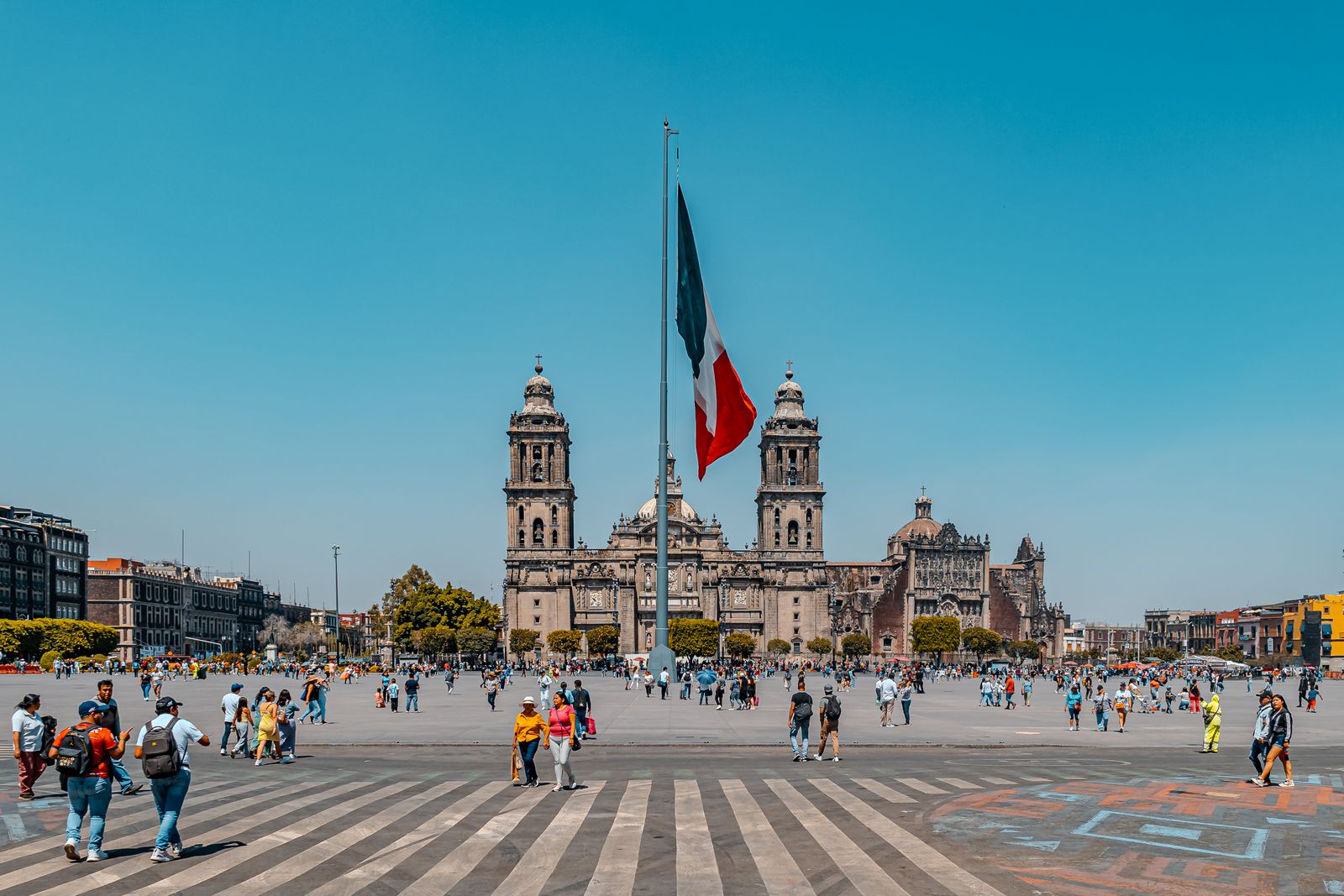
Start at El Cardenal on Calle de la Palma, a wood paneled dining room where waiters in waistcoats have been serving the same breakfast for decades. Order the nata, a bowl of thick clotted cream that arrives with a basket of sweet bread, and the hot chocolate whisked at your table with a wooden molinillo. Get there before 8:30am on a weekday and you will walk straight in. After that, it is a three minute walk to Templo Mayor, the excavated core of Tenochtitlan sitting open to the sky beside the Cathedral. Go to Room 8 for the Tlaltecuhtli monolith first, before the tour groups reach the museum, then walk the raised catwalk over the layered pyramid stages.
Afternoon
Cross the Zocalo to Palacio Nacional, where Diego Rivera compressed the entire history of Mexico onto a single staircase wall. Entry is free but you need your passport, and access closes without warning around state events, so check the day before. Lunch is at Azul Historico, a courtyard restaurant under enormous ficus trees inside a 17th century palace on Isabel la Catolica, where the mole rotates by region through the week. Reserve for two in the afternoon, which is when the light through the canopy is at its best. Finish the afternoon on the 44th floor of the Torre Latinoamericana about an hour before sunset, when the whole valley turns gold and then starts switching its lights on.
Evening
If you are here on September 15, this is the night. The plaza is fenced with security screening at every entrance, the Zocalo metro station closes, and you need to be through a checkpoint by seven if you intend to be inside when the bell rings at eleven. If that sounds like too much, the neighborhood gritos in Coyoacan and San Angel run the identical ceremony at the same hour with a tenth of the crowd. Dinner is on the terrace at Balcon del Zocalo, looking straight across at the Cathedral, and a last drink belongs at Bar La Opera, an 1876 cantina with a carved mahogany bar and a bullet hole in the ceiling the staff will happily attribute to Pancho Villa.
Day one is the deep end on purpose. Tomorrow the city opens out into parkland and museums.
Day 2 in Mexico City, Chapultepec Museums and Polanco Dining
Morning
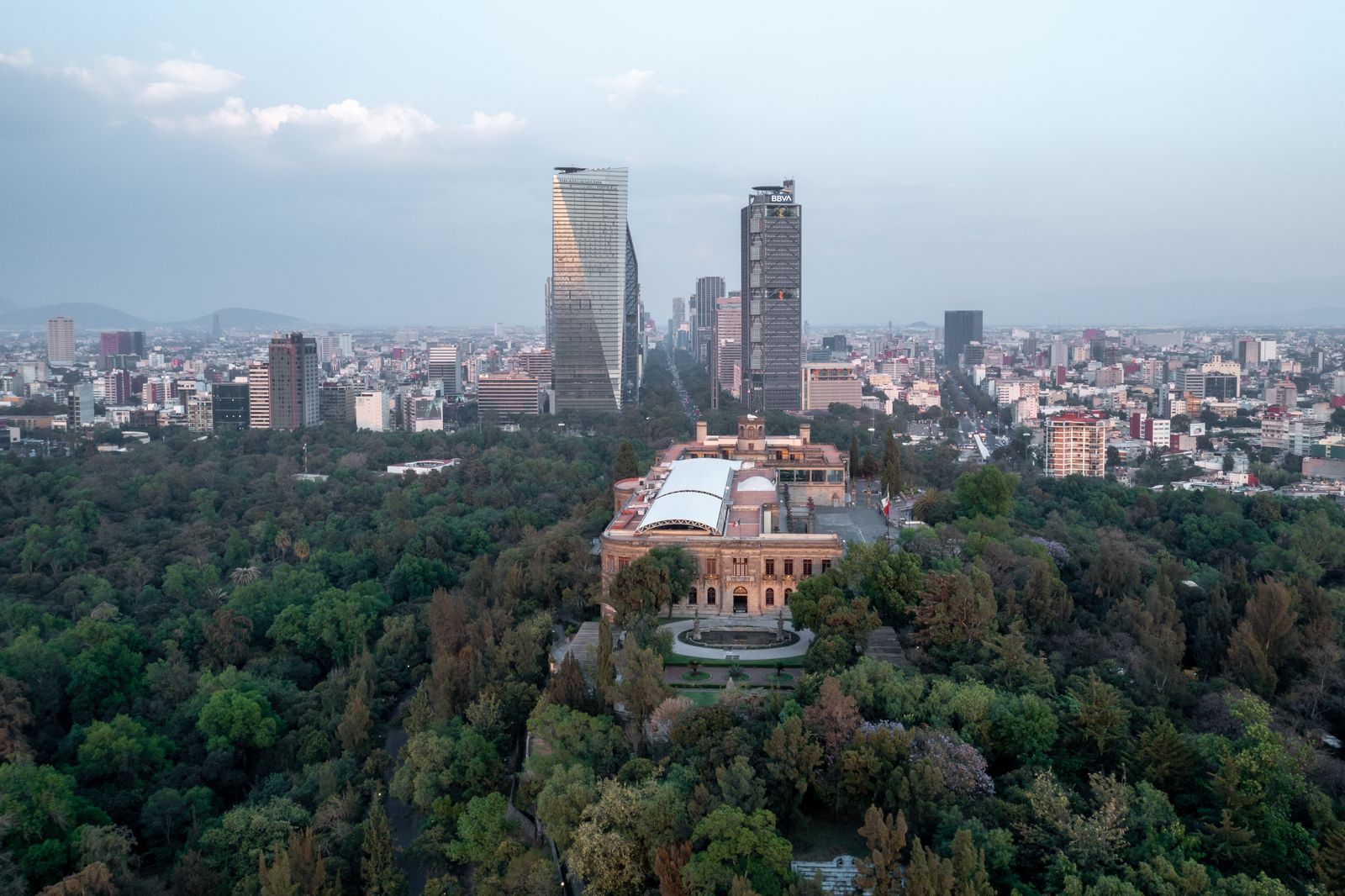
Breakfast at Cafebreria El Pendulo in Polanco, a bookstore cafe with trees growing up through the middle of the room and a balcony above the shelves. Then give the morning entirely to the Museo Nacional de Antropologia, which is not just the best museum in Mexico but one of the great museums anywhere. Do not start at the entrance and work clockwise like everyone else. Walk straight through the courtyard to the Mexica hall while it is still empty, stand in front of the Sun Stone, then work backward through Teotihuacan, the Toltecs and Oaxaca. Three hours is the minimum, and the upper floor on living indigenous cultures is almost always empty and reframes everything below it.
Afternoon
Lunch at El Turix, a standing room counter in the most expensive neighborhood in Mexico serving Yucatecan cochinita pibil for a couple of dollars a taco. There is no menu in English and no seats. Point at what the person ahead of you ordered, and go easy on the habanero. Afterwards, walk to Plaza Carso for Museo Soumaya, the silver hexagon holding the largest Rodin collection outside France, free to everyone, every day. Take the elevator to the top floor and spiral your way down. Museo Jumex is fifty meters across the plaza and holds the sharpest contemporary programming in the country, though it is worth checking what is on before you commit an hour to it.
Evening
Walk the length of Emilio Castelar past Parque Lincoln as Polanco comes out for the evening, then dinner at Pujol. Book the taco omakase counter rather than the main tasting menu if you want the more interesting meal, seven masa courses served fast at bar height, and the mole madre arrives regardless, continuously aged for well over a decade. Reservations open roughly a month ahead and the counter goes in minutes, so set an alarm. For a last drink, Jules Basement is entered through the door of a commercial refrigerator at the back of a taqueria on Julio Verne.
Day 3 in Mexico City, Coyoacan, Casa Azul and Colonial San Angel
Morning
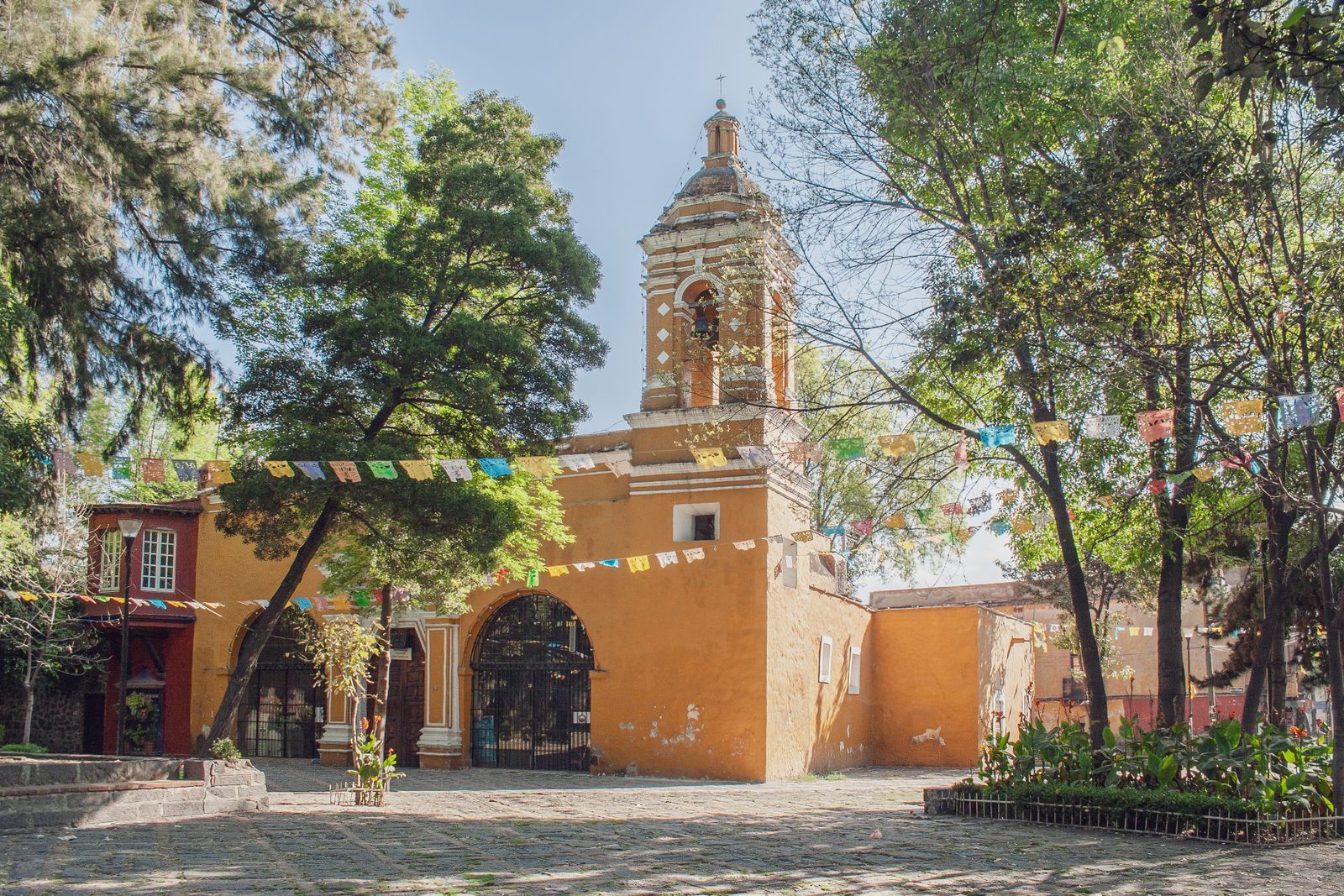
Head south to Coyoacan and start with a pour over at Cafe Avellaneda on Higuera, a coffee bar with room for about eight people and a queue on the cobblestones outside. Be there by 8:30am, because your Casa Azul entry should be the 10:00am slot. The Museo Frida Kahlo is the cobalt blue house where Kahlo was born and died, kept as she left it: the studio, the easel, the mirror above the bed, the corsets she painted on. Tickets are timed, sold online only, and in September they disappear three to five days ahead. There is no ticket window. Book it the moment your dates are fixed.
Afternoon
Lunch is five minutes away in the middle aisle of Mercado de Coyoacan, at the tostada stalls piled with ceviche, pulpo and tinga. Two tostadas and a michelada is a full meal and it is cash only. Then wander Jardin Centenario and Plaza Hidalgo, past the coyote fountain and the arcades on Carrillo Puerto, with a stop at the free and rarely busy Museo Nacional de Culturas Populares on Avenida Hidalgo. Buy an esquite from a street cart, corn in a cup with lime, chile, mayonnaise and cheese, which is the correct thing to be eating in Coyoacan at four in the afternoon.
All the exact addresses, opening hours, booking links and insider notes for these spots are documented in the full Mexico City guide, which is worth having open on your phone for the whole trip.
Evening
Fifteen minutes west takes you to San Angel, an even older colonial village of high walls and bougainvillea. If it happens to be Saturday, Bazar Sabado fills Plaza San Jacinto with the best craft market in the city. Look in at the Museo Casa Estudio Diego Rivera y Frida Kahlo, the pair of Juan O’Gorman functionalist houses, one blue and one pink, joined by a rooftop bridge. Dinner is at San Angel Inn, a 17th century Carmelite hacienda with stone arcades around a fountain courtyard, where the martini arrives table side in a small silver carafe packed in ice. Ask for a table on the arcade, and leave the shorts at the hotel.
Day 4 in Mexico City, Roma Norte and Condesa on a Food First Route
Morning
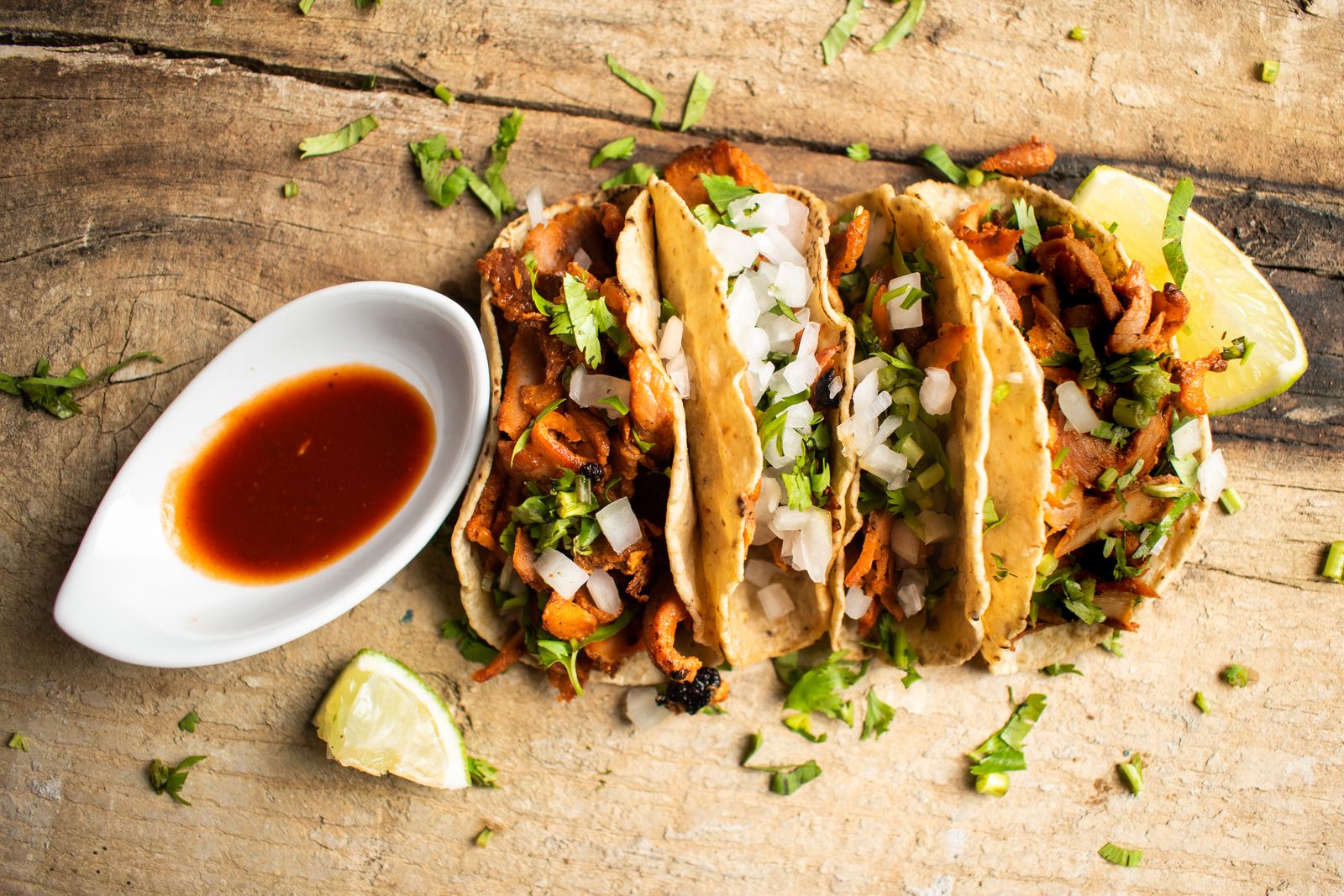
This is the day the trip is really built around. Start at Panaderia Rosetta on Colima, where Elena Reygadas bakes the guava and cream cheese rol that half of Roma Norte gets out of bed for. There are four tables. Arrive before 8:15am to sit, or buy a bag and eat it on a bench in Plaza Rio de Janeiro four minutes away. Then walk down to Mercado Medellin, the most international market in the city, stocked for Colombian, Cuban and Venezuelan communities alongside Mexican produce. Ask a vendor in the chile aisle to explain the difference between guajillo, ancho, pasilla and morita. They will, at length, and it will change how you read every menu for the rest of the trip.
Afternoon
Lunch at Contramar, which is the happiest room in Mexico City: white tiled, loud, and full of tables of friends who arrived at one and will leave at five. Order the tuna tostadas and the pescado a la talla, split red adobo and green herb down the middle. Reserve well ahead for a one o’clock table or walk in at noon exactly, because by half past one the wait is over an hour. In the afternoon, if you booked far enough in advance, visit Casa Luis Barragan, the UNESCO listed house of Mexico’s greatest modern architect, where the rooftop of pink and ochre planes against open sky is the famous image. Visits are by appointment only and fill two to four weeks out. Then walk the Avenida Amsterdam ring, a perfect oval because it was a horse racing track a century ago, and cut into Parque Mexico.
Evening
Aperitivo at Licoreria Limantour on Alvaro Obregon, the bar that started Mexico City’s cocktail era and a permanent fixture on the world’s best lists. Order the Margarita al Pastor, made with pineapple, coriander and chile, and get there by half past five to sit at the downstairs bar without waiting. Dinner is four minutes away at Maximo Bistrot, where the menu is rewritten every day around whatever came in from the Xochimilco chinampas and the Pacific that morning. If you still have energy, Handshake Speakeasy in Juarez is currently ranked the best bar in North America, and Baltra in Condesa is the excellent version that never needs planning.
Day 5 in Mexico City, Teotihuacan and a Mariachi Farewell
Morning
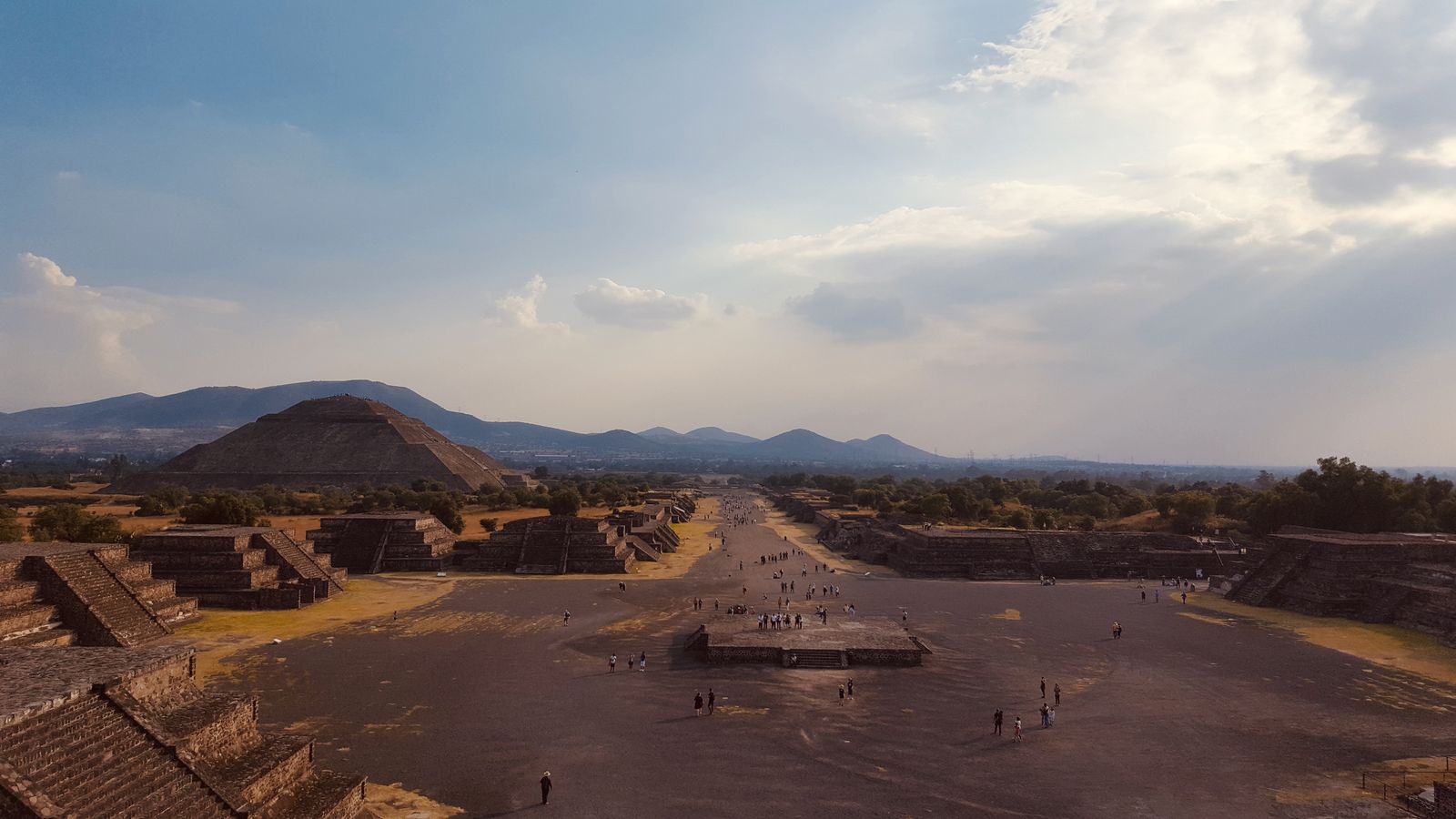
Leave the city by seven. Churreria El Moro on Eje Central has been open around the clock since 1935 and is the only good breakfast in the Centro at six in the morning, so take four churros and the thickest of the four chocolates and go. Teotihuacan is roughly an hour northeast, and arriving at opening means walking the two mile Avenue of the Dead in cool light and near silence, before the buses. Climbing the Pyramid of the Sun is restricted now, but the lower platform of the Pyramid of the Moon gives you the better photograph anyway, straight down the Avenue. Do not skip the Palace of Quetzalpapalotl and its jaguar murals just to the west.
Afternoon
Lunch at La Gruta, inside a volcanic cave beside Gate 5, open since 1906 and lit by candles and a single skylight. It is unashamedly touristic and it is also spectacular, and the sopa azteca and a glass of pulque are exactly right after four hours in the sun. On the way back into the city, stop at the Basilica de Guadalupe, the most visited Catholic shrine in the world, where a moving walkway carries you past the original tilma. Walk up the hill behind to the Capilla del Cerrito for a view over the whole complex that almost every visitor skips.
Evening
End where the city is loudest. Plaza Garibaldi has had mariachi bands waiting to be hired since the 1920s, dozens of groups in full charro all tuning at once, and paying one to play a single song at your table is the correct farewell. Step into Salon Tenampa on the north side, open since 1925, with murals of mariachi legends across every wall. Dinner afterwards at Limosneros, a stone walled colonial room cooking modern Mexican from native ingredients, escamoles and hoja santa and heirloom maize. Then, if you want the last drink of the trip to be memorable, Bosforo has no sign, no menu and one of the deepest mezcal selections in the country. You tell the bartender what you like and they pour.
Why You Need the Full Mexico City Guide
Everything above is a real, workable outline of 5 days in Mexico City, and if you followed only this blog post you would still have a very good trip. But a very good trip and a flawless one are two different things, and the whole distance between them lives in the details this post does not have room for.
The complete guide is forty pages and it is built to be open on your phone the entire time you are there. Every single stop across the five days carries its exact street address, its real opening hours, and a live clickable link, so you are never standing on a corner guessing. There are eight hotels compared properly across the Centro Historico, Roma Norte, Condesa and Polanco, with what each one is actually good for and a direct link to book. There are nine attractions written up with what to see first and when to arrive. There is a standalone restaurant section covering Pujol, Quintonil, Contramar, Rosetta, Maximo Bistrot and El Cardenal with addresses and booking pages. There is a full attire guide for cobblestones, altitude and Polanco dress codes, a five category packing checklist, and seven insider tip chapters that go well past anything in this post: how to do the Grito without the crush, the exact booking windows for Casa Azul, Pujol and Casa Luis Barragan, the transit card that halves your ride share spend, the reason Sunday is both the free museum day and the wrong day to visit one, and the tortilla test for telling a real taqueria from a tourist one at a glance.
You have already done the hard part by choosing Mexico City. The guide handles the rest, so that instead of researching opening hours at eleven at night in a hotel room, you are deciding which mezcal to order.
Your Mexico City adventure is waiting.
The complete guide has everything mapped out: hotels, restaurants, attractions, day by day logistics and insider tips built from real travel experience. Stop researching and start packing. Get the full guide here
Final Thoughts on Mexico City
People still ask whether Mexico City is worth it, and usually what they are really asking is whether it is safe and whether it is too big. The honest answer to both is that the neighborhoods in this itinerary, the Centro Historico, Roma Norte, Condesa, Polanco, Coyoacan and San Angel, are busy, walkable and full of families out until late, and that the size stops being intimidating the moment you stop trying to see all of it. Nobody sees all of Mexico City. You see five neighborhoods properly, and you leave already planning which five you will take next time.
What stays with you is not really any single landmark. It is the specific texture of the place: the smell of a trompo turning outside a taqueria at eleven at night, the way the Cathedral visibly leans, an entire plaza going quiet just before the bell rings on the fifteenth of September, and how good a two dollar tostada can be when you eat it standing up in a market. Five days is enough to feel all of that. It is not enough to be finished with it, which is rather the point.
Planning your trip? Drop a question in the comments below and we will answer it.
Ready to make it happen? Get the complete Mexico City travel guide here and start counting down the days.
More destination guides
More city guides built the same way:
Planning your own version of this trip? I build custom travel itineraries to order, and you can browse every ready-made guide here. Still deciding between destinations? The free trip comparison tool lays them side by side.