Last Updated: January 2026
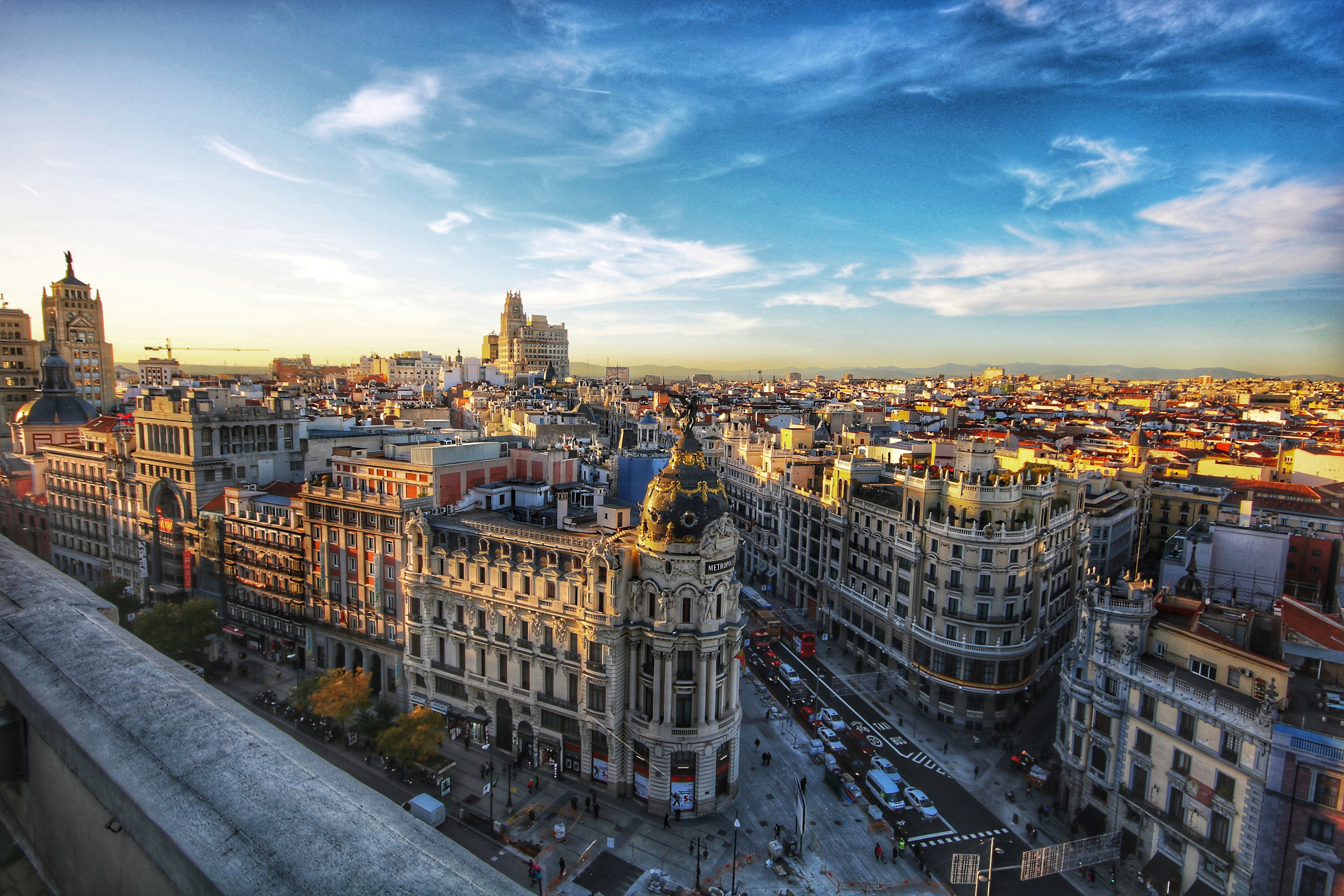
Madrid rewards travelers who look beyond the guidebook. While most visitors rush between the Prado and Royal Palace, Spain’s capital reveals its true character in neighborhood tapas bars, hidden plazas where locals gather for vermouth, and markets that haven’t changed in decades. This Madrid itinerary balances world-class museums with authentic experiences, taking you deep into barrios where Madrileños actually live.
Whether you have three days in Madrid or a full five-day exploration, this guide prioritizes substance over spectacle. You’ll discover why Madrid locals consider their city the most authentically Spanish capital in Europe, where tradition and contemporary culture coexist without the tourist crowds that overwhelm Barcelona or Seville.
Before You Go: Essential Madrid Planning
Best Time to Visit Madrid
Spring (March through May) and fall (September through November) offer ideal conditions for exploring Madrid’s neighborhoods on foot. Summer temperatures frequently exceed 35°C (95°F), making midday sightseeing uncomfortable. Many locals leave Madrid in August, and smaller restaurants close for vacation.
November through early March brings crisp weather perfect for museum days and tapas crawls. Pack layers, as Madrid’s dry climate means significant temperature swings between morning and evening.
Getting from Madrid Airport to the City
Madrid-Barajas Airport sits 12 kilometers from the city center. The Express Airport Bus (Línea Exprés) runs 24 hours to Atocha station and costs under €5. Metro Line 8 connects all terminals to central Madrid, requiring a supplement on your transit card.
Private airport transfers eliminate the stress of navigating public transport with luggage after international flights. Once you drop bags at your hotel, Madrid’s excellent metro system handles the rest.
Where to Stay in Madrid
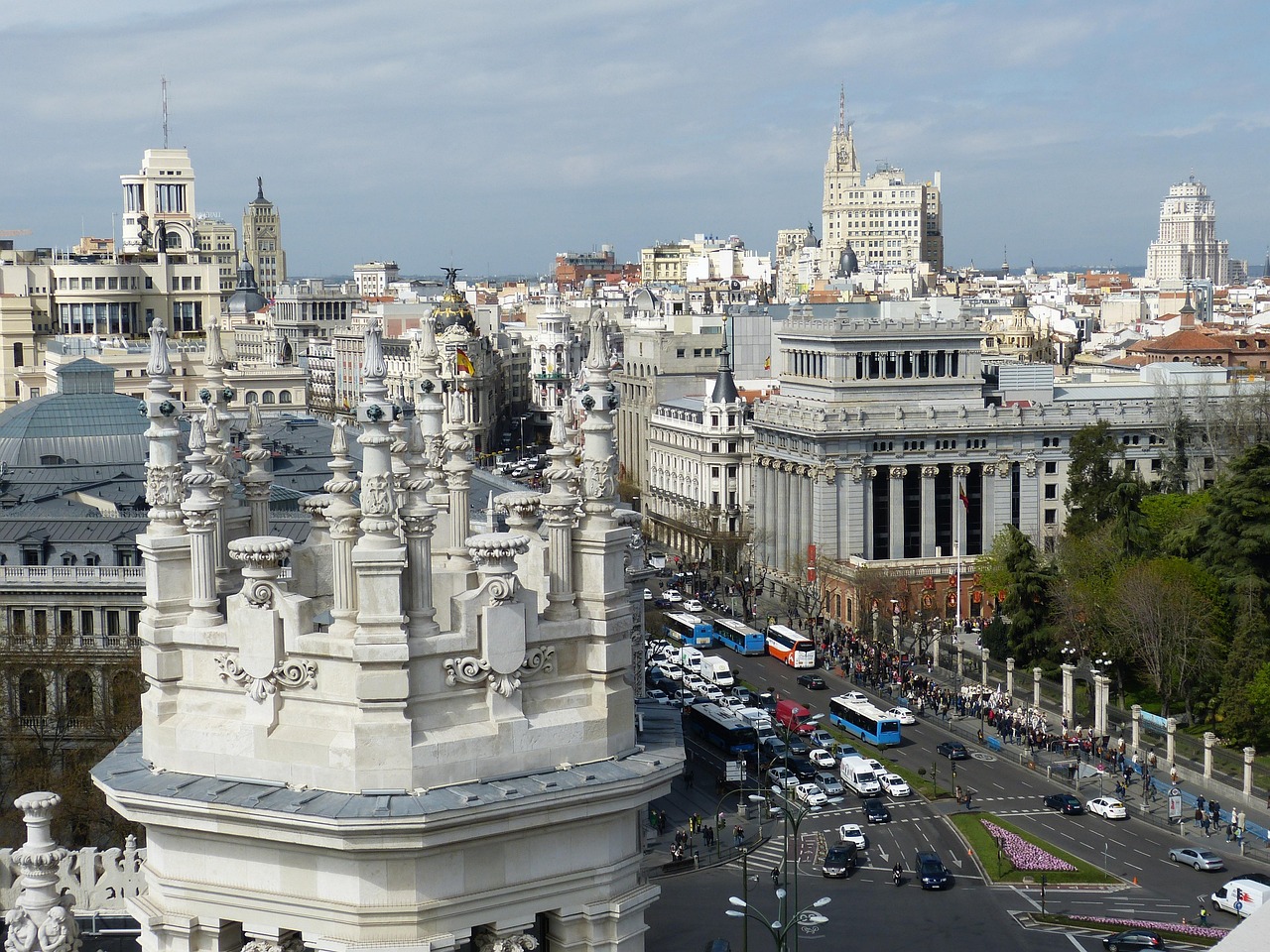
Base yourself in Barrio de las Letras (the Literary Quarter) for this itinerary. This historic neighborhood sits within walking distance of major museums while maintaining authentic local character. Literary quotes from Cervantes and Lope de Vega appear embedded in the cobblestone streets, and the area transforms from cultural center by day to vibrant tapas scene after dark.
Alternative neighborhoods: Malasaña attracts younger travelers with its bohemian cafés and street art. La Latina offers medieval charm and the city’s best tapas bars. Chamberí provides a purely local experience away from tourist zones.
Avoid staying near Sol or Gran Vía unless you enjoy constant crowds and tourist-trap restaurants.
Day 1: Art Museums and Royal Madrid
Morning: Prado Museum Strategy
Start your Madrid itinerary at the Museo del Prado, home to the world’s finest collection of Spanish art. Arrive at 10:00 AM opening to see Velázquez’s Las Meninas before tour groups arrive. The museum contains over 8,000 works, making a comprehensive visit impossible in one morning.
Essential Prado highlights:
- Room 12: Velázquez’s Las Meninas and royal portraits
- Room 67: Goya’s haunting Black Paintings
- Room 56A: Bosch’s Garden of Earthly Delights
- Spanish masters: El Greco, Zurbarán, Ribera
Purchase timed tickets online days in advance. The Prado offers free admission during the final two hours of each day (Monday through Saturday) and Sunday afternoons. Arrive 30 minutes before free hours begin to secure your place in line.
Skip the audio guide and read the room descriptions instead. The museum café serves excellent coffee and pastries if you need a break.
Late Morning: Retiro Park Like a Local
Exit the Prado directly into Retiro Park through the Puerta de Felipe IV entrance. This 350-acre former royal garden offers relief from museum crowds and Madrid’s urban intensity.
Most tourists congregate at the Crystal Palace and main boating lake. Instead, explore quieter sections that reveal why locals consider Retiro their backyard:
- Jardín de Cecilio Rodríguez: Andalusian-style gardens with peacocks roaming freely
- La Rosaleda: Rose garden at its peak in May and June
- El Ángel Caído: One of the world’s only monuments dedicated to Satan
Rent a rowboat on the lake if you want the classic Retiro experience, but the park’s real magic exists along shaded pathways where elderly Madrileños read newspapers on benches and families picnic under ancient trees.
Afternoon: Mercado de San Miguel and Plaza Mayor
Walk from Retiro toward Madrid’s historic center, arriving at Mercado de San Miguel around 13:00. This covered market has become touristy, but it remains the most convenient place to sample Spanish specialties in one location.
Smart market strategy:
- Start with jamón ibérico at established vendors
- Sample regional cheeses and olives
- Try croquetas and vermouth at the bar stalls
- Skip overpriced seafood; save that for coastal Spain
Stand at the bar counters like locals do. Seated service costs significantly more.
Plaza Mayor sits two minutes from the market. This grand 17th-century square hosted everything from bullfights to public executions. Today it serves as Madrid’s most photographed landmark and its biggest tourist trap. Take your photos quickly and keep moving.
For an authentic calamari sandwich (bocadillo de calamares), duck into any bar on the streets surrounding Plaza Mayor rather than the overpriced cafés lining the square itself.
Late Afternoon: Royal Palace of Madrid
Book a 16:00 timed entry for the Royal Palace online. This massive palace contains over 3,000 rooms, making it Europe’s largest royal residence. Spanish royalty no longer lives here, using it only for state ceremonies.
Palace highlights:
- Throne Room with ceiling frescoes by Tiepolo
- Royal Armory displaying centuries of weapons
- Royal Pharmacy with historic medicine preparations
- Gasparini Room’s intricate chinoiserie decorations
The palace’s Sabatini Gardens and Campo del Moro gardens are free to explore and offer spectacular views, especially near sunset. Few tourists venture into these gardens, making them perfect for a peaceful break.
Evening: Dinner in La Latina
Walk or take a short metro ride to La Latina, Madrid’s oldest neighborhood. Narrow medieval streets wind through this barrio, where locals have gathered for tapas for centuries.
La Latina tapas crawl:
- Casa Revuelta: Serving bacalao (cod) croquettes since 1885
- Juana La Loca: Known for Madrid’s best tortilla española
- Txirimiri: Basque-style pintxos in a lively atmosphere
The Spanish approach to tapas means ordering one or two items per bar, having a drink, paying, and moving to the next spot. Dinner happens late in Madrid, rarely before 21:00, with peak crowds arriving after 22:00.
Day 2: Modern Art and Madrid Neighborhoods
Morning: Reina Sofía Museum
The Museo Reina Sofía houses Spain’s premier collection of modern and contemporary art. Arrive at 10:00 opening to spend quality time with Picasso’s Guernica before crowds make viewing difficult.
Guernica depicts the 1937 bombing of the Basque town during the Spanish Civil War. Picasso created this massive canvas in response to fascist violence, and it remains one of the 20th century’s most powerful anti-war statements. The museum prohibits photography of Guernica specifically.
Beyond Guernica:
- Extensive Joan Miró collection spanning his career
- Salvador Dalí’s surrealist works from multiple periods
- Rooftop terrace with city views
- Rotating contemporary exhibitions
The museum organizes art thematically rather than chronologically, creating unexpected connections between artists and movements. Free admission applies during evening hours and Sunday afternoons, but morning visits offer the best experience.
Late Morning: Gran Vía Shopping and Architecture
Walk north to Gran Vía, Madrid’s most famous boulevard. Built in the early 20th century, this wide avenue showcases elaborate architecture mixing art nouveau, art deco, and rationalist styles.
El Corte Inglés department store at Callao has a rooftop food market (Gourmet Experience) with panoramic views across central Madrid. Browse Spanish fashion brands like Massimo Dutti and Zara before they expanded internationally, often finding better selection and prices than abroad.
Stop for coffee at a traditional café. Madrileños take their coffee culture seriously, and you’ll see locals standing at the bar for quick espresso rather than lingering for hours like in other European cities.
Afternoon: Malasaña Underground Culture
Metro to Malasaña, Madrid’s bohemian heart. This neighborhood birthed the Movida Madrileña counterculture movement after Franco’s death, when artists, musicians, and filmmakers (including Pedro Almodóvar) transformed Madrid into a creative capital.
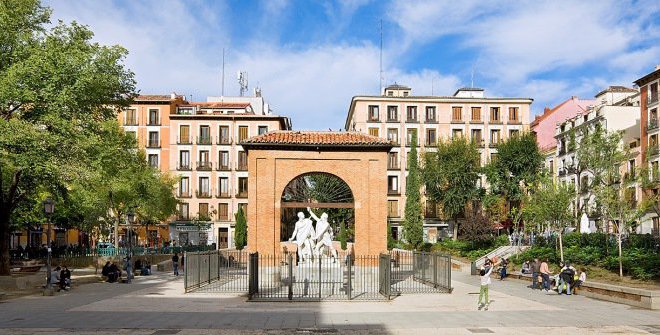
Plaza del Dos de Mayo anchors the neighborhood, commemorating Madrid’s 1808 uprising against French occupation. Today the plaza hosts neighborhood gatherings and impromptu street performances.
Malasaña highlights:
- Vintage clothing shops on Calle Velarde
- Independent bookstores and record stores
- Street art covering building facades
- Specialty coffee at La Bicicleta Café
Lunch in Malasaña:
Bodega de la Ardosa has operated since 1892, serving vermouth from wooden barrels and arguably Madrid’s best tortilla española. Arrive before 14:00 to claim a spot at the bar, or settle into the back room through the narrow passage. Order the tortilla runny in the center, the house salmorejo, and a vermouth on tap.
Late Afternoon: Chueca Exploration
Walk east to Chueca, Madrid’s LGBTQ+ hub and one of Europe’s most accepting neighborhoods. Spain legalized same-sex marriage in 2005, and Madrid hosted World Pride in 2017. The neighborhood’s welcoming atmosphere extends to everyone, with excellent independent shops, cafés, and bars lining every street.
Plaza de Chueca serves as the neighborhood’s heart. Stop at La Duquesita for traditional Spanish pastries, particularly their napolitanas de chocolate.
Browse independent boutiques selling Spanish designers and vintage finds. The neighborhood shopping beats generic international brands dominating Gran Vía.
Evening: Rooftop Drinks and Dinner
Madrid’s rooftop terraces come alive at sunset. Head to a rooftop bar for panoramic views as the sky turns pink and orange, a phenomenon locals call “la hora mágica.”
Dinner options:
Sala de Despiece reimagines Spanish cuisine in a former butcher shop setting. Reserve counter seats to watch chefs prepare dishes. The restaurant doesn’t serve dessert, encouraging diners to explore neighborhood bars afterward.
For more traditional fare, Casa Hortensia in nearby Chamberí serves classic Madrid dishes in an unpretentious setting locals have frequented for decades.
Day 3: Literary Quarter and Local Markets
Morning: Barrio de las Letras Walking Tour
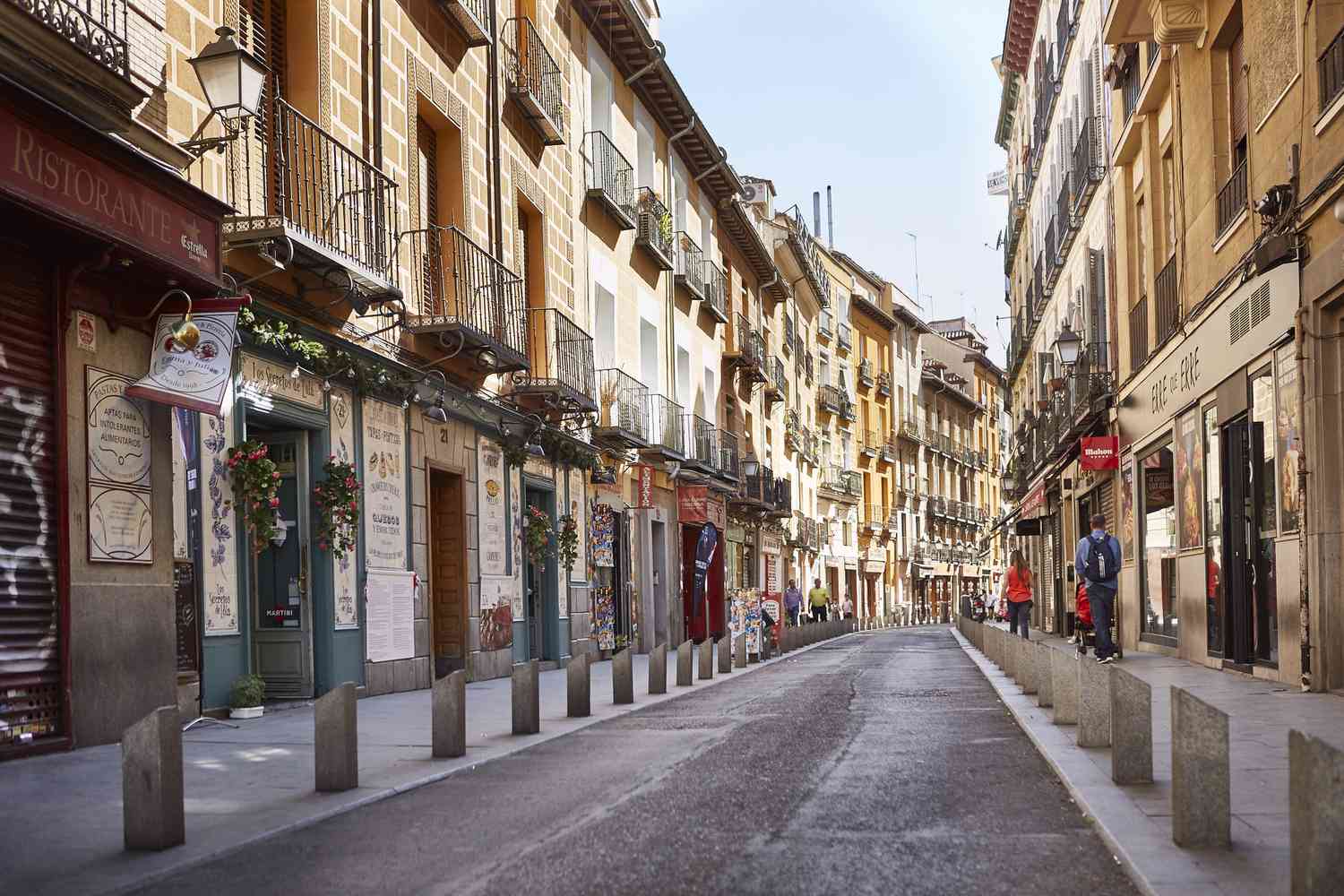
Spend your final main day exploring your home neighborhood. Barrio de las Letras (Literary Quarter) housed Spain’s Golden Age writers including Miguel de Cervantes, Lope de Vega, and Francisco de Quevedo during the 16th and 17th centuries.
Literary quotes from these writers appear embedded in the cobblestone streets throughout the neighborhood. Calle de las Huertas features the most concentrated collection, with verses that local children learn to recite.
Casa-Museo de Lope de Vega occupies the dramatist’s actual home, preserved as a small museum. Book an English-language tour in advance. The intimate space provides insight into daily life during Spain’s literary golden age.
Café Central on Plaza del Ángel serves excellent coffee in a space that doubles as one of Europe’s premier jazz venues. Morning coffee here captures the neighborhood’s intellectual atmosphere.
Late Morning: Sunday El Rastro Market
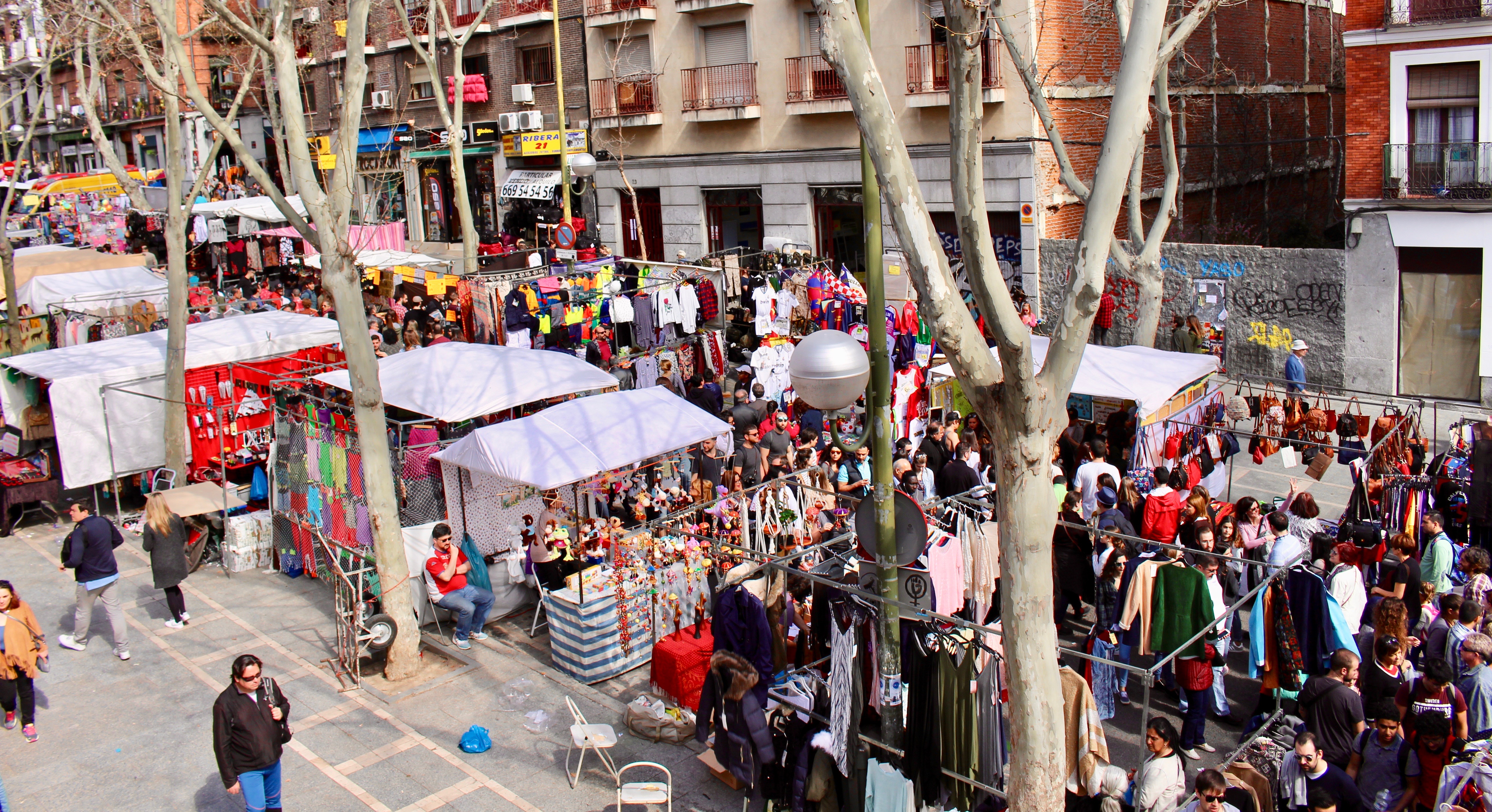
If visiting on Sunday, dedicate your late morning to El Rastro, Madrid’s famous flea market operating since the 15th century. This massive open-air market stretches from La Latina down Ribera de Curtidores toward Embajadores metro station.
Rastro survival guide:
- Arrive before 11:00 for serious antique hunting
- Watch for pickpockets in dense crowds
- Bring cash; many vendors don’t accept cards
- Best finds hide on side streets off the main drag
- Look for vintage posters, ceramics, and rare books on Calle del Carnero
After the market, locals gather at surrounding bars for vermouth hour. Join them for the authentic Sunday morning Madrid experience.
If not visiting on Sunday, explore La Latina’s permanent artisan shops and galleries instead. This medieval neighborhood rewards aimless wandering through its maze of narrow streets.
Afternoon: La Latina Lunch
La Latina claims Madrid’s highest concentration of quality tapas bars. Unlike tourist-focused establishments near Plaza Mayor, these bars serve neighborhood residents who know the difference between fresh and frozen croquetas.
Casa Lucio achieves legendary status for its huevos rotos (broken eggs over crispy potatoes). Politicians, celebrities, and knowledgeable travelers book tables weeks in advance. Request half portions to leave room for sampling other establishments.
The traditional approach involves hopping between multiple bars on Cava Baja, Cava Alta, and surrounding streets. Each bar specializes in specific dishes. Locals order that specialty, have one drink, pay immediately, and move to the next spot.
La Latina favorites:
- Taberna Almendro 13: Grilled meats and Rioja wines
- Txirimiri: Basque pintxos and cider
- El Viajero: Rooftop terrace overlooking La Latina
Stand at the bar rather than sitting at tables. This cultural practice keeps prices lower and encourages interaction with locals and bartenders.
Evening: Final Madrid Evening
Spend your last evening revisiting a favorite discovery from the previous days. Perhaps that vermouth bar in Malasaña, the octagonal plaza in Chamberí, or a tapas spot in La Latina that you want to experience once more.
Madrid rewards return visits. The second time feels less like tourism and more like temporary residence, which captures exactly what makes Spain’s capital special.
Day 4 (Optional): Hidden Madrid Neighborhoods
If you have a fourth day, explore Madrid’s lesser-known neighborhoods that rarely appear in guidebooks.
Morning: Chamberí’s Ghost Station
Start at Andén 0, a preserved 1960s metro station that closed in 1966 and now operates as a free museum. Original advertisements, vintage ticket machines, and period details remain frozen in time. Reserve tickets online in advance.
Walk through Chamberí neighborhood afterward, one of Madrid’s most authentically local districts. Mercado de Chamberí serves neighborhood residents shopping for fresh produce, seafood, and specialty items. The market’s upper level features international food stalls.
Afternoon: Casa de Campo Escape
Take the Teleférico cable car from Parque del Oeste across the Manzanares River to Casa de Campo. This massive park once served as royal hunting grounds. Today it offers Madrid’s best nature escape without leaving the city.
Rent bikes to explore forested trails, or hike to viewpoints overlooking Madrid’s skyline. Pack a picnic from Mercado de Chamberí and find a quiet spot away from the main paths.
Evening: Matadero Madrid
As sunset approaches, explore Madrid Río, the park system following the Manzanares River. Cross the historic Puente de Toledo footbridge for skyline views.
Matadero Madrid occupies a former slaughterhouse complex converted into contemporary art galleries, performance spaces, and design exhibitions. The industrial architecture creates dramatic settings for rotating exhibits. Check their calendar, as special events happen frequently.
The surrounding area features several excellent restaurants serving everything from Japanese-Peruvian fusion to traditional Spanish fare.
Day 5 (Optional): Day Trips from Madrid
Madrid’s central location and excellent high-speed train connections make several UNESCO World Heritage sites accessible for day trips.
Toledo: Medieval Masterpiece
Just 30 minutes by AVE train, Toledo preserves centuries of Christian, Jewish, and Muslim coexistence. The former Spanish capital perches above the Tagus River, its medieval walls enclosing narrow cobblestone streets that have changed little in 500 years.
Toledo essentials:
- Cathedral: Gothic masterpiece with works by El Greco
- Jewish Quarter synagogues: Rare surviving examples
- El Greco paintings at Santo Tomé church
- Panoramic views from across the river
Take the first morning train, explore until mid-afternoon, and return to Madrid for dinner. Toledo’s compact size makes this timing ideal.
Segovia: Roman Engineering
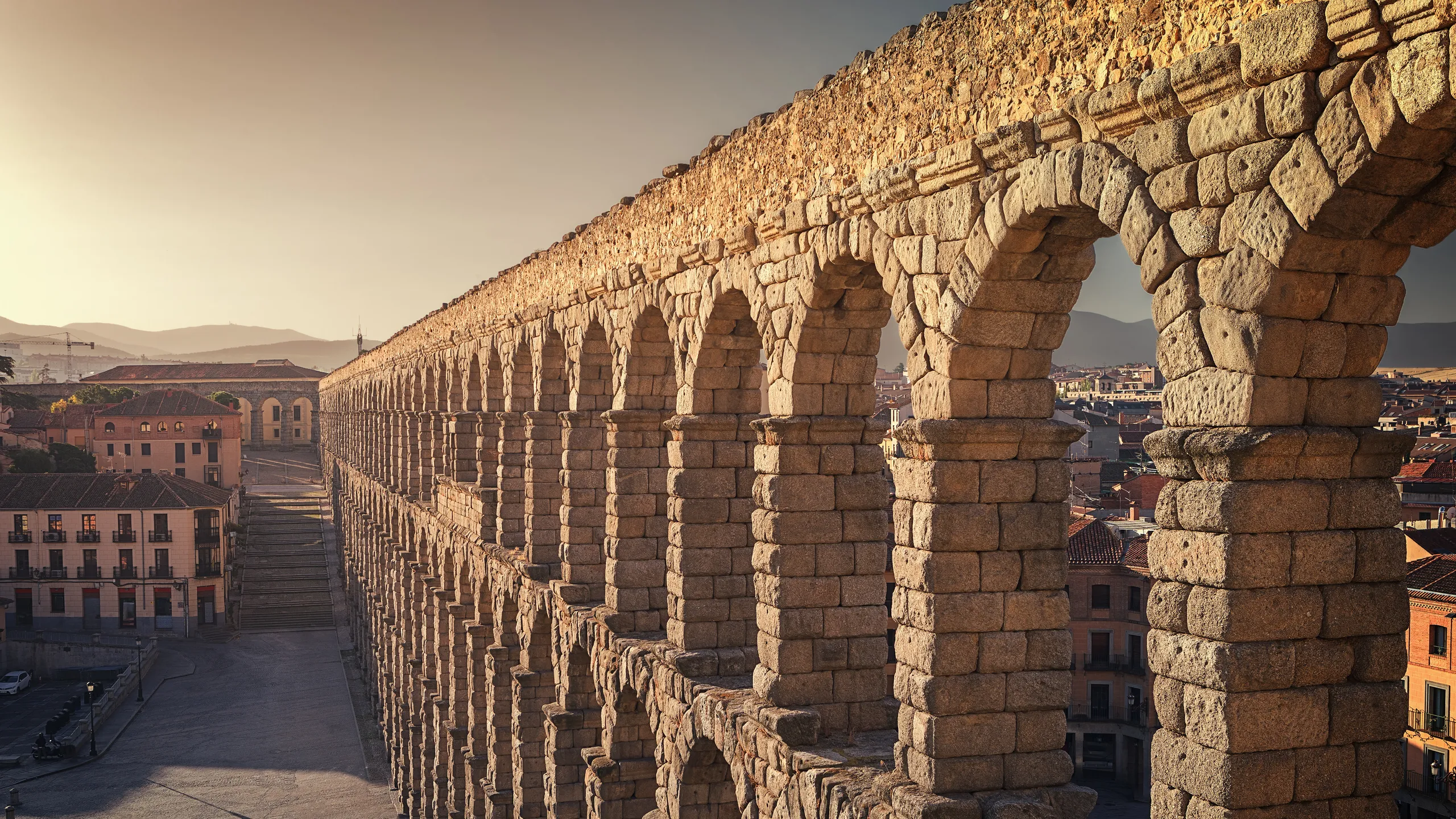
Segovia’s 2,000-year-old Roman aqueduct stands as one of the world’s best-preserved ancient structures, built entirely without mortar. The fairy-tale Alcázar fortress allegedly inspired Disney’s castle design.
Segovia highlights:
- Roman Aqueduct spanning the old town
- Alcázar fortress with panoramic views
- Gothic Cathedral in the main plaza
- Cochinillo asado (roast suckling pig) at historic restaurants
Segovia requires a slightly longer journey (bus or train with connection), but the Roman engineering alone justifies the effort.
Cercedilla: Mountain Hiking
Nature lovers tired of urban exploration should take the Cercanías commuter train to Cercedilla in the Sierra de Guadarrama mountains. Multiple hiking trails wind through pine forests to mountain viewpoints.
The Valle de la Fuenfría route follows an ancient Roman road through the mountains. Pack a lunch and spend the day in nature before returning to Madrid for a final evening.
Practical Madrid Travel Information
Getting Around Madrid
Metro: Twelve lines covering 302 stations throughout the city and suburbs. Purchase a 10-ride card (Metrobús) at any station, valid on both metro and city buses. Download the official Metro Madrid app for route planning.
Walking: Madrid’s historic center is compact and pedestrian-friendly. Most attractions in this itinerary sit within walking distance of each other. Comfortable shoes are essential for cobblestone streets.
BiciMad: Madrid’s bike-share program offers electric bikes at stations throughout the city. The mostly flat terrain makes cycling practical and efficient.
Taxis: Abundant and affordable compared to other European capitals. Official taxis are white with a red diagonal stripe. FreeNow app makes booking reliable.
Money-Saving Strategies
- Museum free hours (final 2 hours daily, Sunday afternoons at major museums)
- Menú del día at lunch (€12-15 for three courses at quality restaurants)
- Stand at the bar for drinks and tapas (seated service costs 30-50% more)
- Refill water bottles from taps (Madrid’s water quality is excellent)
- Shop at neighborhood markets instead of tourist-oriented food halls
Madrid Dining Schedule
Restaurants operate on Spanish time, which differs significantly from northern Europe or North America. Lunch service runs 14:00-16:00. Dinner starts at 21:00, with peak crowds arriving after 22:00.
Many quality restaurants close Sunday evenings and all day Monday. Reserve ahead for popular establishments, especially on weekends.
Tipping isn’t obligatory in Spain. Round up the bill or leave 5-10% for exceptional service, preferably in cash.
What to Pack for Madrid
- Comfortable walking shoes with good support (expect 15,000+ steps daily)
- Layers for temperature fluctuations between morning and evening
- Dressy-casual outfit for nice dinners (Madrileños dress well for evenings)
- Reusable water bottle (tap water is safe throughout Madrid)
- Day backpack for market purchases and picnics
- Light rain jacket (brief showers possible year-round)
Madrid Itinerary Final Thoughts
Madrid doesn’t compete with Barcelona’s architectural drama or Seville’s flamenco intensity. Spain’s capital offers something more subtle and ultimately more satisfying: authentic Spanish life, lived at a human pace, in neighborhoods where locals still outnumber tourists.
The Prado and Royal Palace deserve their reputation, but Madrid’s soul lives in neighborhood plazas where elderly residents gather for afternoon vermouth, in century-old tapas bars where recipes haven’t changed since your grandparents’ generation, and in markets where vendors know their regular customers by name.
This Madrid itinerary balances famous attractions with authentic experiences. Three days provides a solid introduction to Madrid’s character. Five days allows deeper neighborhood exploration, more leisurely museum visits, and a worthwhile day trip to UNESCO World Heritage sites.
The beauty of Madrid lies in wandering off-script. Get lost in Malasaña’s street art, linger over coffee in a Literary Quarter café, or join locals watching sunset from a neighborhood plaza. These unplanned moments often become the most memorable parts of any Madrid visit.
Spain’s capital rewards travelers who look beyond surface attractions to discover how Madrileños actually live. That’s exactly what makes Madrid worth the journey.
Want a Ready-Made Madrid Itinerary?
Planning Madrid can feel simple at first, until you start deciding what to prioritize, where to eat, and how to group neighborhoods efficiently. If you would rather skip the guesswork, I have put together a Madrid itinerary guide designed for travelers who want a clear, stress-free plan.
This guide is ideal if you:
- Are visiting Madrid for 3 to 5 days
- Want a day-by-day structure without feeling rushed
- Care about food, walkability, and smart neighborhood flow
- Prefer knowing exactly what to do each day instead of piecing things together
The itinerary complements this guide by:
- Turning highlights into a logical daily route
- Suggesting when to visit major sights to avoid crowds
- Grouping attractions, food spots, and neighborhoods efficiently
- Leaving room for flexibility and personal pace
Download the Madrid itinerary guide here
Ready to experience Madrid beyond the guidebook? Start planning your neighborhood-based adventure through Spain’s most authentic capital city.