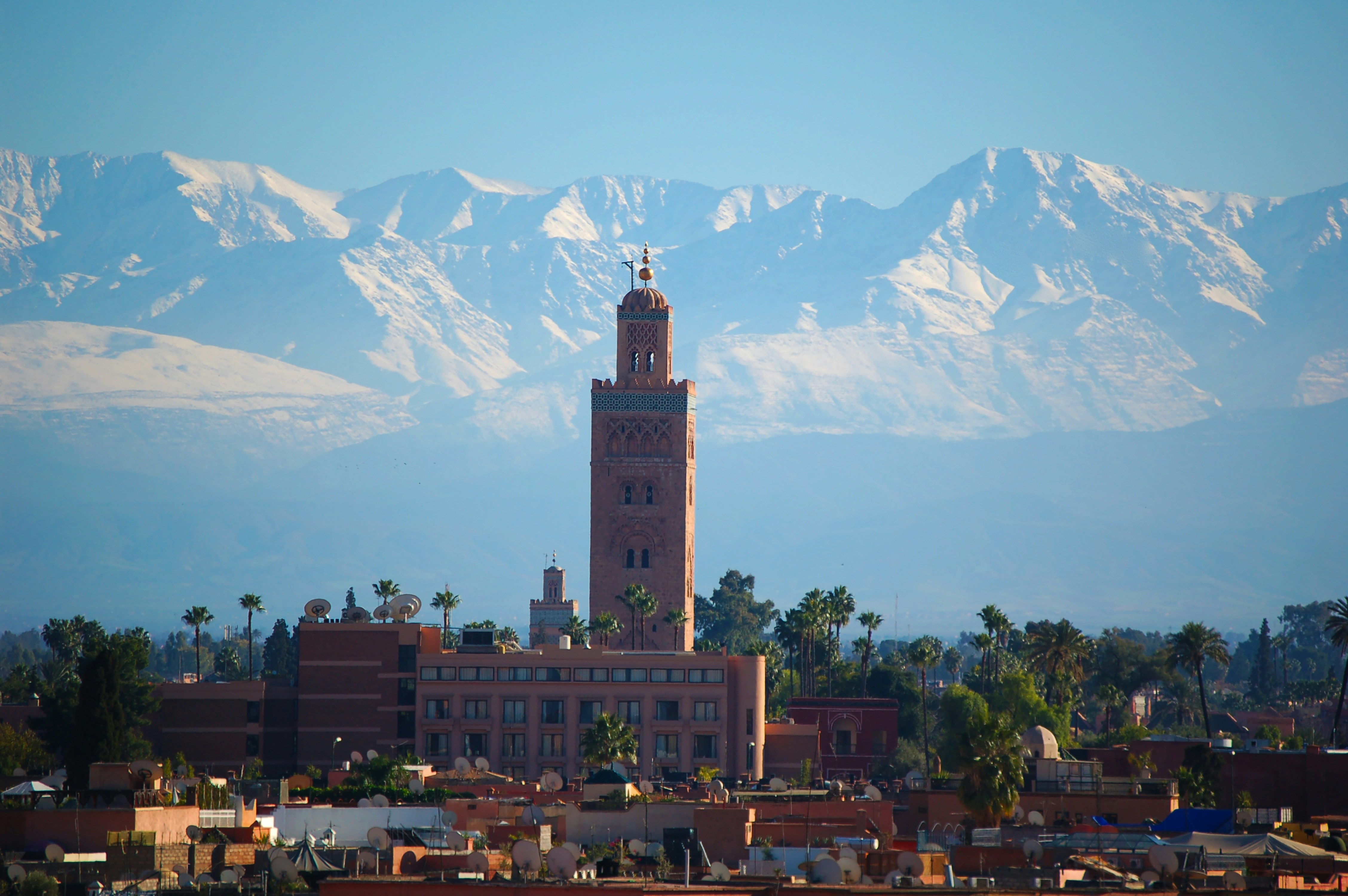
Marrakech demands more than a quick stopover. This ancient city at the foot of the Atlas Mountains rewards travelers who slow down enough to feel its rhythm: the call to prayer echoing off terracotta walls, the scent of cumin and mint mingling in narrow souk alleys, the chaos of Jemaa el-Fnaa transforming from market square to open-air theatre as the sun sets.
A 5 day Marrakech itinerary gives you enough time to explore the historic medina, wander through stunning palaces and gardens, navigate the souks without rushing, and take a day trip to either the coast or waterfalls. This guide breaks down exactly how to spend 5 days in Marrakech, including the best time to visit each attraction, where to eat, and how to pace yourself in a city that can overwhelm first-time visitors.
The itinerary structure: Day 1 eases you into the medina with Jemaa el-Fnaa and rooftop exploration. Day 2 tackles the historic core and souks. Day 3 focuses on palaces and ruins in the Kasbah quarter. Day 4 shifts to gardens and art with time to relax. Day 5 offers optional day trips to the coast or waterfalls.
Most travelers either cram too much into three days or waste time with poor planning. This itinerary balances iconic sites with breathing room, strategic timing to avoid crowds, and built-in rest when the midday heat peaks.
Why This 5 Day Marrakech Itinerary Works
Designed Around Light, Crowds, and Energy
The Red City operates on a rhythm most guidebooks ignore. Palaces are empty in the first hour after opening. The souks come alive late morning. Jemaa el-Fnaa is a different place at sunset than at noon.
This Marrakech 5 day itinerary positions major attractions in specific time windows when they’re least crowded. It saves rooftop experiences and souk wandering for when the light turns golden. It builds in riad rest time during the hottest hours, when even locals retreat indoors.
The timing isn’t arbitrary. There’s a 45-minute window at Bahia Palace when it’s actually peaceful. Ben Youssef Madrasa has a crowd pattern most visitors don’t know about. The full itinerary maps these windows precisely so you’re not fighting tour groups for photos.
Strategic Neighborhood Clustering
Marrakech’s medina is a maze, and backtracking wastes time and energy. This itinerary groups attractions by location: the historic core and souks together, palaces and ruins in the Kasbah quarter on a separate day, gardens in the modern district when you need a break from medina intensity.
You’ll walk plenty, but efficiently, without retracing your steps through the same alleyways multiple times.
Built-In Flexibility
Morocco’s weather shifts. Your energy levels vary. This itinerary for Marrakech includes indoor alternatives if it rains, and a full optional day on Day 5 that you can swap for a spa day if you’re exhausted. The structure holds, but the execution flexes.
Planning Your Trip to Marrakech
When to Visit
Spring (March through May) and autumn (September through November) offer the best weather for a Marrakech trip. Temperatures sit comfortably between 20-28°C, perfect for all-day walking. Summer brings intense heat that makes midday exploration brutal. Winter is cooler but still pleasant, though you’ll want a jacket for evenings.
Where to Stay
Book a riad inside the medina walls. These traditional courtyard houses put you within walking distance of every major attraction and offer peaceful retreats from the city’s intensity. Look for riads with rooftop terraces where you can watch the sunset and cool off after long walks.
The full itinerary includes specific riad recommendations in different price ranges, all tested for location, rooftop quality, and staff helpfulness.
Avoid staying in the new city (Gueliz) unless you prefer modern hotels over atmosphere. You’ll spend too much time in taxis shuttling back and forth to the medina.
Getting Around
Walk everywhere within the medina. Taxis work for longer trips to gardens or day excursions outside the city. The medina’s alleys are too narrow for cars, but watch for motorbikes and donkey carts that barrel through pedestrian traffic.
Download maps offline or screenshot key routes. Mobile data can be spotty in the densest souk corridors.
5 Day Marrakech Itinerary: Day by Day Breakdown
Day 1: Arrival and Introduction to the Medina
Fly into Menara Airport and taxi directly to your riad. Most riads are tucked down unmarked alleys where taxis can’t drive, so your host will typically meet you at a landmark and walk you in.
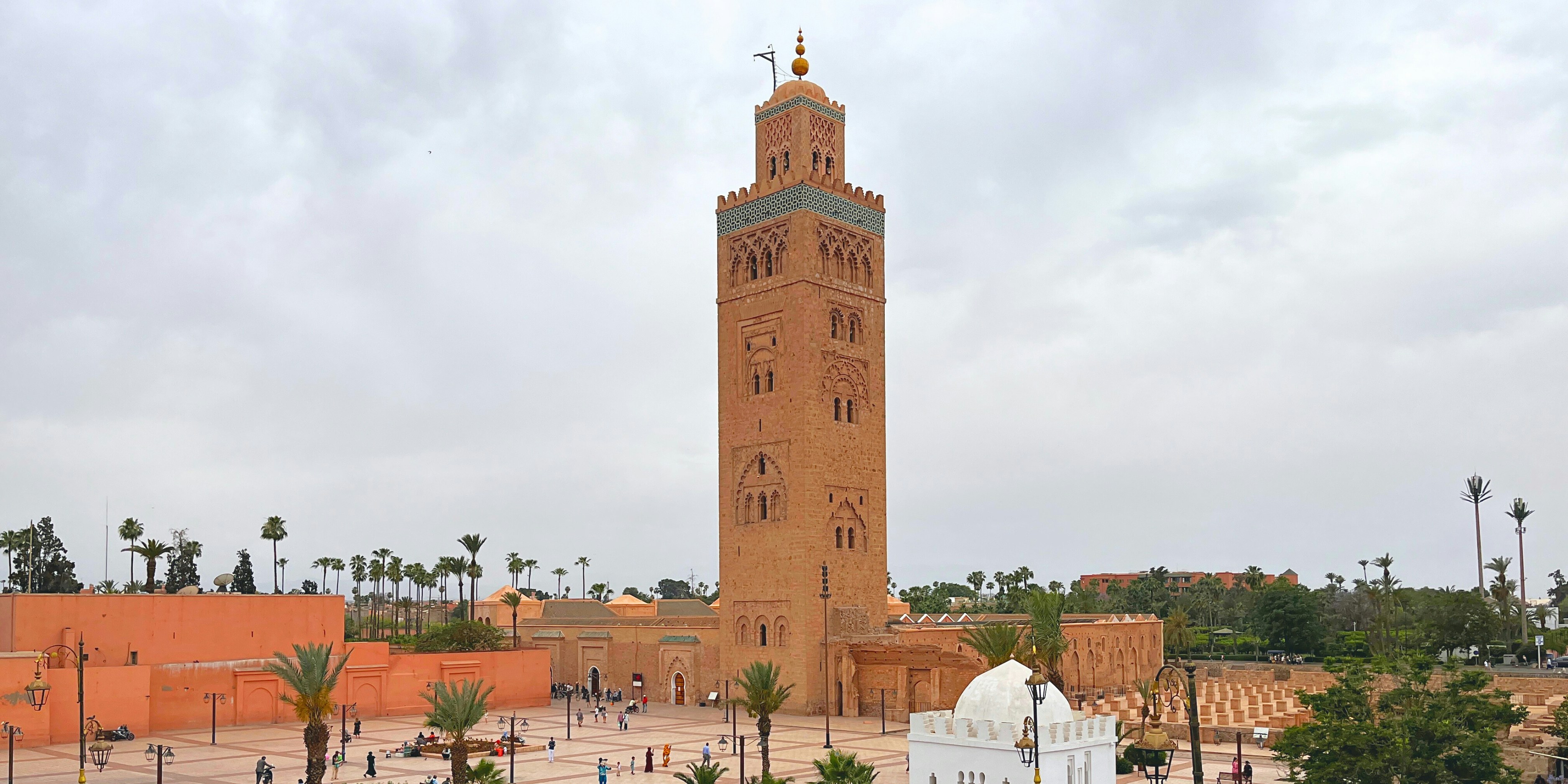
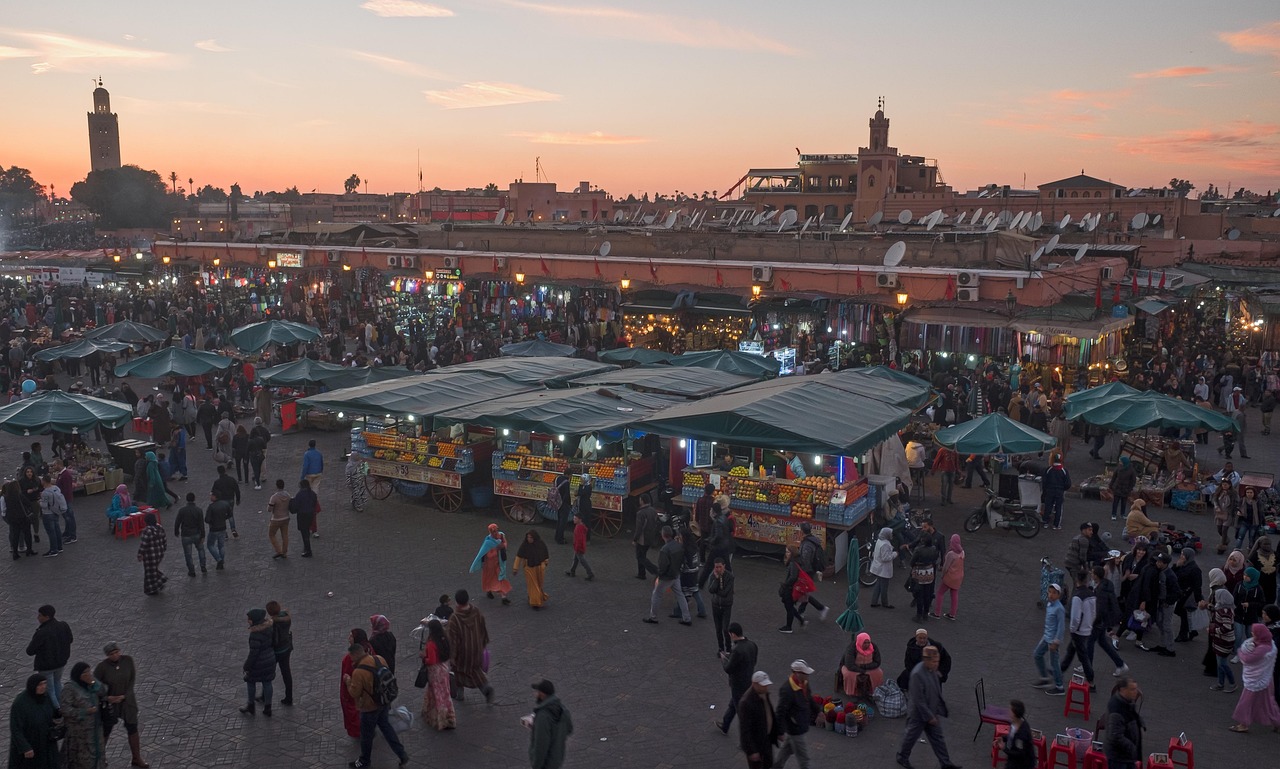
After settling in, your first goal is simple: get oriented without overwhelming yourself. The itinerary recommends a specific rooftop location that gives you perfect views of both Jemaa el-Fnaa and the Koutoubia Mosque, where you can watch the square transform from market to spectacle as sunset approaches.
As evening arrives, descend into Jemaa el-Fnaa itself. The energy is overwhelming at first: hawkers calling, smoke rising from food stalls, crowds pressing in from all sides. There’s a strategy for navigating this that the full itinerary covers, including which food stalls are worth trying and which to skip, plus safety tips for first-time visitors.
Return to your riad when you’re saturated. This is a soft landing day designed to ease you into Marrakech’s intensity.
What most guides miss: There are three different rooftop cafes on the square’s edge that look identical but have vastly different pricing and view quality. The itinerary specifies which one delivers the best value.
Day 2: Historic Core and the Souks
This is your biggest walking day. The itinerary starts you early at a specific location for morning photography when the light is soft and crowds are minimal. From there, you’ll move through the historic core hitting major sites in a carefully sequenced order.
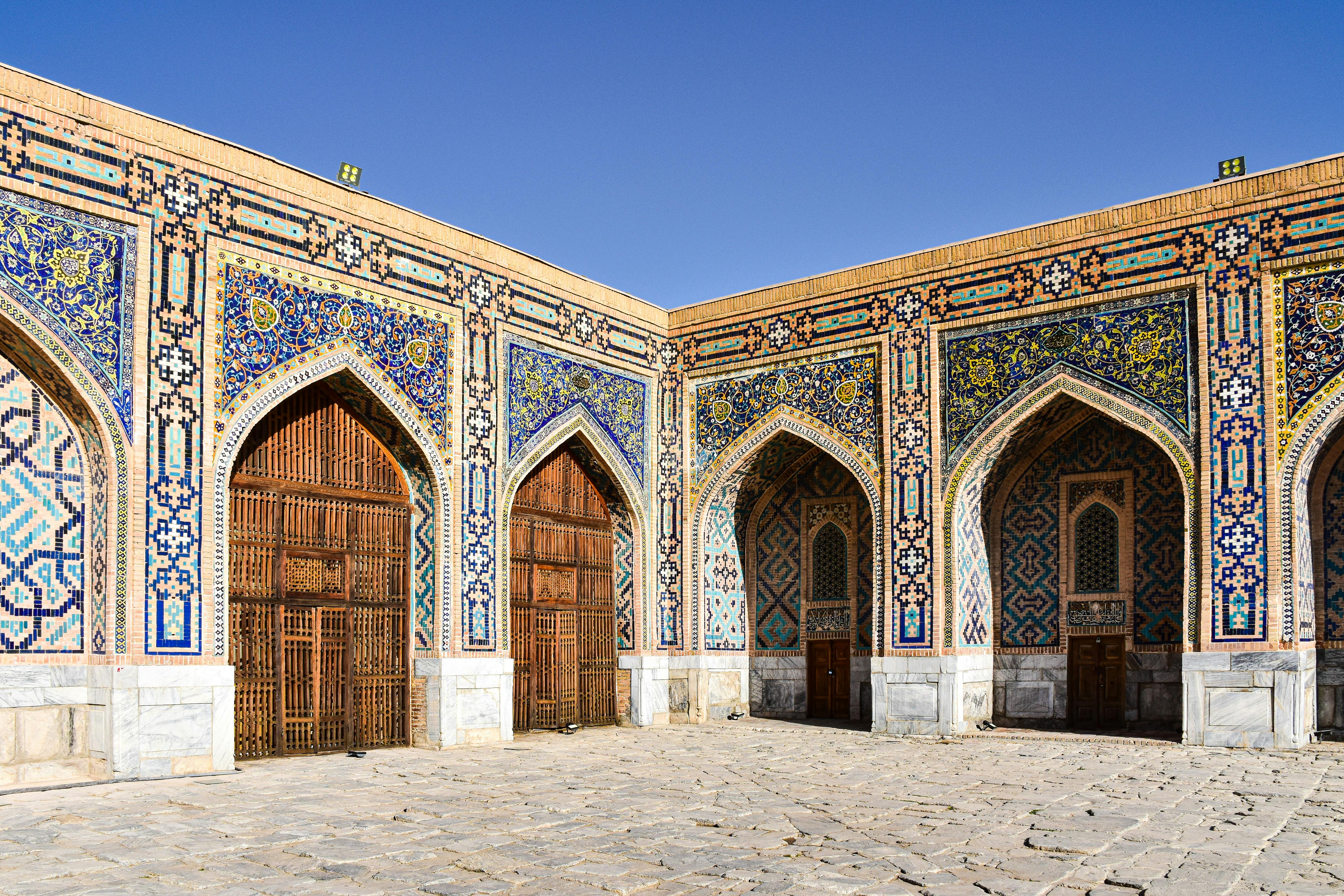
Ben Youssef Madrasa is one of Morocco’s most photographed spots, which means timing matters enormously. Most visitors arrive mid-morning and find themselves shoulder-to-shoulder with tour groups. The full itinerary gives you the exact arrival window when the courtyards are nearly empty.
The souks require strategy. They’re organized by trade, and if you don’t know the layout, you’ll waste hours circling back through the same alleys. The itinerary includes a simple map showing where to find the best leather goods, textiles, lamps, and spices, plus which secondary alleys have better prices than the main corridors.
There’s also the question of when to eat lunch. Most tourists stop whenever they’re hungry, but there’s an optimal time that aligns with attraction schedules and heat patterns.
By late afternoon, you’ll position yourself at another rooftop location for sunset, different from Day 1, with better views of the medina sprawl.
Critical detail: The souks have “tourist lanes” and “local lanes” running parallel. Vendors in tourist lanes charge double. The itinerary shows you exactly how to shift between them.
Day 3: Palaces, Ruins, and Royal History
Bahia Palace, El Badi Palace, and the Saadian Tombs sit in the same quarter but require careful sequencing. Visit them in the wrong order and you’ll backtrack or hit them at peak crowd times.
Bahia Palace is ornate and popular. The difference between visiting at 9:00 AM versus 11:00 AM is dramatic. The full itinerary specifies which entrance to use (there are two, and one has shorter lines) and which rooms to prioritize if time is limited.
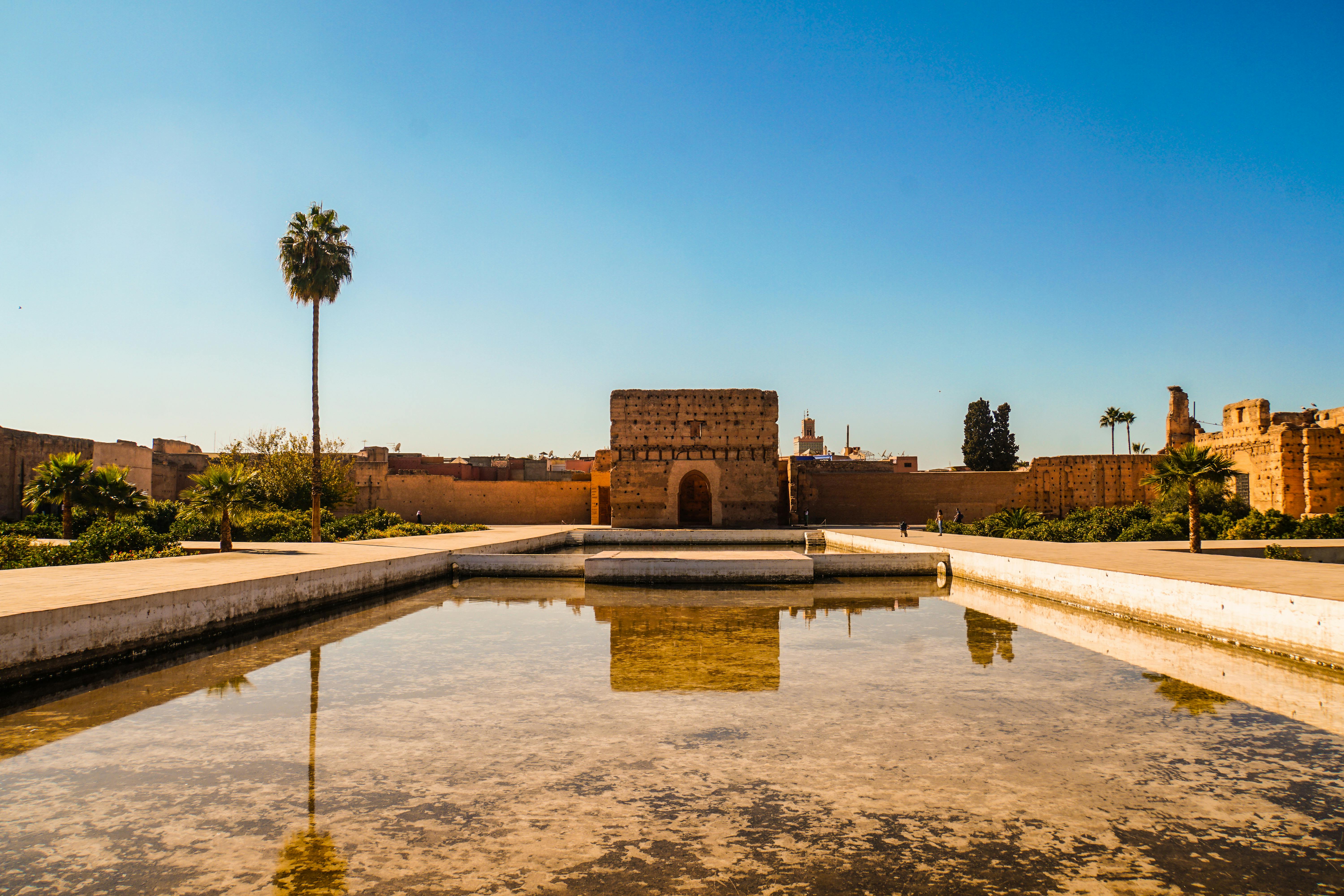
El Badi Palace is stripped-down ruins, hauntingly beautiful, and less crowded than Bahia. But the best photography happens at a specific time of day when the light hits the reflecting pools correctly.
The Saadian Tombs are small, so this is a quicker stop, but again, timing determines whether you’re shuffling through in a packed crowd or actually able to appreciate the carved marble.
Between these sites, the Kasbah and Mellah neighborhoods offer quieter wandering. The itinerary points out specific streets worth exploring and a few hidden courtyard cafes locals actually use.
Strategy note: Tour buses follow a predictable route through these sites. The itinerary is designed to keep you one step ahead of them all day.
Day 4: Gardens, Art, and Breathing Room
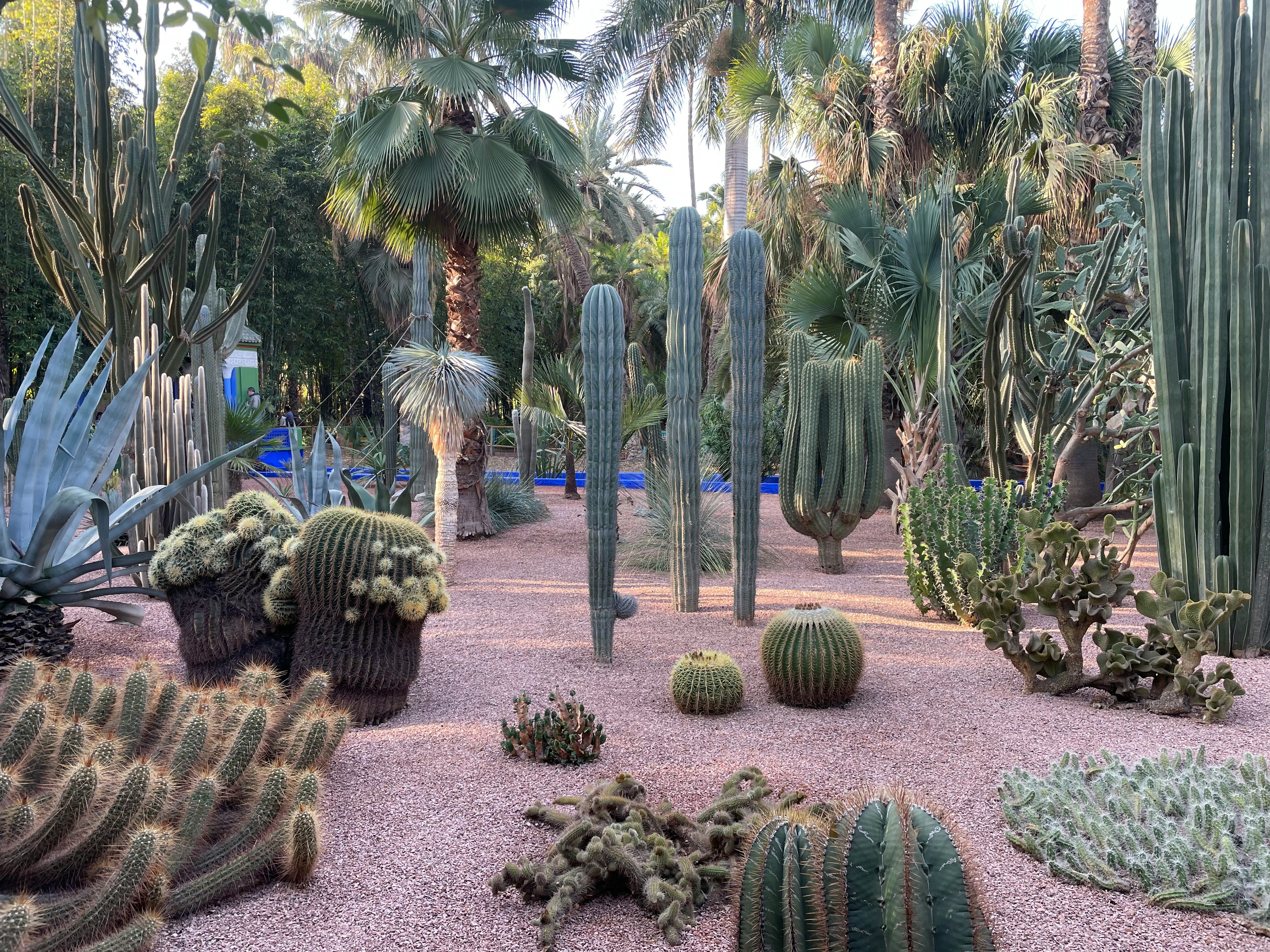
Day 4 shifts away from the medina’s intensity. Jardin Majorelle is Marrakech’s most famous garden, which means it gets crowded. Pre-booking tickets is essential, but arrival time matters just as much.
The garden is beautiful but small. You can see it in 45 minutes or linger for two hours depending on your pace. The adjacent Yves Saint Laurent Museum is worth the extra ticket if fashion history interests you, but skippable if it doesn’t.
Lunch in the Gueliz district offers a different experience: cleaner streets, sit-down cafes, menus that include salads alongside tagines. It’s a relief after several days in the medina.
The afternoon is deliberately light. Final souvenir shopping, riad relaxation time, perhaps a hammam treatment. The full itinerary includes tested hammam locations (not all are clean or professional) and what to expect from the experience if you’ve never done one.
Your last evening deserves a memorable dinner. The itinerary recommends a specific rooftop restaurant that balances atmosphere, food quality, and reasonable pricing, something surprisingly hard to find in Marrakech.
Hidden value: There are family-run spice shops where you can taste different blends and buy small quantities at local prices. The itinerary marks two specific ones that don’t push sales aggressively.
Day 5: Day Trip Options
Your fifth day offers two main directions: the Atlantic coast or the mountains.
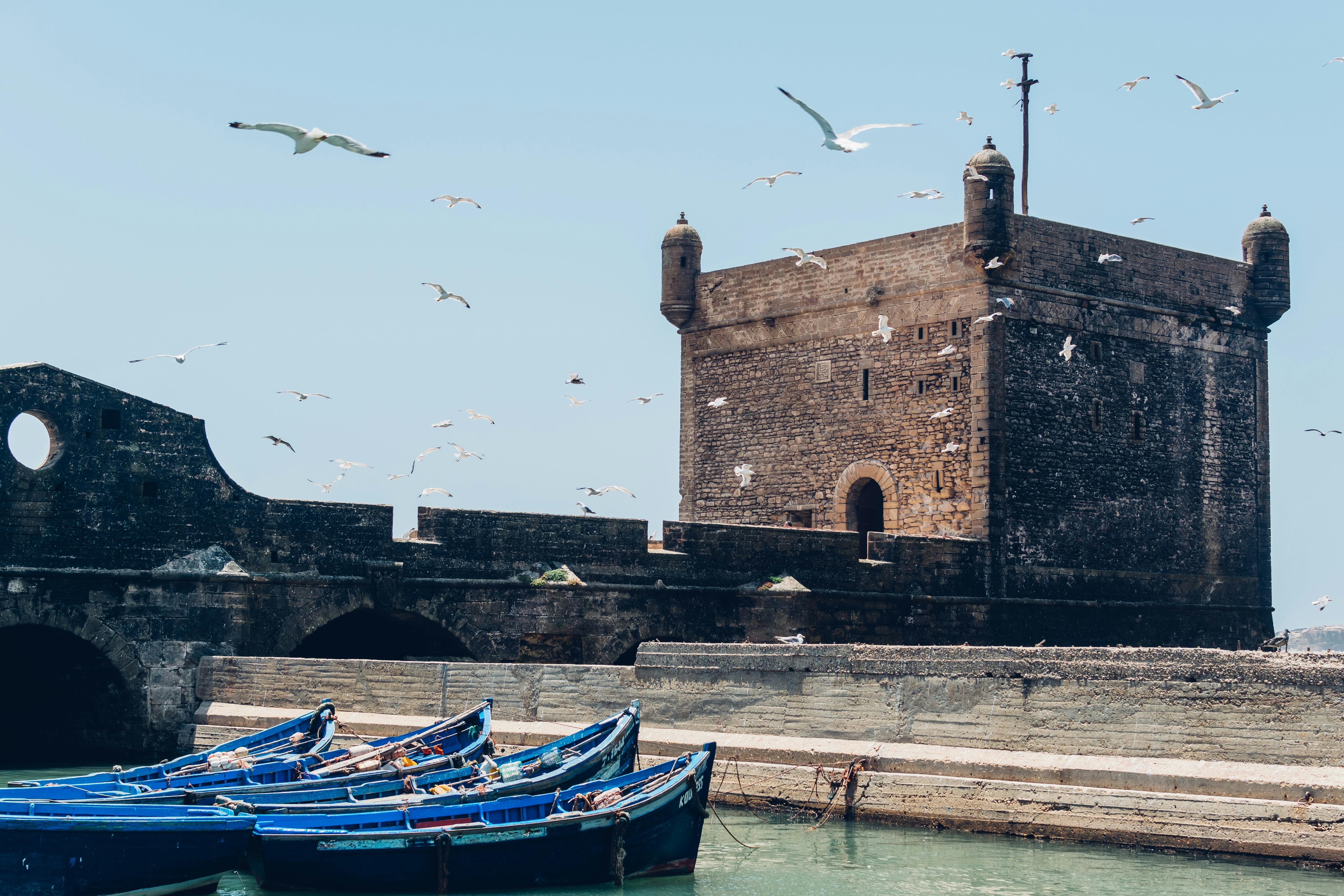
Essaouira (Coastal Option): This laid-back port town sits 2.5 to 3 hours west. The drive itself is scenic. Once there, you’ll explore the medina (much calmer than Marrakech), walk the ramparts, browse craftsman stalls, and eat grilled fish at the harbor. The full itinerary includes specific timing for the day, where to eat, and what to skip.
Ouzoud Waterfalls (Mountain Option): The tallest waterfalls in North Africa, about 2-3 hours northeast. The setting is dramatic: cascades dropping into green pools, Barbary macaques in the trees, riverside restaurants with fresh trout. The itinerary covers the best viewpoints and whether boat rides are worth it.
Rest Day Alternative: If you’re exhausted, skip the day trip. The itinerary includes suggestions for a slower final day in Marrakech: neighborhoods you haven’t explored, that hammam you postponed, or simply sleeping in and enjoying your riad.
Logistics matter: Hiring a taxi for the day versus booking a tour group changes the experience significantly. The itinerary breaks down both options with realistic pricing and what to expect.
Who This Marrakech Itinerary Is For
First-Time Visitors to Morocco
This itinerary assumes no prior experience with North African travel. It balances the must-see landmarks with practical advice about crowds, heat, bargaining, and cultural navigation. You’ll leave with context, not just photos.
Travelers Who Value Rhythm Over Rushing
Five days allows you to see Marrakech’s highlights without sprinting. You can return to Ben Youssef for better photos if the first visit was crowded. You’ll drink mint tea on multiple rooftops. You’ll find that spice vendor who remembers your name. This itinerary prioritizes experience over checklist completion.
Couples and Solo Travelers
The pacing works for two people moving together or one person moving at their own speed. Marrakech is safe for solo travelers, especially women, though expect more attention in the souks. Couples will find plenty of atmospheric rooftop dinners and quiet riad courtyards.
Not Ideal For: Large Groups or Families with Young Children
The medina’s narrow alleys, aggressive vendors, and chaotic traffic make it challenging for families with small kids. If you’re traveling with children, the itinerary can be adapted, but you’ll need more rest time and fewer intensive souk sessions.
Common Mistakes When Visiting Marrakech
Trying to See Everything
Marrakech has dozens of riads, palaces, gardens, and museums. You can’t see them all in five days. This itinerary focuses on the top tier and skips the rest. Every inclusion is deliberate.
Visiting Major Sites at Peak Times
Tour buses arrive between 11:00 and 14:00. Show up to Ben Youssef or Bahia Palace during this window and you’ll spend more time waiting than experiencing. The itinerary is built around avoiding these crowds entirely.
Staying in the Wrong Location
Hotels in Gueliz might offer modern amenities, but you’ll waste time commuting. The full itinerary explains exactly which medina neighborhoods work best and which to avoid (some are too deep in the maze or too far from attractions).
Not Understanding Souk Pricing
If you don’t bargain, vendors assume you’re either wealthy or uninterested in value. But there’s a technique to it. Start too low and vendors get offended. Start too high and you overpay. The itinerary includes realistic starting prices for common items.
Ignoring Your Body
Marrakech is physically demanding: cobblestone walking, heat, sensory overload. The itinerary builds in strategic rest periods that most visitors skip, then regret on Day 3 when they’re exhausted.
Variations and Extensions
4 Days Instead of 5
Drop the day trip and redistribute the time. The itinerary includes a 4-day variation that keeps the core intact.
6 or 7 Days
Add both day trips (Essaouira and Ouzoud). Or book an overnight in the Sahara Desert, though this requires 2 full days minimum and separate planning.
Desert Extension
The Sahara lies 6 to 8 hours southeast. Most travelers book 2-day or 3-day tours that include Berber camp stays, camel rides, and stops in Ait Benhaddou. This is worth doing if you have time, but it’s essentially a separate trip.
Atlas Mountains Hiking
The High Atlas offers day hikes to Berber villages or multi-day treks to Mount Toubkal. These work as alternatives to coastal day trips if you prefer mountains over beaches.
The Full Itinerary: What’s Included
The day-by-day breakdown above gives you the structure, but the full itinerary includes the details that transform a good trip into a smooth one.
Exact timing strategies: Not just “visit Ben Youssef early” but “arrive at 9:07, enter through the left door, photograph the main courtyard first before moving to the side rooms.” Specific windows for every major attraction based on crowd patterns and light.
Restaurant recommendations with context: Not just names, but why each one made the list, what to order, realistic pricing, and backup options if your first choice is full. Direct links to menus and reservation systems where applicable.
Neighborhood navigation: The medina is a maze. The itinerary includes simple orientation maps showing how to get from your riad to major sites without getting lost. Plus which alleys to avoid and which shortcuts save 10 minutes of walking.
Souk shopping strategy: Which items are worth buying, which vendors offer fair prices, how to spot quality leather versus painted plastic, and realistic starting prices for bargaining. The locations of family-run shops that don’t pressure tourists.
Local secrets most guides miss: The rooftop cafe with Koutoubia views at half the price of touristy spots. The family patisserie where locals buy treats. The spice vendor who gives honest advice instead of hard-selling. The quiet square perfect for a mid-afternoon break.
Weather contingency plans: What to do if it rains. How to adjust if it’s unseasonably hot. Indoor alternatives that don’t feel like compromises.
Detailed packing list: What actually works for walking cobblestones all day. How to dress for cultural respect without overheating. Which electronics you’ll use and which stay in your bag.
Cultural navigation: How to handle pushy vendors without being rude. When tipping is expected and how much. Photography etiquette. How to recognize and avoid common scams.
Meal-by-meal suggestions: Not just lunch and dinner, but where to grab morning coffee, afternoon mint tea, that perfect pastry. Building momentum through the day with strategic food and drink stops.
This isn’t about gatekeeping information. You could research all of this yourself. The full itinerary exists for travelers who’d rather spend their vacation experiencing Marrakech than Googling opening hours, comparing rooftop cafe reviews, and trying to figure out which entrance to Bahia Palace has shorter lines.
Conclusion: Why 5 Days in Marrakech Hits the Sweet Spot
Reading a blog can inspire a trip. Having a well-designed itinerary is what actually makes the trip work.
Marrakech is not a city you experience best by improvising as you go. Distances are deceptive, opening hours shift, crowds surge and disappear, and the difference between a magical moment and a frustrating one often comes down to timing, sequence, and knowing where to go next without stopping to research it on your phone.
This 5-day Marrakech itinerary exists to remove that friction.
Instead of constantly checking Google Maps, scanning reviews, or second-guessing whether you are missing something better around the corner, you have a clear daily flow built around how Marrakech actually functions. That means knowing when sites are quiet, when the light is best, when energy dips, and when the city comes alive. Every day is paced intentionally, grouped geographically, and designed to help you see more while feeling less rushed.
The advantage of having the complete itinerary is not just convenience. It is confidence. You know where to start your mornings, when to wander freely, when to rest, and when to be exactly where you need to be for the moments that matter most. You spend less time planning and more time absorbing the city. The call to prayer echoing through the Medina. Mint tea at golden hour. The quiet relief of a riad courtyard after the chaos outside.
If you only read the blog, you will understand why Marrakech is special. With the full itinerary in hand, you will actually experience it that way.
This is the difference between a trip that feels scattered and one that feels seamless. Between reacting to the city and moving through it with intention. When you are navigating unfamiliar streets, limited time, and sensory overload, efficiency is not about rushing. It is about freedom.
Five days in Marrakech is the sweet spot. This itinerary is how you make every one of those days count.
→ Get the Complete 5-Day Marrakech Itinerary