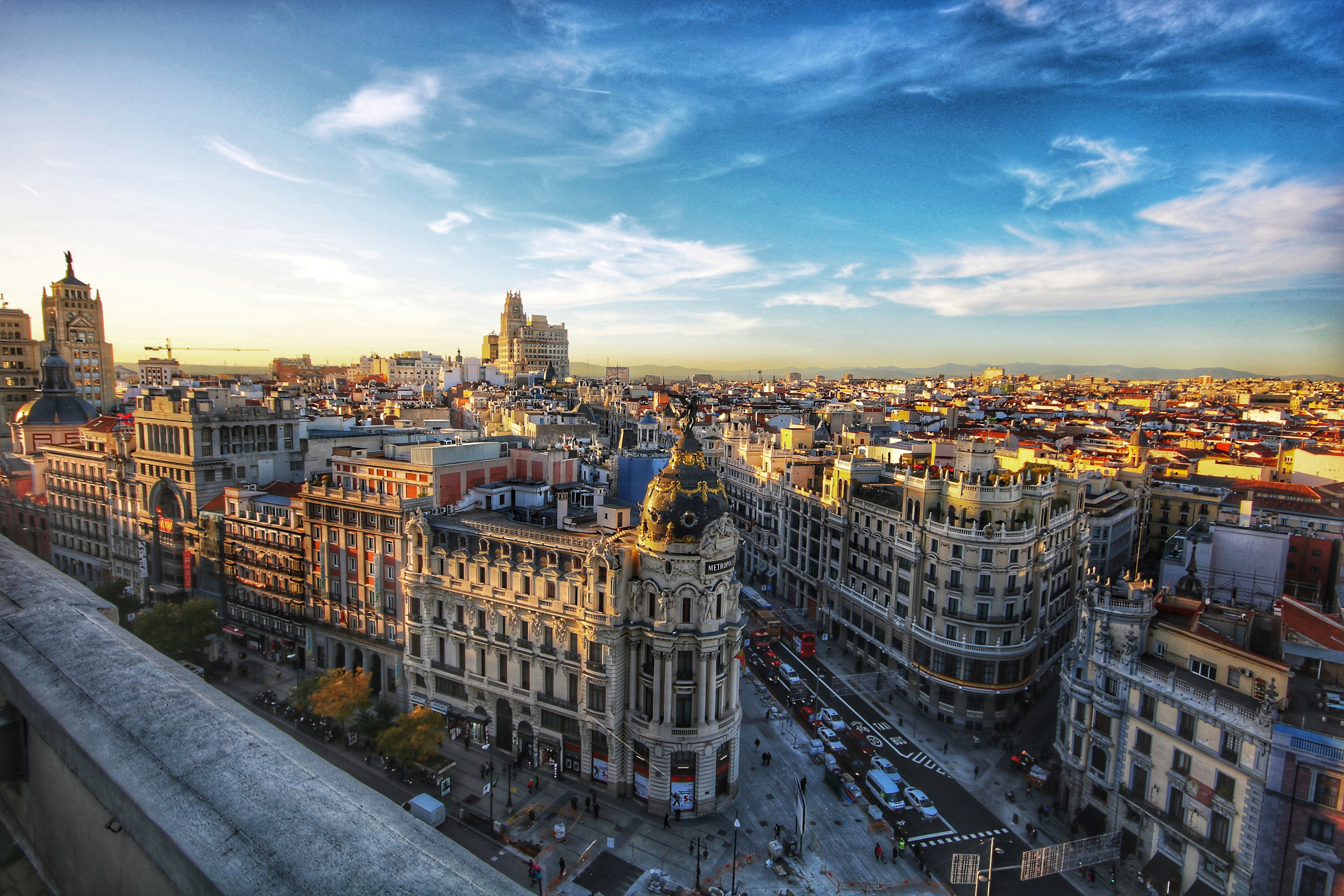
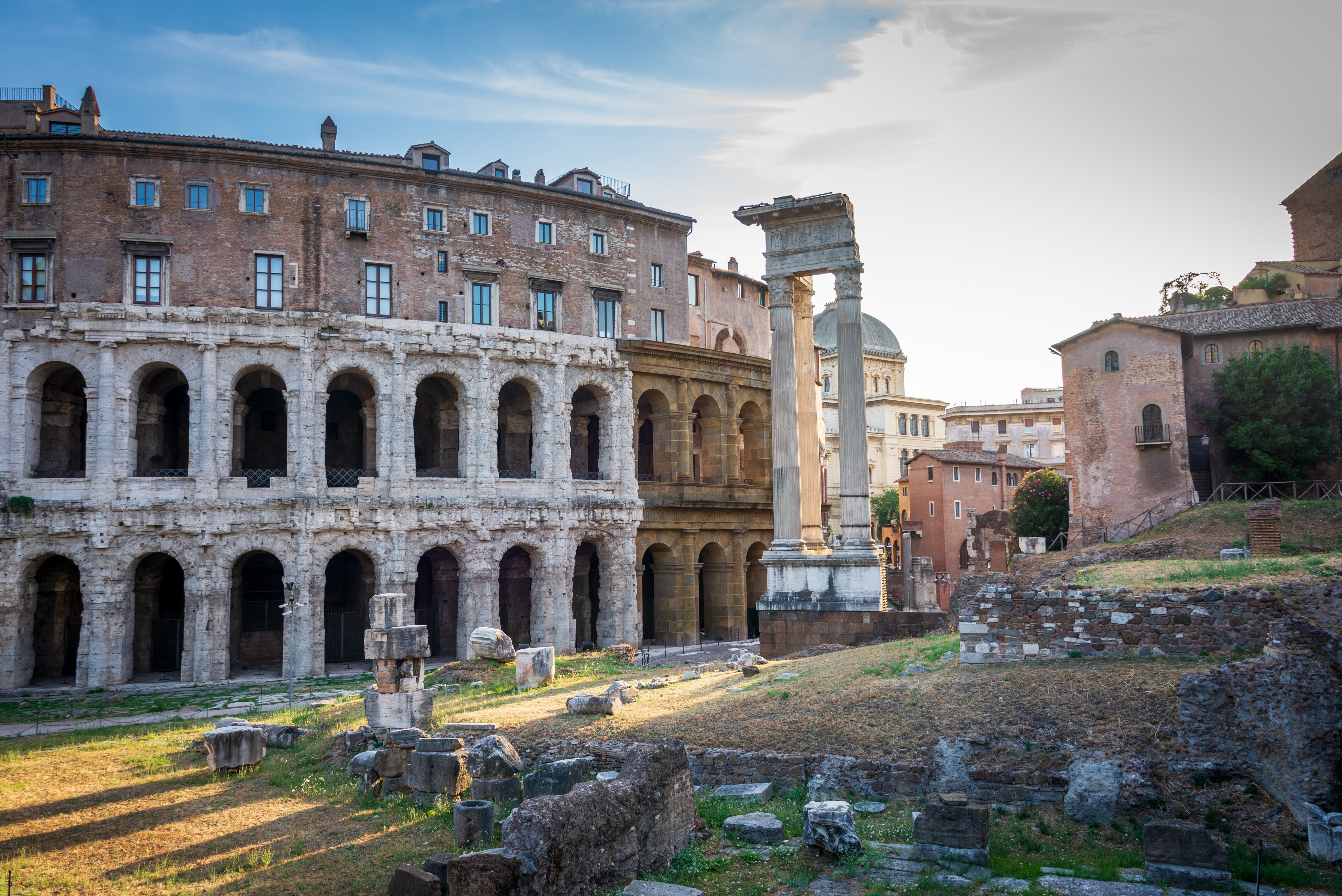
Where Ancient Ruins Meet World-Class Cuisine and the Art of La Dolce Vita
By The Next Stamp Travel Co. | Published May 2026
In This Guide:
- Why Rome?
- What This Itinerary Covers
- Day 1 in Rome, the Ancient City and Trastevere by Night
- Day 2 in Rome, Vatican Wonders, Trevi Fountain, and the Pantheon
- Day 3 in Rome, Villa Borghese Gardens and a Farewell Feast
- Why You Need the Full Rome Guide
- Final Thoughts on Rome
- Watch Before You Go: Rome Travel Video
Why Rome?
There is no city quite like Rome. Stand at the edge of the Colosseum just as the morning light hits the ancient stone and you begin to understand why they call it the Eternal City. Two thousand years of history pile up on themselves here in the most astonishing way , a medieval church built over a Roman temple, a Baroque fountain tucked into a narrow alley, a Caravaggio hanging inside a neighborhood chapel you almost walked past. Rome is overwhelming in the best possible sense.
You come for the icons , the Colosseum, the Vatican, the Trevi Fountain , and you stay for everything else. The espresso pulled at a marble counter by 8am. The carbonara that bears no resemblance to anything you’ve had before. The piazzas that feel like open-air living rooms, filled with vendors, lovers, and dogs in roughly equal measure. The cobblestone streets of Trastevere at dusk, glowing amber and impossibly romantic. Rome gives you the grand historical sweep and the everyday Italian joy, and it gives them to you at the same time.
Three days in Rome is not enough , it never will be , but three focused, well-planned days will leave you with a depth of experience that most visitors never find. This itinerary is designed for travelers who want to see the unmissable without the chaos: history lovers, food seekers, couples, first-timers, and anyone who suspects that la dolce vita might be more than a travel cliche. If that’s you, keep reading.
Rome at a Glance
Best time to visit: Spring (March. May) and Fall (September. November) for mild weather and fewer crowds.
Where to stay: Central Rome , the Monti or historic center districts for walkability to all major landmarks.
What to expect: Ancient ruins and world-class art side by side; long walks on cobblestones; incredible food on every corner; queues at major sites unless you pre-book.
Hidden gems: The Knights of Malta Keyhole on Aventine Hill, the layered underground world of Basilica di San Clemente, free nasoni drinking fountains throughout the city.
Local tip: The euro is the currency. Most churches require covered shoulders and knees. Pre-booking tickets to the Colosseum and Vatican is essential.
What This Itinerary Covers
This three-day Rome itinerary is built around the city’s three unmissable anchors: ancient Rome, Vatican City, and the living neighborhood culture that makes the Eternal City feel like a home rather than a museum. Day 1 takes you deep into the ancient heart of the city, from the Colosseum and Roman Forum to an afternoon wandering Trastevere, one of Rome’s most atmospheric and photogenic neighborhoods. Day 2 dedicates the morning to the Vatican , the Museums, the Sistine Chapel, and St. Peter’s Basilica , then pivots to the Spanish Steps, the Trevi Fountain, and the Pantheon in the afternoon. Day 3 is quieter and more local, beginning with Villa Borghese Gardens and ending with a farewell dinner at one of the finest restaurants in the world.
The pace is balanced: you’ll cover a lot of ground without ever feeling like you’re rushing. Each morning anchors you at a major site (pre-booked to skip the lines). Each afternoon is more exploratory, with room to linger in a café, duck into a church, or simply follow a street that looks interesting. Evenings are for the table , Rome’s food culture is extraordinary, and this guide makes sure you don’t waste a single meal.
Ready to skip the research and go straight to the trip? We built a complete, done-for-you Rome travel guide covering hotels, restaurants, tours, and all the logistics you need. Grab your copy here and start planning with confidence.
Day 1 in Rome, the Ancient City and Trastevere by Night
Morning
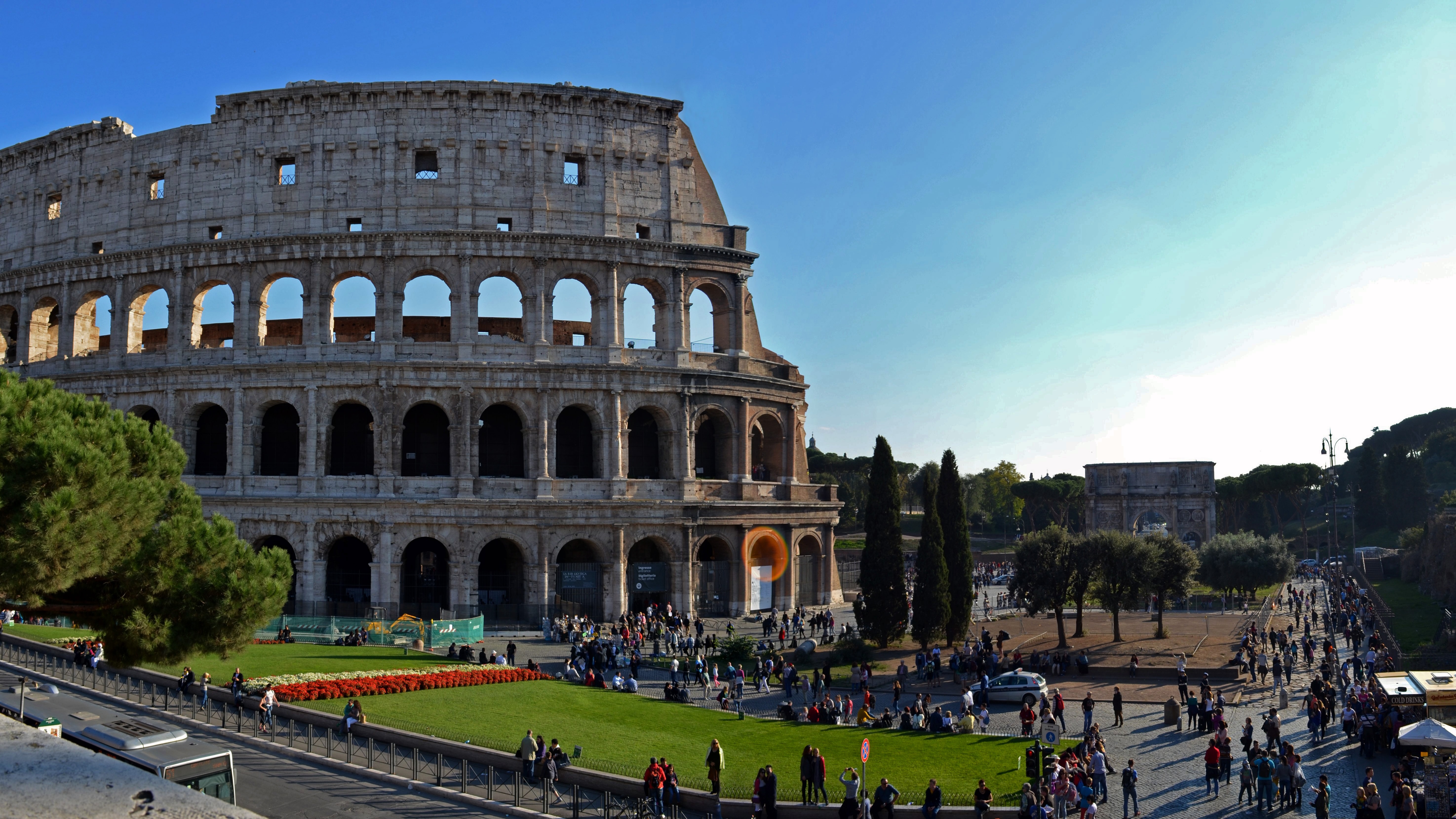
Check into your hotel first and get your bearings , the Nerva Boutique Hotel in the Monti district puts you steps from where history began. Then head straight to the Colosseum, but do not arrive without a pre-booked guided tour. The queue for walk-ins can consume two hours of your morning; with skip-the-line access, you walk straight in. Inside, a good guide transforms what looks like a collection of arches and rubble into something genuinely alive: the gladiator processions, the underground hypogeum where wild animals waited in darkness before being lifted into the arena, the roar of 80,000 spectators for whom this was the city’s greatest entertainment. If you can upgrade to an underground and arena floor tour, do it , walking the actual arena floor is an experience you will not forget.
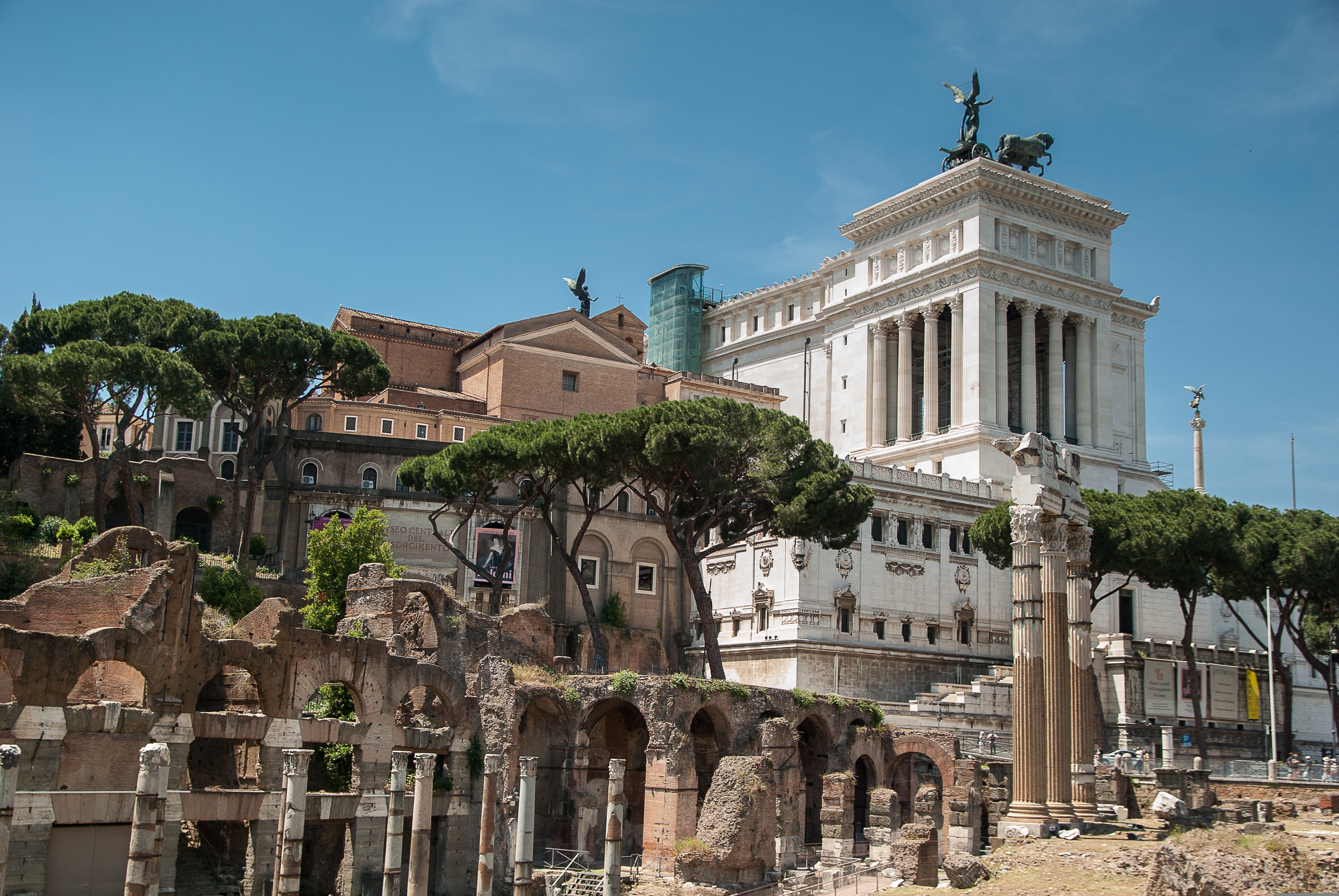
Exit the Colosseum and you step directly into the Roman Forum. The site is included with your Colosseum ticket, so take your time. Walk through the Arch of Titus, linger near the Temple of Saturn, try to imagine the Senate House with its political debates in full swing. This was the civic heart of the ancient world, and even in ruins it carries a quiet authority.
Afternoon
Cross the Tiber to Trastevere for lunch , and make it count. Trattoria Da Enzo al 29 on Via dei Vascellari is a family-run institution that still cooks carbonara the way it was meant to be made: guanciale, egg yolk, pecorino, black pepper, and nothing else. Order the cacio e pepe if you want another Roman classic. Then simply walk. Trastevere’s streets are a labyrinthine tangle of ivy-covered walls, flower boxes, and unexpected courtyards. Step inside Santa Maria in Trastevere , one of Rome’s oldest churches, with glittering 12th-century mosaics that glow in the afternoon light like something not quite of this world.
Walk along the Tiber to Castel Sant’Angelo, the cylindrical fortress that started life as Emperor Hadrian’s mausoleum in 139 AD and eventually became a papal refuge connected to the Vatican by a secret passageway. The rampart terrace offers some of the finest panoramic views in the city , the dome of St. Peter’s in the distance, the Tiber winding below, and all of Rome’s terracotta rooftops spreading out to every horizon.
Evening
Dinner at Tonnarello in Trastevere is a Rome institution: long communal tables, generous portions, and that irreplaceable atmosphere of an outdoor piazza alive with conversation and laughter. After dinner, make the walk to Piazza Navona. At night, Bernini’s Fountain of the Four Rivers is illuminated and the square fills with artists, gelato sellers, and couples on an evening stroll. The scale and beauty of it hits differently after dark. If you’re feeling adventurous, join a guided night tour or simply follow the gelato to wherever it takes you.
Day 1 is done. You’ve seen 2,000 years of history, eaten exceptionally well, and barely scratched the surface. Tomorrow, the Vatican awaits.
Day 2 in Rome, Vatican Wonders, Trevi Fountain, and the Pantheon
Morning
The Vatican Museums house over 70,000 works of art accumulated by the Catholic Church over centuries, and on a busy day they receive up to 25,000 visitors. Pre-booking skip-the-line tickets is not optional , it is essential. Arrive at opening time, walk through the Gallery of Maps (a 120-meter corridor covered in 16th-century painted maps of Italy that is jaw-dropping in its detail), then through the Raphael Rooms, and finally into the Sistine Chapel. The Last Judgment on the altar wall and the Creation of Adam on the ceiling are the ones you’ve seen in photographs, but standing beneath them in person, surrounded by every inch of fresco that Michelangelo spent four years lying on his back to paint, is something photographs genuinely cannot prepare you for.
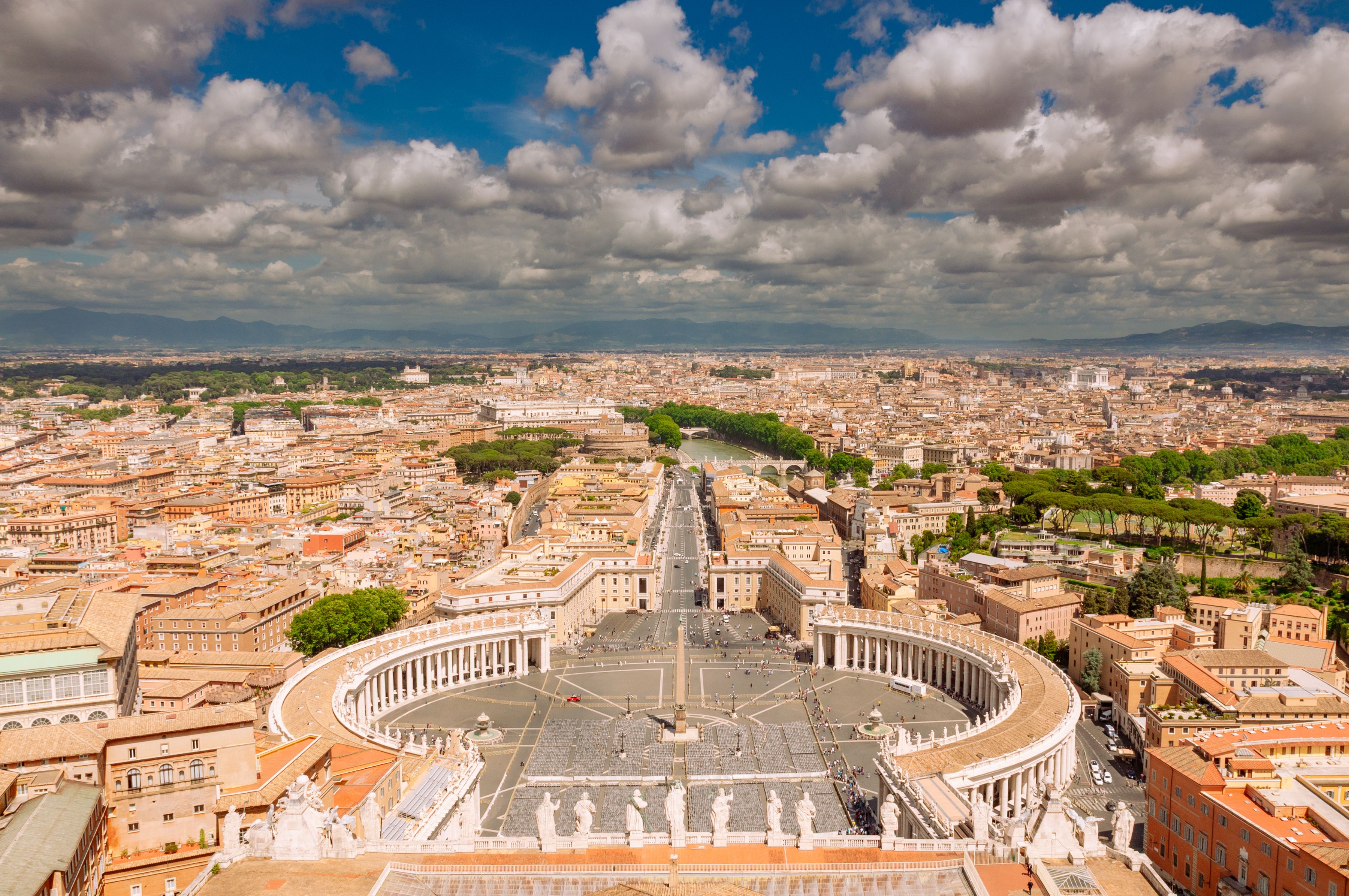
Exit the Vatican Museums directly into St. Peter’s Basilica and take the climb to the dome. The ascent winds through the walls of the building itself, and the view from the top , Rome spreading out in every direction, the oval of St. Peter’s Square below , is one of the great payoffs in travel. Down in the basilica, find Michelangelo’s Pietà in the first chapel on the right. One note: the dress code is strictly enforced. Covered shoulders and knees are required , bring a scarf or light layer.
Afternoon
Lunch at Retrobottega, near Piazza Navona, is one of the more interesting meals you will have in Rome. It’s a counter-dining concept where the chefs work in an open kitchen directly in front of you, producing dishes built entirely around what the market delivered that morning. It feels more like a dinner party than a restaurant, in the best way.
After lunch, head to the Spanish Steps. The 135 steps connecting Piazza di Spagna to the Trinita dei Monti church above are best enjoyed slowly , sit on the steps, watch the city, take in the view down the Via Condotti. Then walk to the Trevi Fountain. Toss your coin over your left shoulder with your right hand , legend says it guarantees your return to Rome, and at this point you will believe it.
Finish the afternoon at the Pantheon. The dome is 43.3 meters in diameter, exactly matching the interior height , a perfect sphere that the architects of ancient Rome managed to engineer without modern technology. The oculus at its center is open to the sky, and on a clear afternoon, a column of light moves slowly across the interior as the sun shifts. It is one of the most beautiful spaces humanity has ever built.
All the exact addresses, booking links, and insider notes for these spots are documented in the full Rome guide , worth having open on your phone for the whole trip.
Evening
Dinner at Armando al Pantheon is one of Rome’s most beloved reservations , a wood-paneled trattoria operating steps from the Pantheon since 1961. Book ahead, because it fills up. The Roman Jewish artichokes and the pasta e ceci are the kind of deeply comforting dishes that make you understand how Italians have survived two millennia with such visible satisfaction.
End the evening with a stroll through Campo de’ Fiori, where the flower market gives way to a lively bar scene after dark. Or find a rooftop for a cocktail , Hotel Raphael’s terrace overlooks the piazza and offers organic wines with a view of Rome’s terracotta rooftops lit up against the night sky.
Day 3 in Rome, Villa Borghese Gardens and a Farewell Feast
Morning
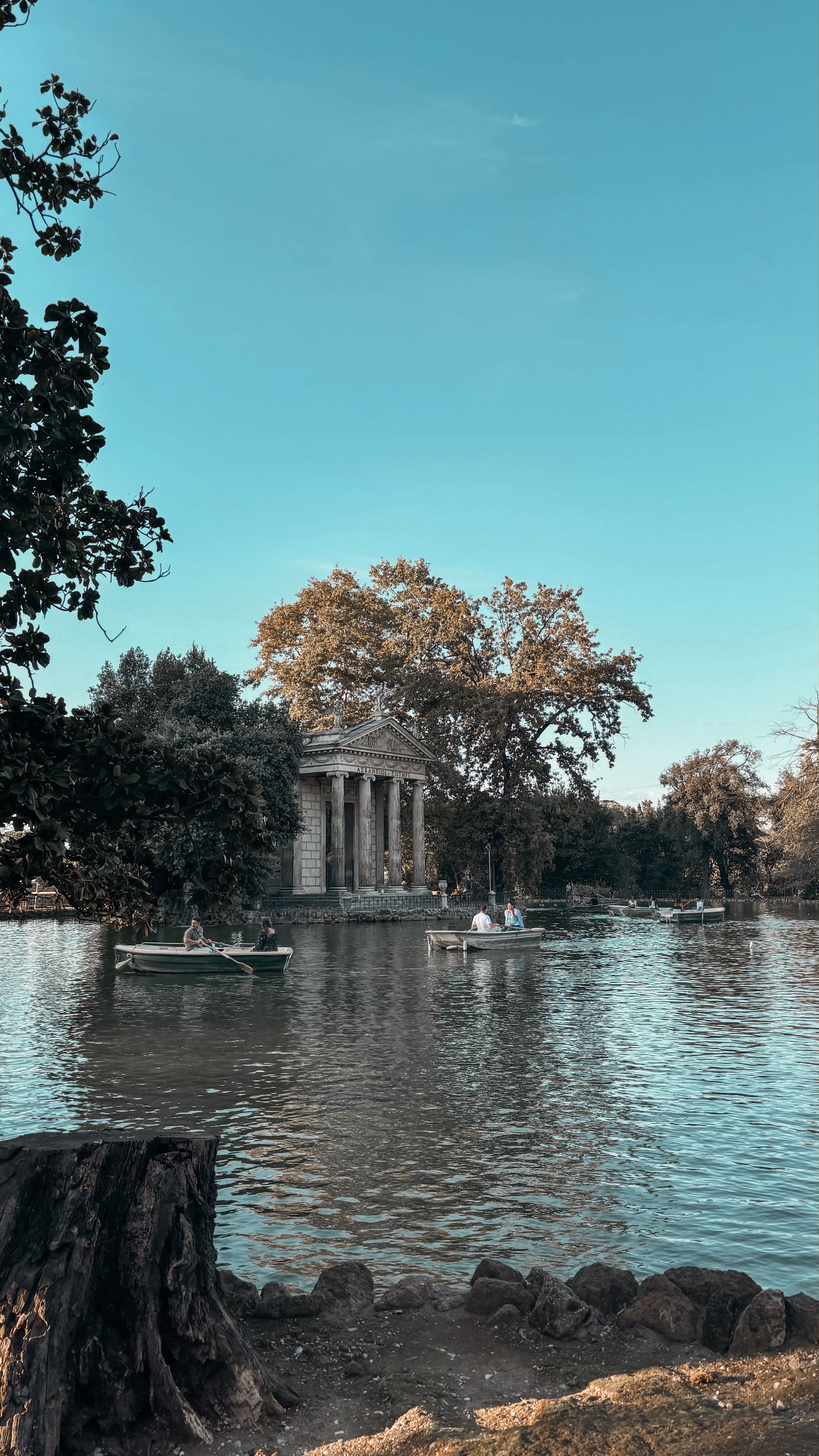
Day 3 starts at a different pace, and that is intentional. After two days of ancient wonders and packed sites, Villa Borghese Gardens offers something Rome does not often give you: space, air, and quiet. Rent a bike and ride through the park’s tree-lined paths, past small lakes and fountains and families having their weekend morning. It feels genuinely Roman in a way that the major tourist sites, for all their magnificence, cannot quite replicate.
If you pre-booked tickets to the Galleria Borghese , and you must pre-book, as visitor numbers are strictly capped , the gallery houses one of the greatest concentrated collections of sculpture in existence. Bernini’s Apollo and Daphne is here: a marble sculpture so alive, so technically improbable, that you will circle it several times trying to understand how someone made it with a chisel. Caravaggio’s David with the Head of Goliath hangs in the same room. You’ll emerge from the gallery slightly stunned.
Afternoon
Head to the Monti district for lunch , one of Rome’s most characterful neighborhoods, with vintage boutiques, artisan shops, and the kind of laid-back café culture that tourists have not yet fully discovered. Try Zia Rosetta for a creative Roman sandwich, or follow the smell of pizza to whichever corner looks most promising.
If you haven’t yet made the walk to the Capitoline Museums, this afternoon is the time. The view from the Capitoline Hill over the Roman Forum is one of the finest in the city, and the museums themselves , the oldest public museums in the world, opened in 1471 , house the original Marcus Aurelius equestrian statue, among many other treasures.
Before dinner, do not skip the hidden gem: Basilica di San Clemente. Tucked away near the Colosseum, this is a church built on top of a 4th-century church built on top of a 1st-century Roman house and Mithraic temple. You literally descend through layers of Rome’s history as you walk down the staircases. At the lowest level, you can hear an underground river running beneath your feet. Very few tourists make it here, which makes the experience all the more atmospheric.
Evening
Your final dinner in Rome is at La Pergola, the only three-Michelin-starred restaurant in the city, set atop Monte Mario at the Rome Cavalieri hotel with panoramic views of the whole city. Reserve well in advance , months ahead if possible. Chef Heinz Beck’s tasting menus are a masterclass in Mediterranean cuisine, and the wine cellar is one of the most impressive in Europe. This is the kind of meal that becomes a story you tell for years.
Toast your Roman holiday. Then take a moonlit walk to the Trevi Fountain one more time, or find a quiet rooftop bar and let the city spread out below you. You’ve done it right.
Why You Need the Full Rome Guide
This blog gives you the overview and the highlights , the arc of three days done well. But a great trip and a truly flawless trip are two different things, and the difference is almost always in the details.
The full Rome guide goes much further. It covers all eight hotel options in detail, from the Nerva Boutique Hotel near the Colosseum to the boutique luxury of Villa Spalletti Trivelli near the Trevi Fountain, with real booking links and honest descriptions of what makes each one right for different types of travelers. It includes all six restaurants with addresses, reservation guidance, and what to order. It tells you which Vatican tour operators offer underground access, which Colosseum time slots are the least crowded, and how to navigate the Galleria Borghese ticketing system without losing a morning to their scheduling rules.
There is a full packing list built for Rome’s specific conditions: the cobblestones that will destroy the wrong shoes, the dress codes enforced at nearly every church, the November weather patterns that catch visitors off guard. There is an attire guide. A transit guide. Insider tips covering everything from the free nasoni drinking fountains to the best time to visit the Pantheon for that column of light through the oculus. There is a section on the Knights of Malta Keyhole on Aventine Hill , one of Rome’s most extraordinary hidden secrets , and detailed guidance on how to spend a free museum Sunday if your trip lines up with the first of the month.
You’ve chosen Rome well. Let the guide handle everything else.
Your Rome adventure is waiting.
The complete guide has everything mapped out: hotels, restaurants, tours, logistics, and insider tips built from real travel experience. Stop researching and start packing. Get the full guide here
Final Thoughts on Rome
Three days in Rome will not be enough. That is not a caveat or a disclaimer , it is practically the whole point. Rome is a city that rewards return visits, that gets richer every time you come back with a little more knowledge, a few more neighborhoods mapped in memory, a trattoria that feels like yours now. The Eternal City earns that name because it somehow stays current across every era, because it meets you where you are and gives you exactly what you came looking for, whether that is history, food, art, romance, or simply the feeling of being somewhere that the world agrees is extraordinary.
Is three days worth it? Absolutely. You will see the Colosseum lit up in the morning light. You will stand in the Sistine Chapel and understand what all the fuss is about. You will eat carbonara so good it will ruin carbonara everywhere else. You will toss a coin into the Trevi Fountain and mean it. Three days in Rome will leave you with the best kind of problem: a list of reasons to come back.
Planning your trip? Drop a question in the comments below , we love helping people get Rome right. And if you’re ready to stop researching and start packing:
Get the complete Rome travel guide here and start counting down the days.
Watch Before You Go: Rome Travel Video
Want a feel for Rome before you arrive? Watch our full travel video below for a look at the highlights, neighborhoods, and experiences covered in this guide.
More destination guides
If Rome is one stop on a longer trip, these are built the same way:
- How To Spend 5 Days in Mexico City
- Your Complete 4-Day Montreal Itinerary
- How To Spend 7 Days in Jordan
If you would rather not spend three days planning it yourself, I build custom travel itineraries, and the guide library has ready-made plans for other cities. The free travel budget planner is worth a look before you book.